Australia is putting money behind missile manufacturing capacity at home
Australia has selected Northrop Grumman to help establish a domestic solid rocket motor manufacturing base, marking a significant step in its effort to strengthen sovereign defense production. According to Breaking Defense and an Australian Department of Defence release cited in the report, the initiative begins with an initial investment of AU$126.9 million, or about $91.6 million.
The program is designed to do more than add another supplier relationship. Its stated purpose is to create onshore industrial capability, integrate Australian suppliers into the production line, and give the country more reliable access to propulsion technology that underpins guided munitions.
First milestone: GMLRS motor production by 2030
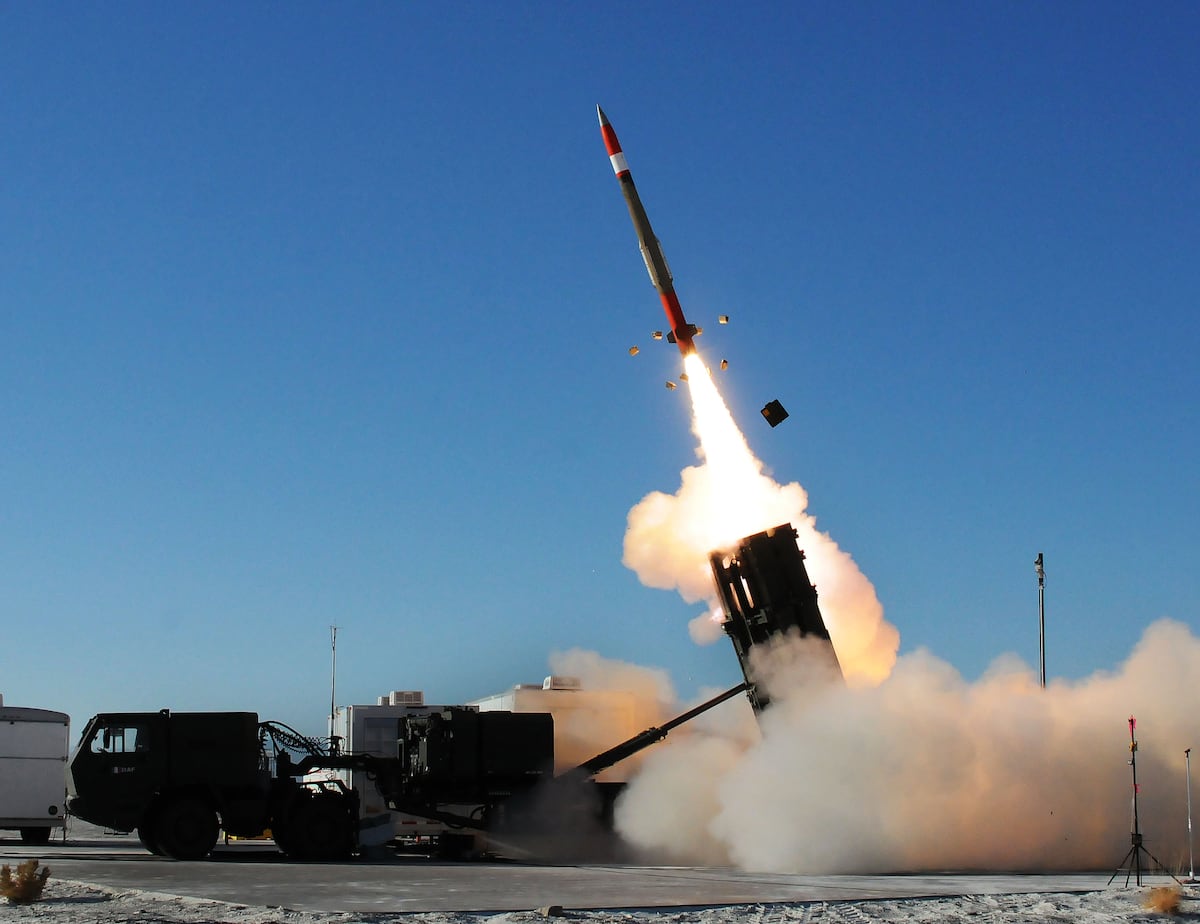
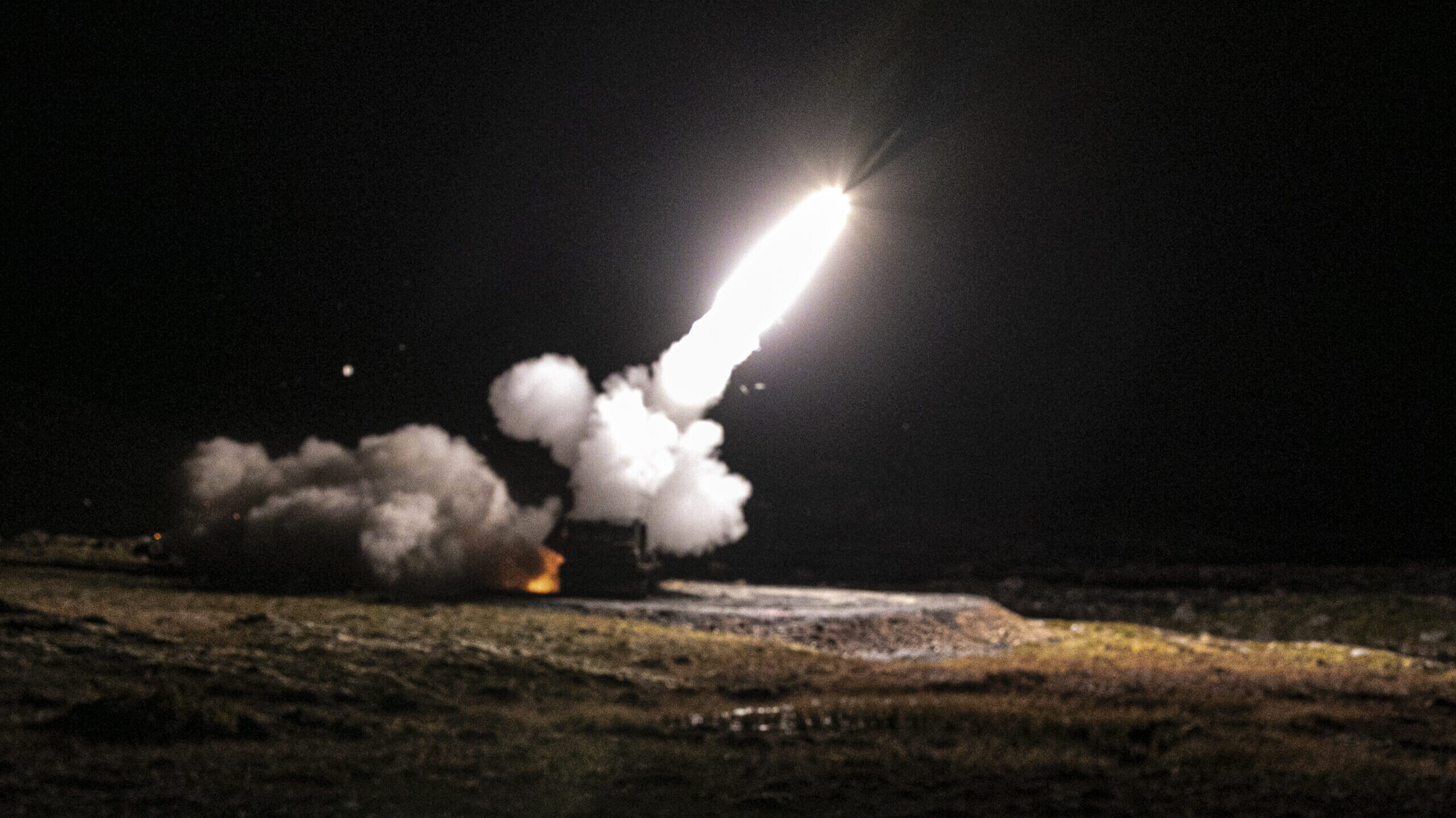
The near-term plan is to use recently upgraded facilities at the state-owned Mulwala munitions factory in New South Wales to accelerate local production. The report says Australia aims to begin with solid rocket motors for the Guided Multiple Launch Rocket System, or GMLRS, by 2030.
That timeline matters because solid rocket motors have become a constrained part of the global defense supply chain. Australia’s move suggests that supply security is now being treated as a strategic requirement, not simply a procurement concern. If propulsion components remain a bottleneck internationally, a local manufacturing base would give Canberra more control over availability, production tempo, and long-range planning.

A larger manufacturing complex is planned for 2033
The Mulwala work is only the first phase. Australia also plans a dedicated Rocket Motor Manufacturing Complex that is expected to be operational by 2033. Once active, that complex is intended to support high-rate production of multiple types of solid rocket motors.
The scale-up from an initial GMLRS focus to a broader manufacturing complex shows that the government is thinking in terms of industrial architecture rather than a one-off program. That is important for a country trying to build resilience into a defense base that has historically depended heavily on foreign suppliers for advanced munitions inputs.
Northrop’s role and the local industry angle
Northrop Grumman said it will begin engaging local industry to “explore, discuss and clarify” the requirements and processes tied to Australian solid rocket motor production. A central element of the program is supplier integration. In other words, this is not being framed as a simple import of foreign manufacturing know-how into an isolated facility. It is being framed as the construction of a domestic ecosystem.
The Australian Department of Defence said the initiative should strengthen defense supply chains and create opportunities for small and medium enterprises to enter the global market. That language points to one of the most important strategic goals in defense industrial policy today: using national security demand to build exportable, long-lived manufacturing capability at home.
More companies are being brought into the effort
Australia also said it would work with DefendTex, Black Sky Industries, and Anduril Australia to explore novel manufacturing methods. The government’s stated aim is to build local capability quickly by partnering with proven international rocket motor manufacturers while potentially expanding opportunities to other Australian providers after a domestic manufacturing base is established.
That combination of a prime contractor, state-backed investment, and a wider field of local companies suggests Australia is trying to avoid overconcentration. Instead of relying on a single narrow production path, it appears to be building optionality into the industrial base from the start.
Why this matters strategically
For Australia, the logic is straightforward. Guided munitions are only as available as their component supply chains. In a period of growing regional military competition and repeated concerns about production capacity among allies, domestic manufacturing can serve as both insurance and leverage. It can reduce vulnerability to external shocks, shorten some supply lines, and improve confidence that military planning can be backed by actual industrial output.
Defense Industry Minister Pat Conroy said the investment would help ensure the Australian Defence Force has reliable and resilient access to needed capabilities. That statement aligns with a broader trend among U.S. allies and partners: treating munitions production, not just weapons acquisition, as a core part of deterrence.

A test case for sovereign industrial policy
Australia’s rocket motor push is still in the buildout phase, and key milestones remain years away. But the policy direction is clear. Canberra is trying to turn a known supply-chain vulnerability into a domestic manufacturing program with strategic, economic, and alliance value.
If the effort stays on schedule, Australia will move from dependence on imported propulsion inputs toward a more sovereign position in one of the defense sector’s most sensitive manufacturing areas. That would not only affect national readiness. It could also reshape how Australia participates in allied munitions supply chains in the decade ahead.
This article is based on reporting by Breaking Defense. Read the original article.
Originally published on breakingdefense.com