Army revives a long-running artillery replacement effort
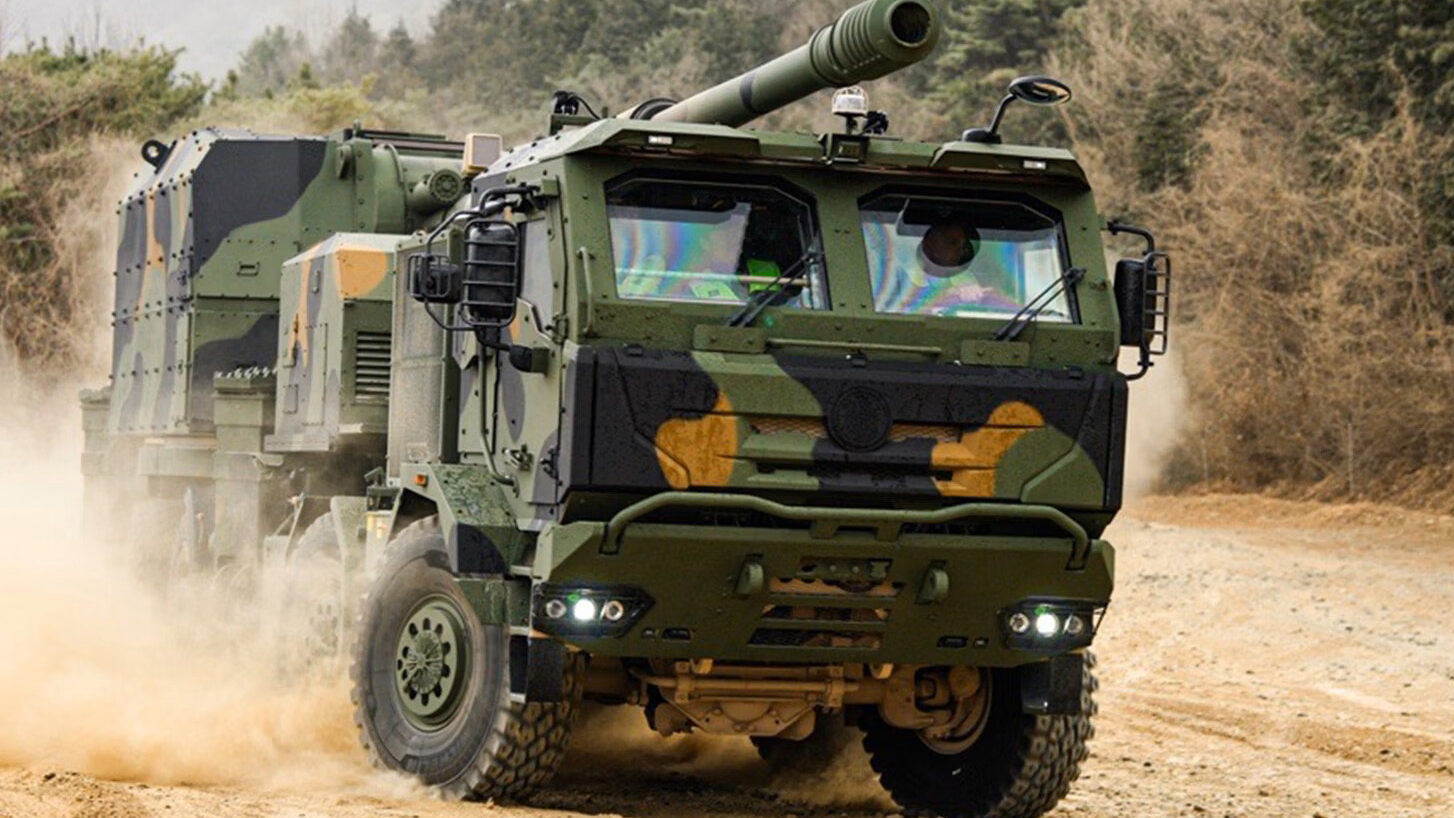
The U.S. Army has selected Hanwha Defense USA to provide prototype self-propelled howitzers for its Mobile Tactical Cannon program, marking a fresh step in a modernization effort that has repeatedly stalled over the past two decades. Under the agreement, Hanwha is to deliver six prototype systems, with an option for 12 more, giving the Army a new platform to test as it looks for a replacement path for older artillery fleets.
The service said soldiers will use the prototypes in operational experiments designed to measure performance, reliability and supportability under realistic combat conditions. Those trials are intended to generate the evidence senior leaders need before deciding whether and how to field a new system more broadly.
The potential value of the award could reach $233 million, according to the Army announcement cited in the source material. While that does not amount to a production decision, it does show the Army is willing to invest real money in moving the program beyond concept discussions and into hardware evaluation.
Why the choice matters
Hanwha’s offering is based on the wheeled K9 platform. The K9 family is already well known internationally, and Hanwha Aerospace has expanded its global footprint in recent years through deals with countries including Finland, Romania, Norway and Poland. That overseas track record does not guarantee a U.S. win beyond the prototype stage, but it gives the Army a system with a visible operating history rather than a purely paper design.
The Army’s interest comes at a time when mobile fires have become a sharper priority. Artillery remains central to land warfare, but the service’s legacy systems present a difficult mix of age, mobility limits and modernization constraints. The Mobile Tactical Cannon effort is meant to address that by identifying a more agile self-propelled platform capable of replacing both towed and tracked systems now in service.
In practical terms, the Army is seeking a successor to the towed M777 and the self-propelled M109A7. The M109 family dates back decades, and while it has been repeatedly updated, its original roots stretch to the 1960s. The M777, meanwhile, offers a different set of tradeoffs centered on towed mobility rather than self-propelled speed and integration.

Operational experiments come before any fielding decision
The Army was explicit that the prototypes will be used first for soldier-led experimentation rather than immediate procurement. That distinction matters. The service wants data on how the systems perform, how easy they are to maintain and how well they can be supported in the field. Those factors often determine whether a weapon can move from a promising demonstration into a durable acquisition program.
By structuring the effort around prototypes and experiments, the Army is also trying to avoid committing too early to a platform before it has enough evidence. That is a notable lesson from prior modernization attempts, many of which consumed years of work and substantial funding before collapsing under technical risk, changing priorities or both.
The Army said the information gathered from those experiments will directly shape decisions by senior leaders. In other words, this award starts a competition phase that is supposed to be grounded in operational feedback, not just contractor claims.
A crowded competition narrowed to one prototype provider
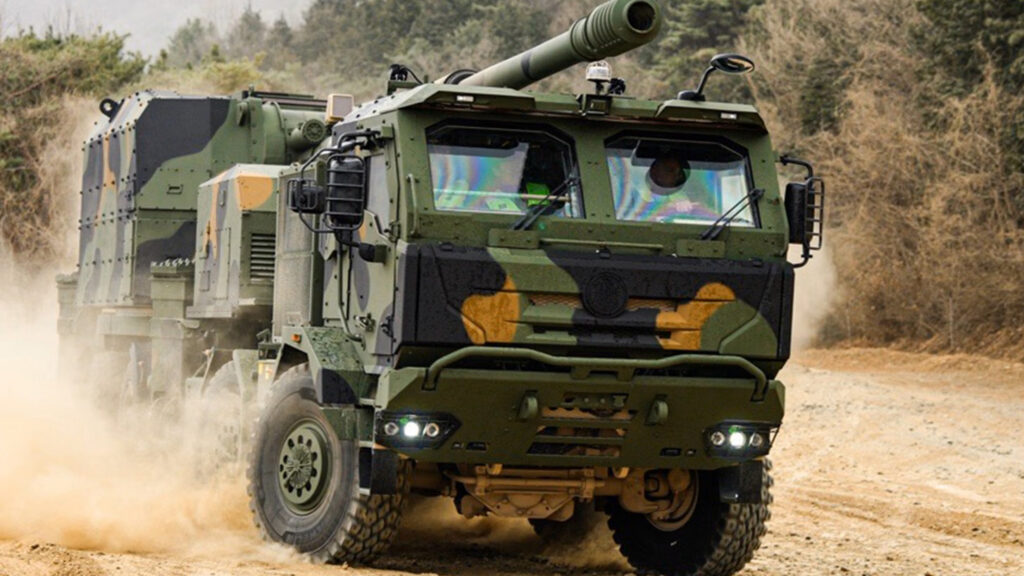
Hanwha did not win by default. The competition included several other teams and systems. Elbit America, working with Anduril and Oshkosh Defense, offered the SIGMA platform. Leonardo DRS and KNDS fielded a Caesar variant. Rheinmetall offered its Remote Controlled Howitzer 155 mm, and BAE Systems proposed Archer through its U.S. subsidiary.
That lineup underscores how consequential the program is. A future Army artillery replacement is the sort of opportunity that draws a broad field of major defense firms with established international systems. The fact that Hanwha emerged from that field for the prototype award is significant both for the company and for the broader U.S. artillery market.
Hanwha Defense USA is also standing up a howitzer production facility in Opelika, Alabama, intended to serve as an integration and test site. That local industrial footprint could become more important if the program advances beyond experiments and into larger procurement decisions.
The shadow of earlier failures
No Army artillery modernization story is complete without the history that hangs over it. The service has spent years trying to replace or leap ahead of its existing self-propelled howitzers, only to see one effort after another falter. The XM2001 Crusader was canceled in 2002. The Non-Line-of-Sight Cannon was later scrapped as part of the broader collapse of the Future Combat Systems effort.
More recently, the Army pursued the Extended Range Cannon Artillery program, or ERCA, through internal development. That project centered on a modified Paladin M109A7 with a much longer gun tube intended to push 155 mm rounds to roughly 70 kilometers. But in 2024 the Army halted work after technical problems emerged during live-fire testing, including excessive wear on the cannon.
That history explains why the new program is being watched so closely. It is not just another procurement notice. It is the latest attempt to solve a requirement that the Army has struggled to close for decades. Any progress will be judged against a backdrop of previous ambitions that never made it into service.
What this means next
The selection of Hanwha’s wheeled K9 for prototype work does not settle the Army’s artillery future, but it does give the service a concrete path forward after years of setbacks. The next phase will depend on whether the systems perform well in realistic soldier experiments and whether they demonstrate the reliability and supportability that past efforts failed to deliver.
If the prototypes succeed, the program could shape not only the Army’s future cannon force but also the U.S. industrial base that supports it. If they fall short, the service may once again find itself searching for an answer to a requirement it has been trying to fix since the early 2000s.
For now, the clearest takeaway is that the Army has moved from aspiration to hardware. After decades of false starts, that alone is a notable development.
This article is based on reporting by Breaking Defense. Read the original article.

Originally published on breakingdefense.com