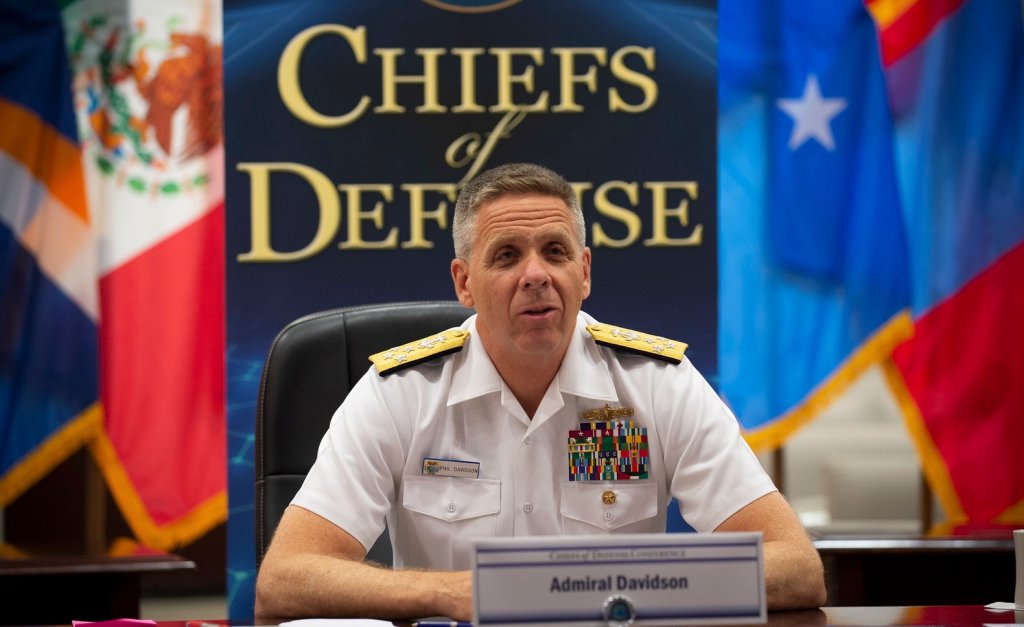
Former U.S. Indo-Pacific Command chief Philip Davidson says the period commonly known as the “Davidson Window” is approaching with important uncertainties still unresolved. In a podcast released Nov. 13, Davidson revisited the assessment that helped focus attention on 2027 as a year by which China could be prepared to mount a credible invasion of Taiwan.
Davidson told the U.S. Senate Armed Services Committee in March 2021 that he worried China was accelerating its ambitions to displace the United States in the international order. Taiwan, he said at the time, was clearly among Beijing’s ambitions, and the threat could become manifest during the decade, “in fact, in the next six years.” That six-year horizon became shorthand for the 2027 benchmark.
The date now matters because 2027 is no longer a distant planning reference. It is a near-term point against which political leaders, military planners and defense industries are evaluating readiness, deterrence and the consequences of delay.
A benchmark, not a prediction
Davidson’s original assessment did not declare that an invasion would occur in 2027. It identified a period in which China could have the capacity to undertake one. That distinction remains central to understanding the debate. Military capability, political intent, economic conditions and the response of potential opponents all affect whether a state chooses to use force.
On the recent podcast, Davidson said several developments since his retirement in 2021 could alter the projection. The supplied account does not specify those developments, but it makes clear that he continues to see reasons for concern despite the possibility that the underlying timeline has changed.
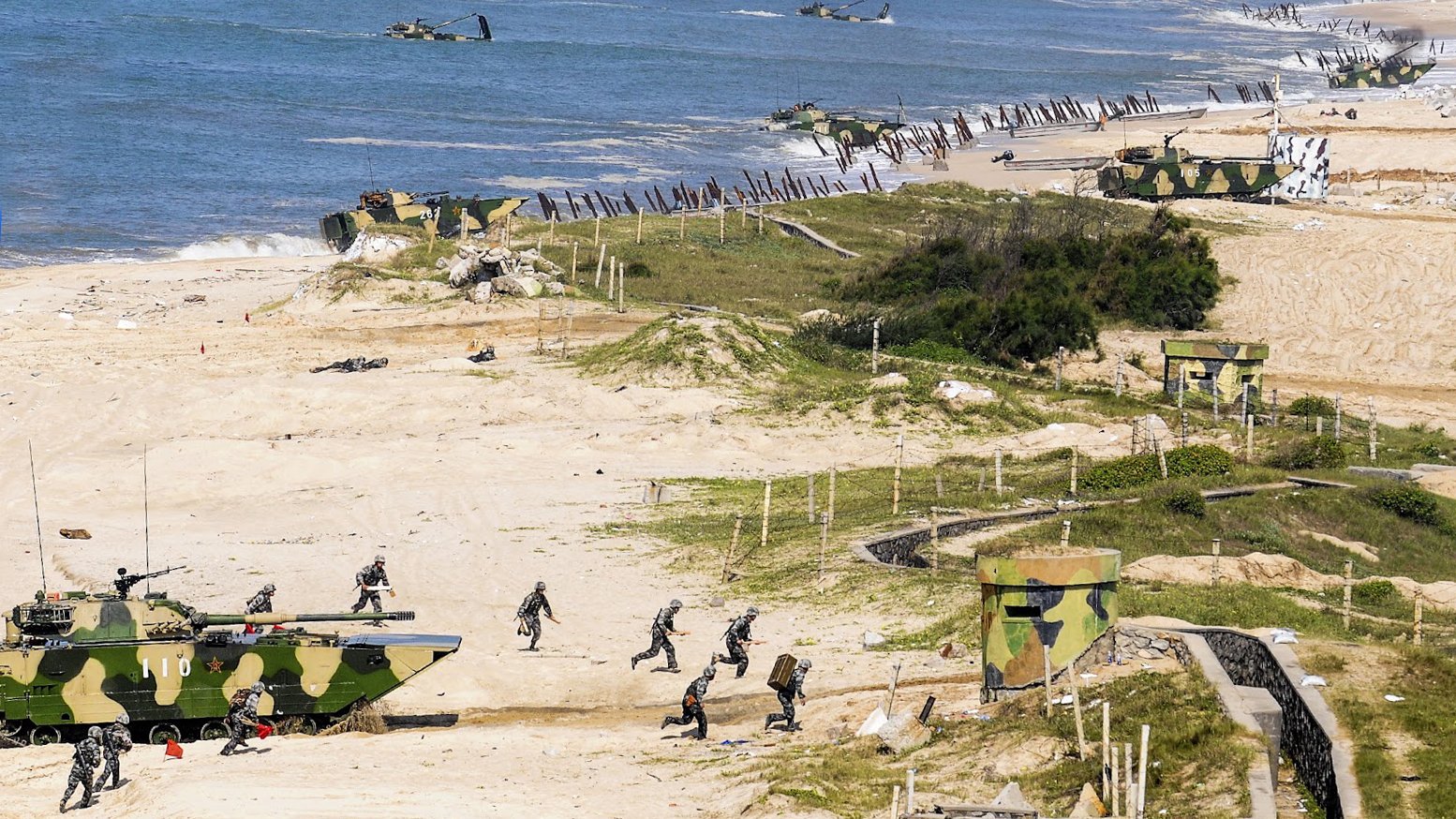
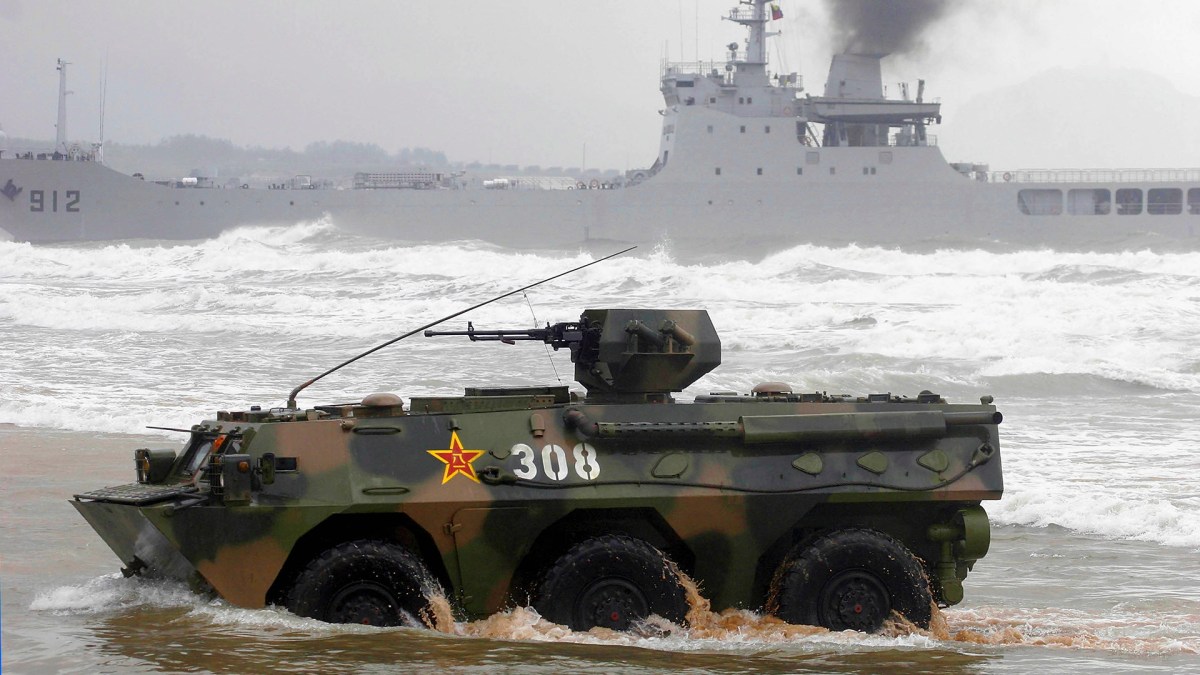
China has continued to increase military exercises around Taiwan, according to the report. Beijing considers Taiwan a breakaway province that it intends to bring under its control. Those exercises are therefore relevant not simply as demonstrations of force, but as part of a sustained security environment in which Taiwan and outside powers must assess Chinese military activity and preparedness.
Why military assistance is central
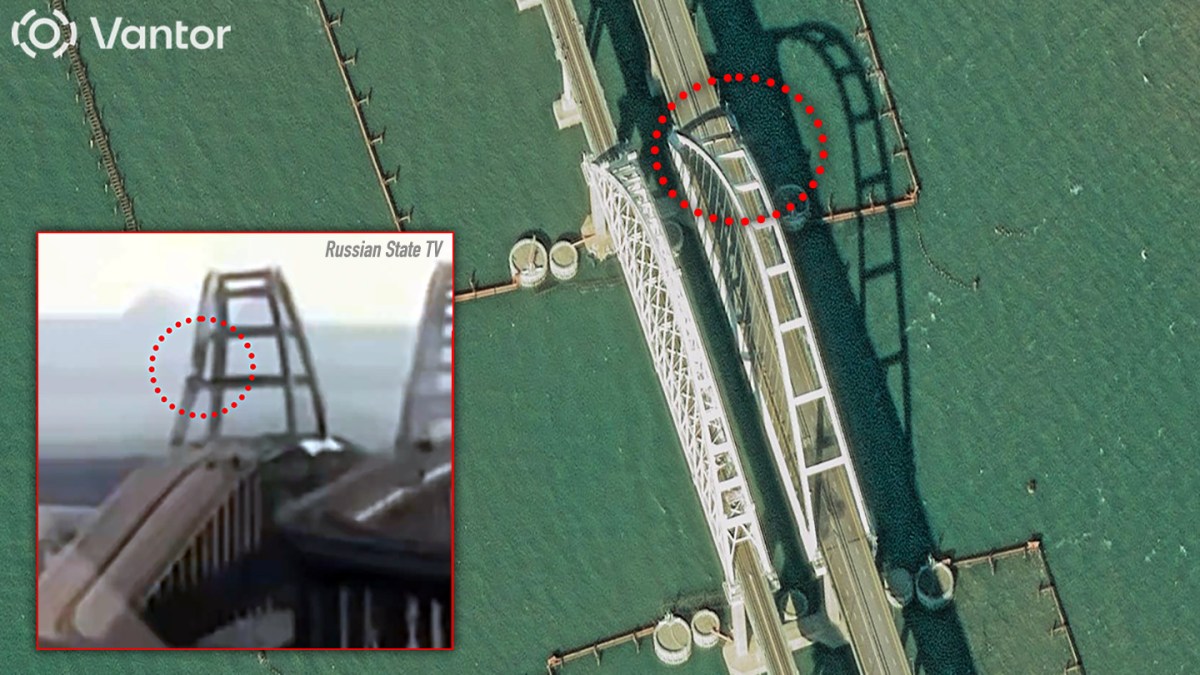
Davidson’s most direct policy argument was that the United States should deliver military assistance to Taiwan before a conflict begins. His point is fundamentally about deterrence: capabilities that are available before a crisis can affect an adversary’s calculations, while assistance that arrives after an invasion has started may be less able to prevent the initial action.
The argument puts emphasis on timing. Deterrence depends on what a potential attacker believes it can accomplish, how quickly it can accomplish it and what costs it expects to face. If Taiwan has received and integrated assistance before a crisis, that support can contribute to its ability to resist coercion or an attack. If crucial aid remains undelivered, its deterrent value is necessarily delayed as well.
Davidson’s comments also underline the difference between public attention and practical readiness. A widely discussed deadline can concentrate political focus, but it cannot by itself move equipment, train personnel or change a military balance. The former commander’s call is for action ahead of the point of maximum pressure, not a response after the fact.
An enduring source of concern
The Central Intelligence Agency publicly echoed the significance of 2027 two years after Davidson’s Senate testimony. As described in the report, then-CIA Director William Burns said that Chinese leader Xi Jinping had instructed the People’s Liberation Army to be ready by 2027 to invade Taiwan. Readiness, again, is not identical to a decision to invade. But it gives the date continuing importance in assessments of regional risk.
Davidson’s updated remarks add nuance rather than removing that concern. He acknowledged that events after 2021 may change the projection, while warning that the United States should not treat uncertainty as a reason for inaction. The result is a familiar but consequential policy challenge: policymakers must prepare for a dangerous possibility without presenting preparedness as proof that conflict is inevitable.
For Taiwan, the United States and regional partners, the practical question is not whether a single year can explain the future of the Taiwan Strait. It is whether deterrence is credible throughout the period in which China’s capabilities and ambitions are being tested. Davidson’s answer is clear on one point: help that matters most for deterrence should arrive before an invasion, not after it.
What the approaching date means
As 2027 draws nearer, the “Davidson Window” is likely to remain a prominent reference in debates over Taiwan. It captures a warning about military capability, but it also frames a broader test of policy execution. The value of the warning lies less in treating it as a calendar prediction than in using it to assess whether defensive support, planning and deterrence measures are keeping pace with the risks Davidson identified.
Davidson said he hopes he was wrong about China’s ability to take Taiwan by 2027. His latest comments suggest that hope is paired with a continued insistence on preparation. In that sense, the approaching milestone is not an endpoint. It is a measure of whether the choices made before it have reduced the chance that the worst-case scenario is ever tested.
This article is based on reporting by twz.com. Read the original article.
Originally published on twz.com