High-speed aircraft startup Hermeus and defense contractor Northrop Grumman have announced a partnership focused on developing operational uncrewed aircraft for the U.S. military capable of high-supersonic, and potentially hypersonic, flight.
The companies say Northrop Grumman will integrate electronic warfare systems, sensors, autonomy packages and other mission capabilities into next-generation Hermeus drones. The announcement joins a young company known for rapid flight-test iterations with a major defense prime that has experience delivering military systems.
From demonstrator to mission aircraft
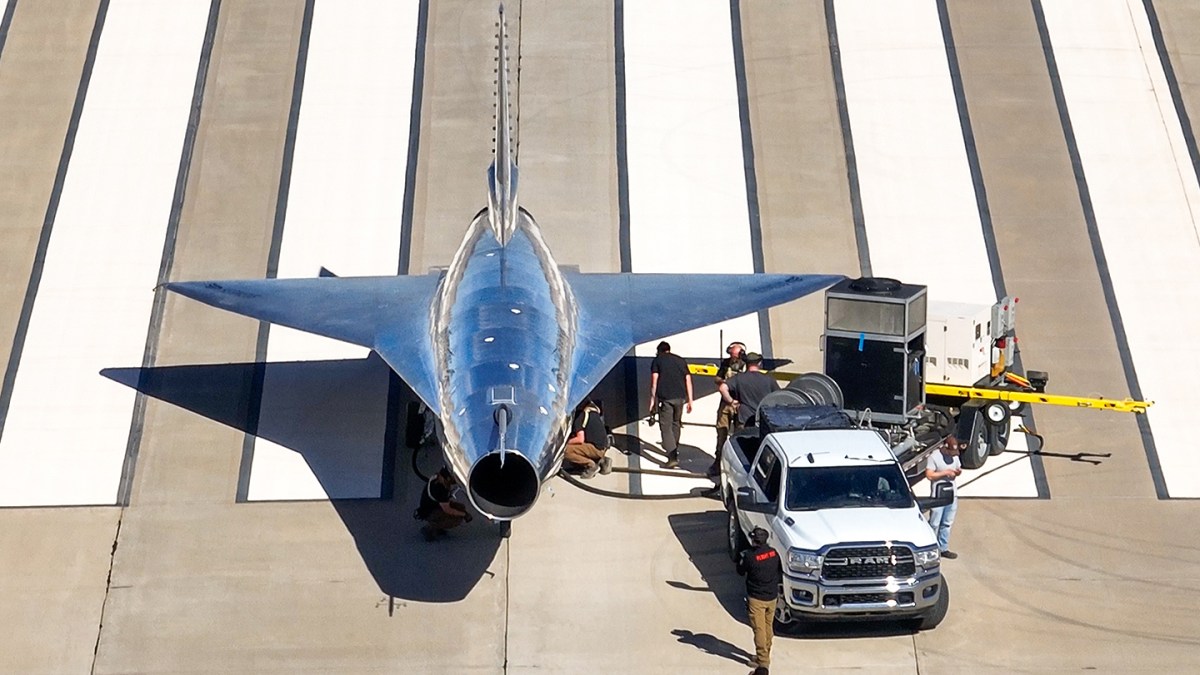
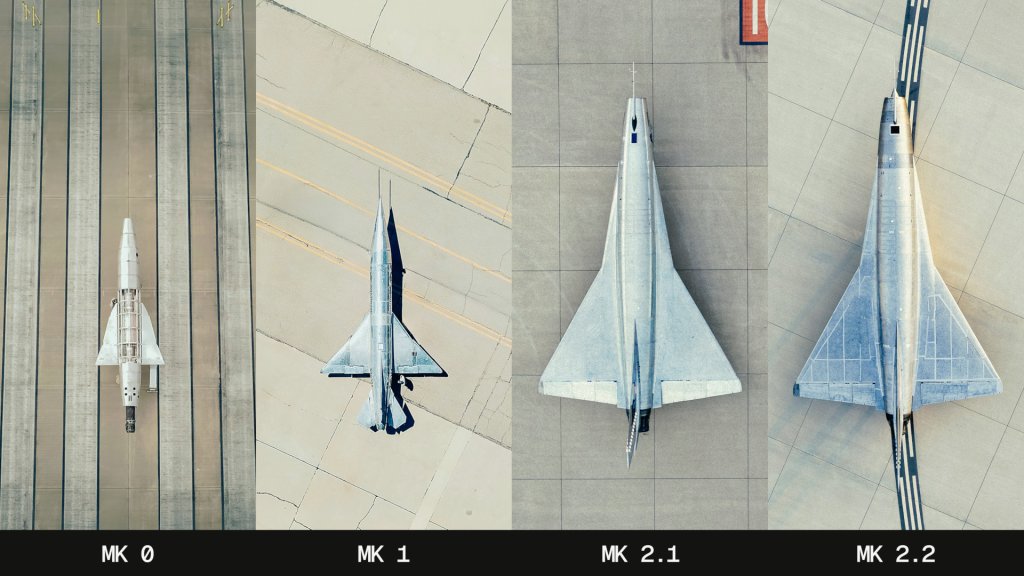
Hermeus, founded in 2018, has been developing a series of uncrewed, jet-powered Quarterhorse demonstrators. Its delta-winged Quarterhorse Mk 2.1 broke the sound barrier during a test flight in May, according to the company’s reported program history. Hermeus is now working on the Quarterhorse Mk 2.2 and hopes to take that vehicle beyond Mach 2.
The company’s stated longer-term objective is a vehicle capable of hypersonic flight, conventionally understood as Mach 5 or faster. The newly announced collaboration, however, is framed around operational uncrewed aircraft rather than a single declared aircraft specification. Neither company detailed a production timetable, a named military customer, a contract value or the precise performance targets of a future system.
That leaves the partnership at an early but consequential point: Hermeus has demonstrated increasingly capable test aircraft, while Northrop Grumman is set to bring mission systems that a military platform would need to perform a useful role beyond flight experimentation.
Mission systems are the hard part
Speed alone does not create an operational drone. A military aircraft also needs to sense its environment, communicate, navigate, make or support decisions, survive in contested conditions and deliver a mission payload. The partners say their work will cover electronic warfare systems, sensors, autonomy and other capabilities.
Electronic warfare integration is particularly significant for a high-speed uncrewed platform. Such systems can involve detecting, analyzing or responding to an electromagnetic environment in which radars, communications and jammers may all affect an aircraft’s mission. The companies did not specify the systems being considered or disclose how they would be tested.
Autonomy is another key area. A vehicle operating at very high speeds may face compressed decision times and long distances over short periods. The announcement does not claim that a future aircraft will operate independently of people in every circumstance. It does indicate that autonomy packages are among the capabilities Northrop Grumman expects to integrate.
Quarterhorse’s test-driven path
Hermeus has emphasized flight testing as the route to higher-speed capability. Quarterhorse Mk 2.1’s supersonic flight marked a threshold for the program, and the proposed Mk 2.2 is intended to advance that work. The company has also previously shown a rendering for a larger planned mission-plane prototype described as capable of high-Mach flight.
That concept includes six underwing pylons and a centerline pylon in the company’s rendering, suggesting an interest in carrying external stores. The source material also reports that Quarterhorse Mk 2.1 has demonstrated high-speed stores separation.
In September, Hermeus unveiled Ramjet-X, a smaller ramjet-powered platform designed to be air-launched from Quarterhorse drones. The company has presented it as a tool for supporting high-speed flight testing, though the source reporting notes that a platform of that kind could potentially be adapted for operational missions. No such operational role was announced as part of the Northrop Grumman partnership.

A push for reusable high-speed systems
The collaboration comes as the U.S. military continues to seek ways to develop, test and field advanced aircraft more quickly. Hermeus has pursued a series of demonstrators rather than waiting for a final operational design before flying hardware. That approach can generate real-world data early, but turning a prototype into a deployable system still requires substantial work on reliability, mission integration, sustainment and military certification.
Northrop Grumman’s role may help close some of that gap. The company’s contribution is not presented as a generic investment or marketing arrangement; the partners specifically identify the integration of mission equipment onto next-generation Hermeus drones. In practical terms, the focus is on converting a fast airframe into an aircraft that can participate in military operations.
There are still major unknowns. The announcement does not identify whether the eventual vehicle would be runway-launched, air-launched or both; what range, payload or endurance it might have; or whether the program is tied to a particular service requirement. It also does not say when a fully integrated flight test might occur.
What the announcement signals
The immediate news is a division of strengths. Hermeus brings an active high-speed drone flight-test program, including a demonstrator that has exceeded the speed of sound. Northrop Grumman brings a pathway to install the sensors, electronic-warfare equipment and autonomous functions expected of a military aircraft.
The partnership does not mean the U.S. military has received an operational hypersonic drone. It signals that the companies are attempting to move from high-speed experimentation toward a system with operational relevance. Whether that effort produces a fielded aircraft will depend on technical progress, program funding, flight-test results and military demand.
For now, the central development is the integration effort itself: the race to fly faster is being paired with the equally important task of making very-high-speed uncrewed aircraft capable of carrying out a mission.
This article is based on reporting by twz.com. Read the original article.
Originally published on twz.com