The Air Force Academy receives a new aerobatic trainer
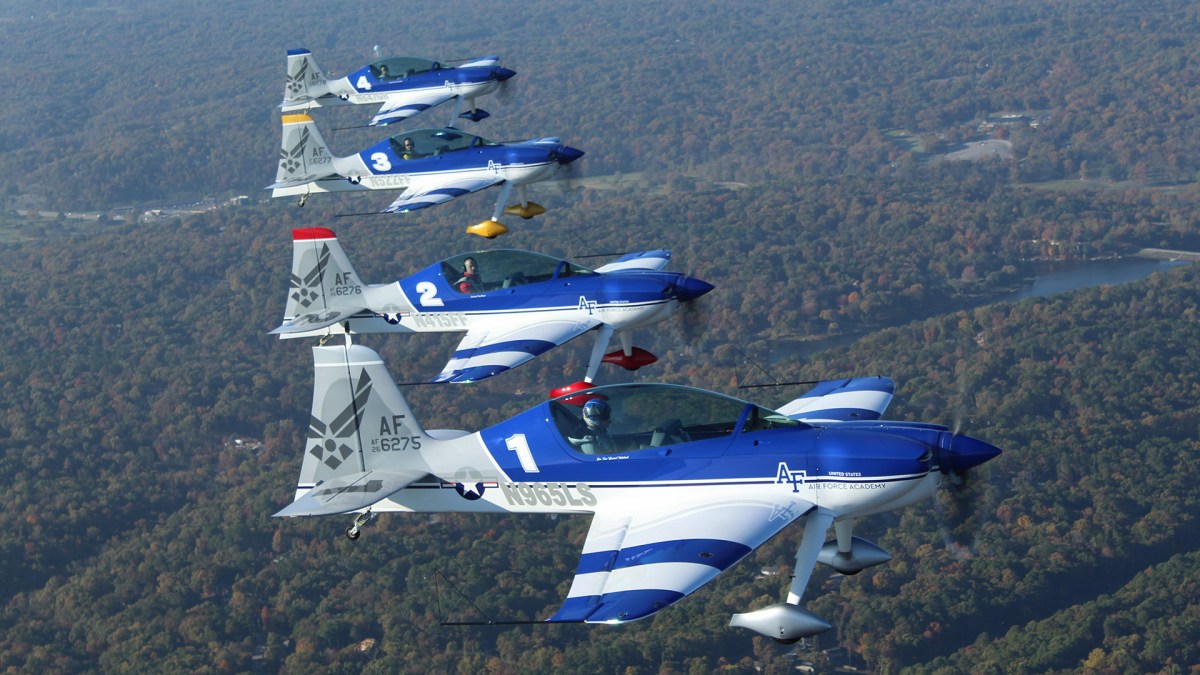
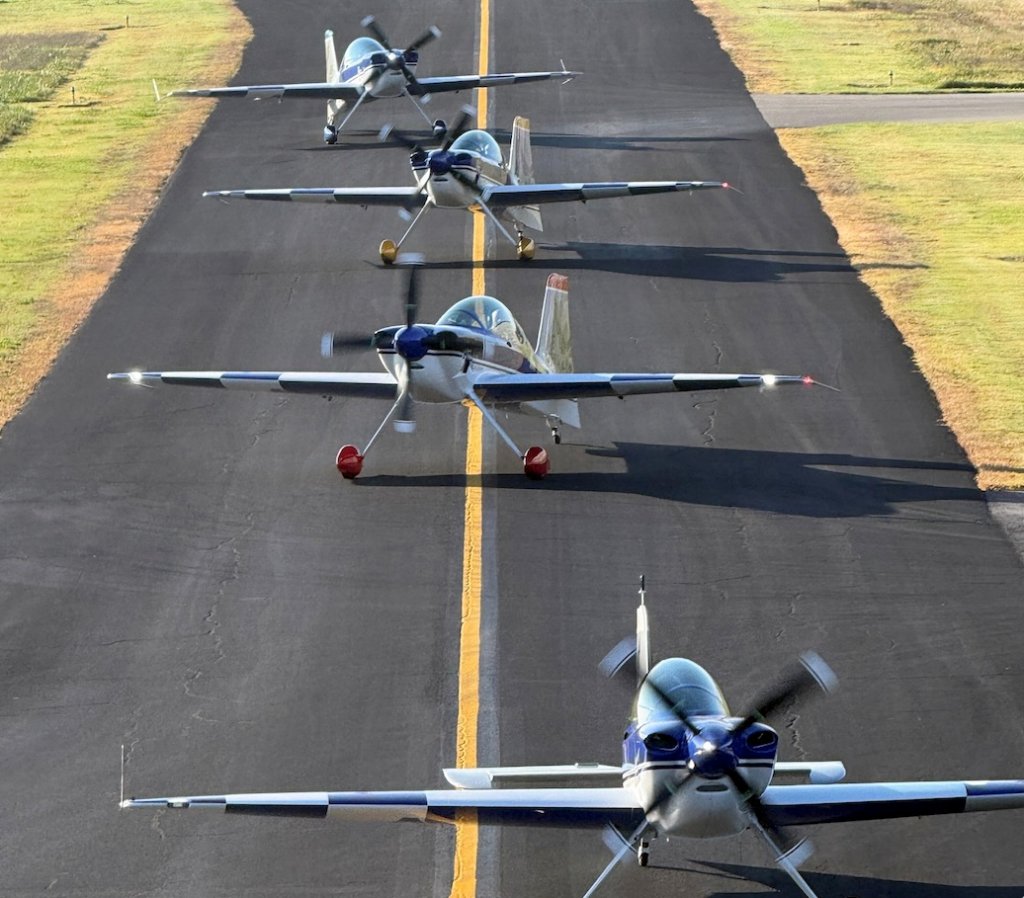
The U.S. Air Force has formally introduced the T-19A Kestrel, a two-seat aerobatic aircraft that will be used at the Air Force Academy to expand cadet flight experience and support a new aerial demonstration team.
Four aircraft have been delivered to the Academy. Their arrival was marked by a flight over the Cadet Wing’s noon meal formation in Colorado Springs, Colorado, following final military certification flights.
The T-19A is based on the GB1 Gamebird, a single-engine, all-carbon-fiber aerobatic aircraft built by Game Aerospace Composites of Bentonville, Arkansas. The platform is intended to give cadets exposure to higher-g flight and aerobatic flying before they enter the Air Force or move into Undergraduate Pilot Training.
Training and recruiting are both part of the mission
The Air Force says the aircraft will enhance the Academy’s elite airmanship program. It is also working with civilian aerobatic pilots and curriculum developers to establish a nationally competitive aerobatic and demonstration team.
That team is expected to serve a public-facing role as well as a training one. The service sees it as a recruiting tool at a time when it is seeking to strengthen pilot ranks. Aerobatic aircraft can offer a more accessible early experience of demanding flight maneuvers than operational combat aircraft, while helping cadets build confidence and practical airmanship.
Air Force Chief of Staff Gen. Ken Wilsbach described the program as historic, highlighting that the idea moved to four delivered aircraft in 10 months. He said the aircraft would help cadets accumulate additional flight time and aerobatic experience.

A specialized role before formal pilot training
The Kestrel is not a replacement for the Air Force’s conventional undergraduate pilot-training fleet. Instead, it fills a specialized developmental role: introducing selected cadets to precision aerobatics, high-g maneuvering and the disciplined flying required for a competitive demonstration environment.
Its all-carbon-fiber construction and civilian aerobatic pedigree reflect a different design priority from military trainers built for broader instruction pipelines. The program’s significance lies in how the Air Force Academy intends to use it—linking hands-on airmanship development with public demonstration and recruitment.
With the initial fleet now on site, the next test will be whether the Academy can translate the aircraft into a durable training curriculum and a demonstration team that attracts prospective pilots while giving cadets meaningful early flying experience.
This article is based on reporting by twz.com. Read the original article.
Originally published on twz.com