A key Crimea crossing has been damaged
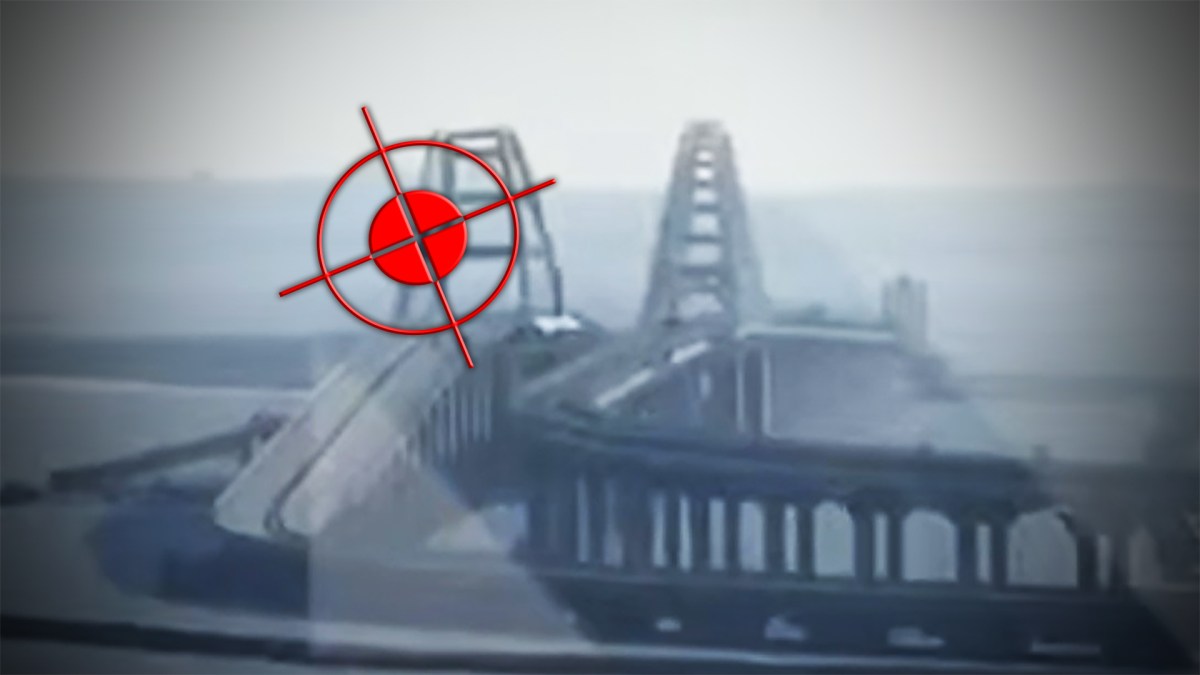
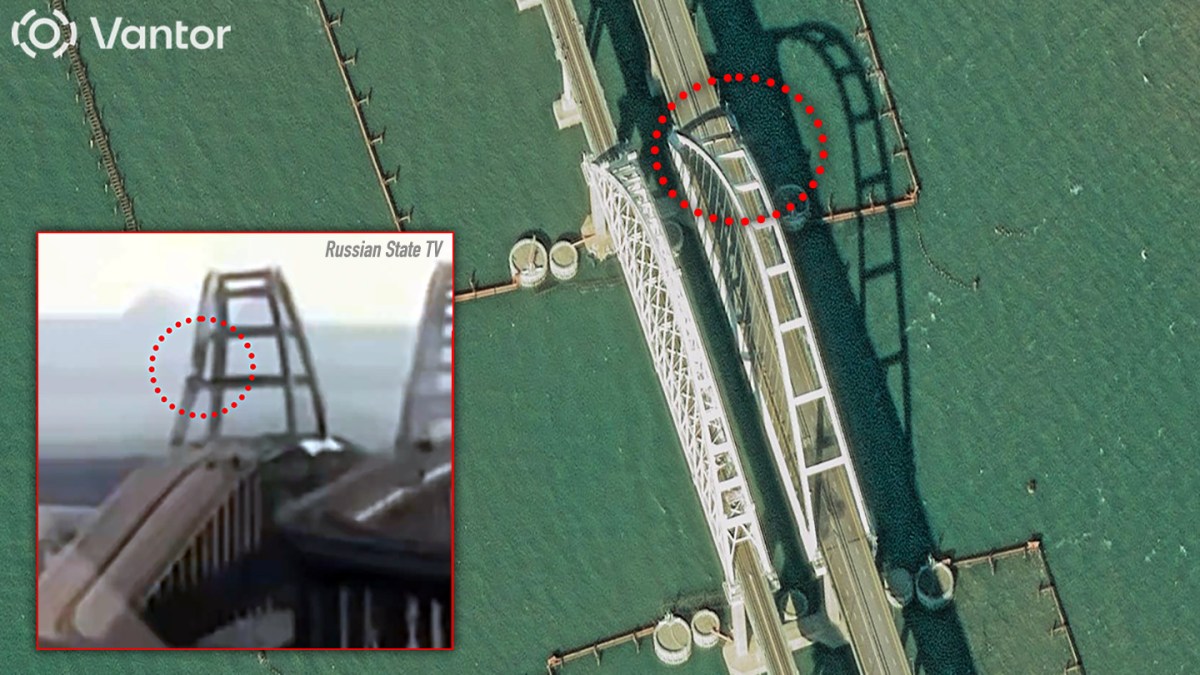
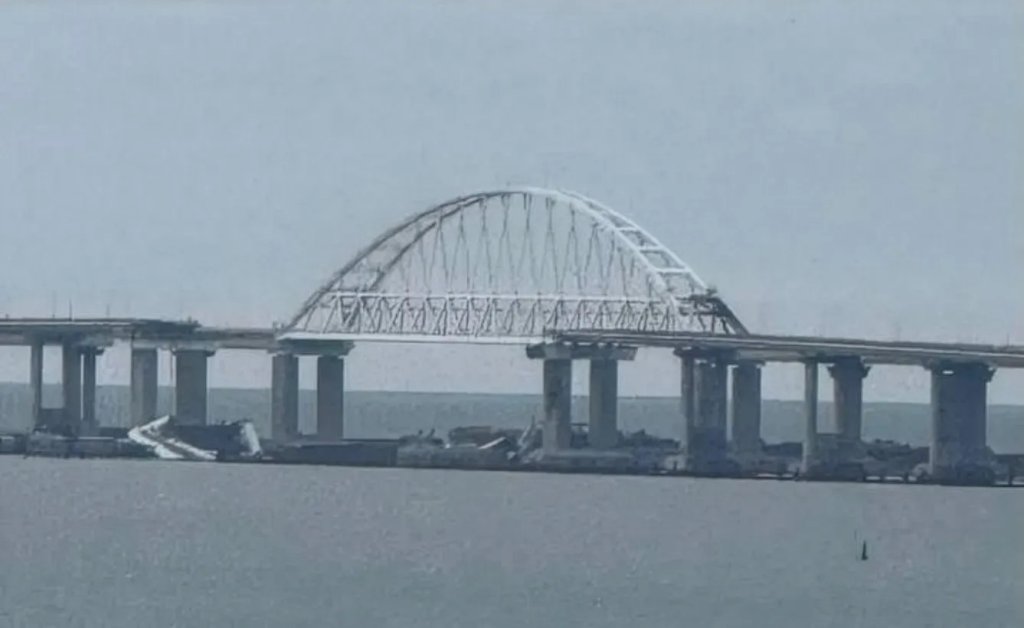
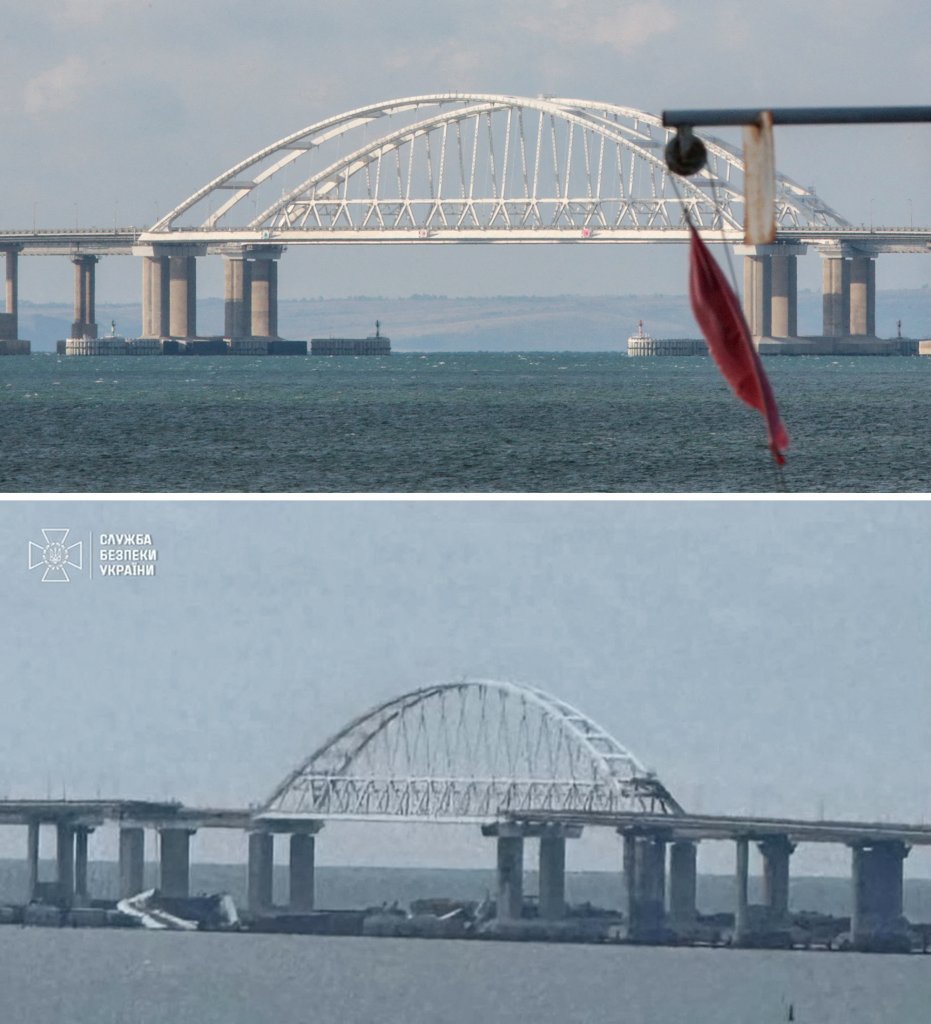
Ukraine’s latest strike on the Kerch Bridge destroyed a section of the road span, according to reporting from The War Zone and statements attributed to Ukrainian President Volodymyr Zelensky. The bridge crosses the Kerch Strait and links Russia to the occupied Crimean Peninsula, giving the damage both practical military significance and powerful symbolic weight.
Zelensky described the attack as the seventh stage of a coordinated operation conducted over several weeks by Ukraine’s Security Service and the General Staff. He said the campaign had gradually targeted air-defense systems, radars, electronic-warfare equipment and other objectives on the way to its final target.
Russian authorities have pledged to repair the bridge. The crossing remains important for moving people and goods between Russia and Crimea, while its visibility has made it a recurring focus of attention throughout the war.
A campaign rather than a single strike
The most consequential detail in Ukraine’s account is its description of a phased operation. Rather than presenting the bridge damage as an isolated long-range attack, Zelensky said Ukrainian forces spent weeks working through defenses and other designated targets that protected the route to the objective.
That approach reflects a broader challenge in attacking heavily defended infrastructure. A target may be physically vulnerable in places, but reaching it requires intelligence, surveillance, suppression or avoidance of air defenses, and enough precision to strike the intended structural point. Ukraine’s account indicates that these preparatory tasks were treated as part of the same operation, not as separate events.
Zelensky named a long list of Ukrainian systems used during the operation, including Dovbush, Vendetta, Da Vinci, Sichen, Mich-2000, Ruta, Palianytsia, An-197, FP-1, FP-5 Flamingo and R-360 Neptune. The source material does not establish the specific role, payload or strike result of each system, so their individual contributions cannot be independently determined from the information provided. But the list illustrates the range of uncrewed and missile capabilities Ukraine says it brought to the campaign.
Why the bridge matters
The Kerch Bridge is more than a piece of transport infrastructure. It is a visible connection between Russia and Crimea, and therefore a tangible expression of Russia’s control over the peninsula. Ukraine’s framing of the strike emphasizes that symbolic role, calling the bridge the main military crossing from Russian territory into what Kyiv describes as Ukrainian Crimea.
For military planners, the practical question is whether damage to one portion of the road span will reduce capacity, delay repairs or force traffic onto alternative routes. The source confirms that a key section of the road bridge was destroyed and that other damage was reported, but it does not provide a complete assessment of remaining rail or road capacity. It would be premature to claim that the crossing has been permanently disabled.
Still, repairing a prominent and strategically important crossing under the threat of further attacks can consume engineering resources, complicate logistics and impose additional security demands. It can also force Russian planners to account for disruption risk even after physical repairs are completed.
What comes next
Zelensky said that new waves of strikes could still follow. If that proves to be the case, the immediate aftermath may be less important than the sustained pressure created by the operation. A repaired structure can remain operationally constrained if it must be protected against repeat attacks and if traffic managers must prepare for closures or inspections.
The source also describes video imagery that reportedly showed an FP-5 Flamingo approaching the bridge, along with surveillance-drone footage and images of the aftermath. Such material can help illustrate an operation, but it does not by itself settle every question about the sequence of events or the full extent of damage. In conflicts where participants use public imagery as part of strategic communication, claims still require careful separation from independently verified facts.
What is clear from the available account is that Ukraine is presenting the attack as a complex, multi-stage effort that combined surveillance, drones and missiles against a heavily defended strategic crossing. Russia’s promised repairs may restore a portion of the physical infrastructure, but they do not remove the operational lesson: the bridge remains vulnerable to an adversary able to organize repeated, coordinated long-range strikes.
A test of strike integration
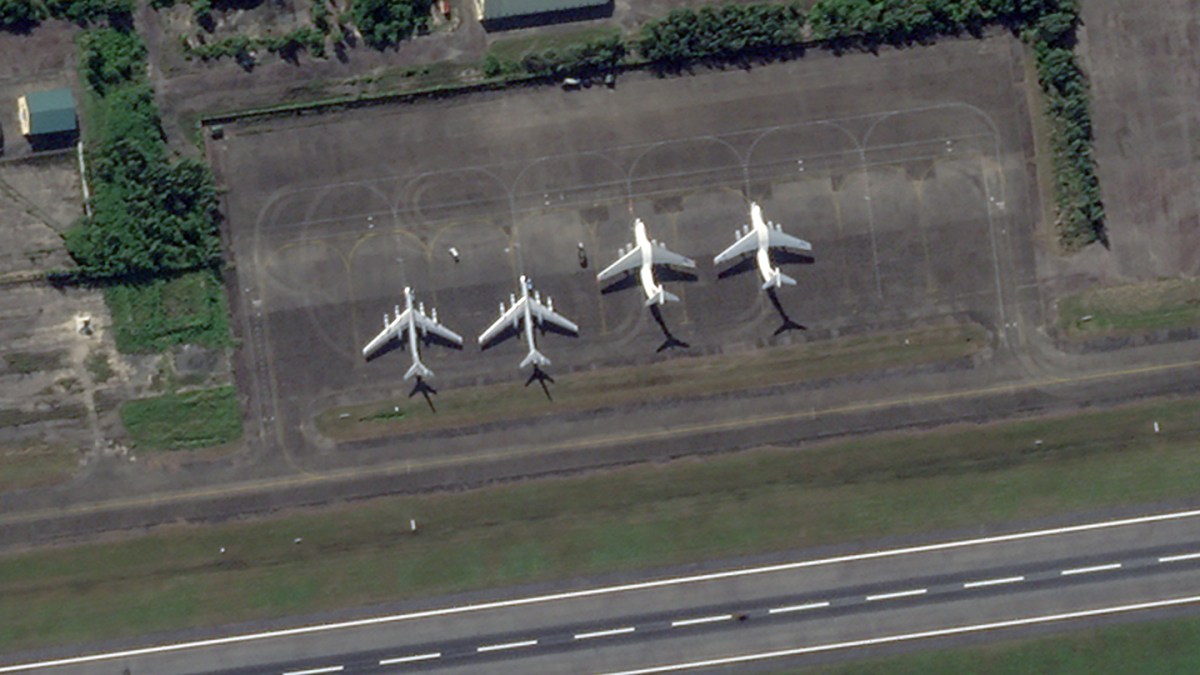
The operation is also a reminder that modern long-range strike campaigns depend on integration as much as on a single weapon. Sensors, decoys, drones, electronic-warfare considerations, missiles and command coordination all shape whether a target can be reached. Ukraine’s statement claims that its forces used an unusually broad mix of domestically identified systems in pursuit of that goal.
For both sides, the next phase will center on adaptation. Russia will seek to restore the crossing and strengthen its defenses. Ukraine will assess the effects of the strike and determine whether further action can deepen the disruption. The damage to the road span is an important event in its own right; the larger significance will depend on whether it becomes part of a continuing campaign against Russia’s connections to Crimea.
This article is based on reporting by twz.com. Read the original article.
Originally published on twz.com