Second reported strike brings another traffic shutdown
Ukraine launched a second attack on the Kerch Bridge in less than 24 hours, according to Sergey Aksyonov, the Russian-installed head of Crimea. The reported attack again put the strategically important crossing under immediate scrutiny, but the extent of any new damage was unclear at the time of reporting.
The Kerch Bridge, also called the Crimean Bridge, links Russia with occupied Crimea. Aksyonov said on Telegram at about 1:34 a.m. local time on Tuesday that “the enemy attacked the Crimean Bridge again” and that traffic had been suspended.
He asked residents and visitors to avoid travelling toward the bridge and to account for restrictions when planning their routes. He also said further updates would be provided and urged people to rely on official sources.
The report followed an earlier attack on the bridge, making the second claimed strike notable for both its timing and its apparent focus on the same critical infrastructure. The rapid return to the site underscores the bridge’s military, logistical and symbolic importance in the war.
Visual evidence remains inconclusive
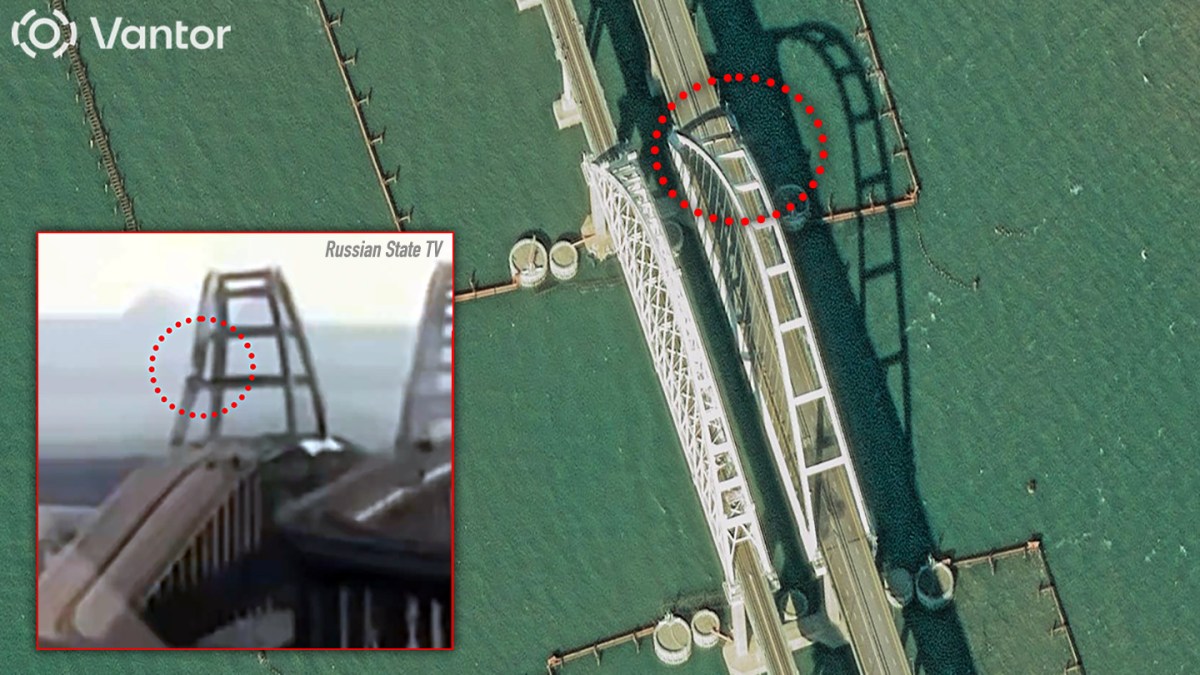
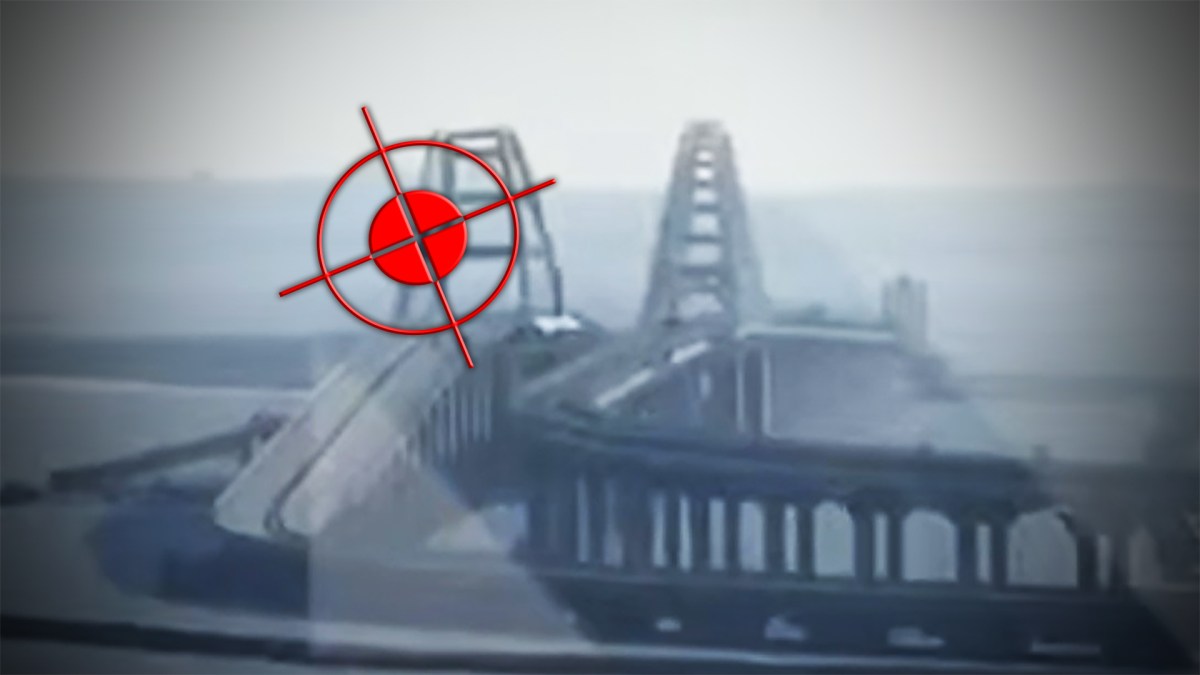
Videos circulated on social media that purported to show explosions and fire from the latest attack. One clip appeared to show an explosion in what may have been the same area of the bridge struck earlier, followed by apparent structural movement or a loss of shape.
However, the available imagery was of poor quality. That made it impossible to authenticate the footage or determine the outcome of a strike from the clips alone. Social-media accounts also circulated claims that an arch had been hit directly, but there was no confirmation of that claim at the time of the report.
Such uncertainty is central to assessing any attack on a large bridge. A visible blast, plume or disruption does not by itself establish the scale of damage, whether structural elements were affected, or how long a transport closure may last. The reported closure nevertheless shows that authorities treated the situation as serious enough to halt traffic while the incident was assessed.
No Ukrainian officials had publicly claimed responsibility for the second reported strike at the time of publication. That absence of an official Ukrainian statement left the attack’s method, the weapons involved and its effects unconfirmed.
A critical link between Russia and occupied Crimea
The bridge’s importance extends beyond ordinary civilian travel. It is a major connection between Russia and occupied Crimea, making it a high-value piece of infrastructure in a conflict shaped by the movement of people, supplies and military resources.
Its strategic role also makes it an enduring target and a closely watched indicator of the wider contest over Crimea. Any disruption can have practical consequences for transport and logistics, while also carrying substantial political significance for Moscow because the bridge is closely associated with Russia’s control of the peninsula.
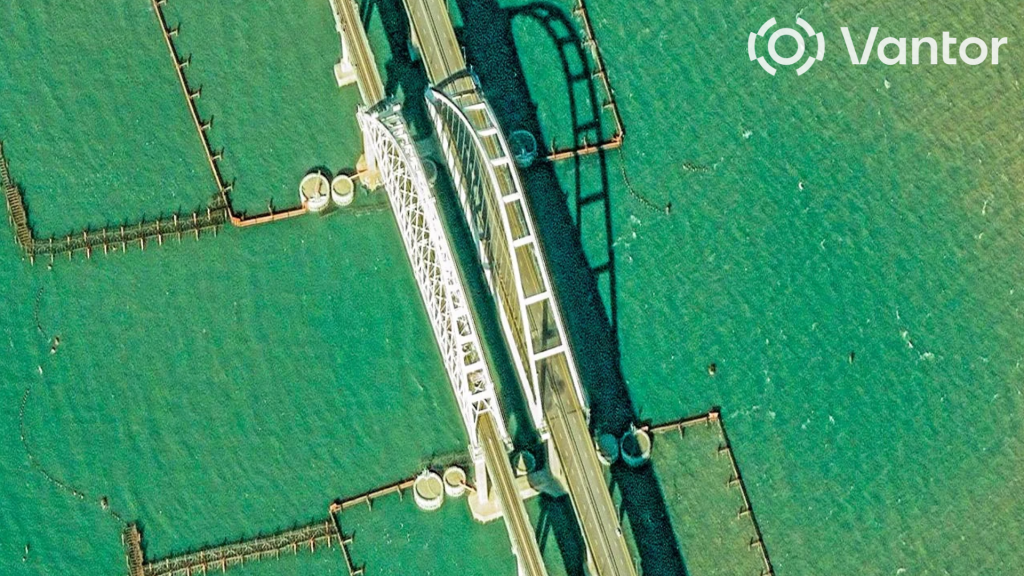
The second reported attack came after an earlier strike had already drawn attention to the condition of the crossing. Retargeting a recently affected location can complicate inspection and recovery efforts, especially when officials must decide whether traffic can safely resume. But the available information did not establish whether the latest incident caused additional structural damage.
Russian authorities’ immediate response was limited to reporting the attack, suspending traffic and asking the public to avoid the area. That is an important distinction from a full damage assessment. A temporary closure can be precautionary, operational or damage-related; the report did not provide enough verified information to determine which factor was decisive.
Claims, footage and verification in a fast-moving conflict
The incident demonstrates a familiar challenge in coverage of military attacks: the first accounts often arrive through official statements, local reports and rapidly shared videos rather than through independently verified assessments. In this case, the Russian-installed Crimean administration confirmed an attack, but the imagery circulating online did not clearly establish its results.
Several online posts made more specific assertions, including claims of multiple impacts and direct damage to an arch. Those assertions remained unconfirmed. The available account cautioned that the footage’s poor quality prevented reliable conclusions about authenticity or the outcome of any strike.
That means the most solidly supported facts are narrower than the most dramatic online claims. Russian-installed authorities said the bridge had been attacked again. Traffic was suspended. Videos emerged that purported to show an explosion and fire. The bridge’s actual condition, the nature of the attack and the scale of disruption had not been independently established.
For readers following developments, the distinction between reported events and verified effects matters. Infrastructure attacks can change quickly as inspections proceed, authorities reopen or extend closures, and higher-quality imagery or official statements emerge. Early damage estimates are particularly vulnerable to revision.
What to watch next
The next meaningful developments will be confirmation of whether traffic resumes, any official account of damage, and evidence that can establish what happened at the bridge. A prolonged closure would indicate that authorities need more time for security checks, repair work or structural assessment, but duration alone would not reveal the underlying cause.
A Ukrainian statement, if one is issued, could add information about the purpose or method of the attack, although official claims from any party would still need to be evaluated against available evidence. Imagery from the site and subsequent reporting may also clarify whether the reported strike affected the same section of the bridge targeted earlier.
Until then, the immediate picture remains limited but consequential: authorities in Russian-controlled Crimea reported a second attack in a day on one of the war’s most sensitive transport links, shut the crossing to traffic, and left the bridge’s condition unresolved.
The episode highlights both the bridge’s continued vulnerability and the difficulty of reaching firm conclusions in the first hours after a claimed strike. In the absence of clear corroboration, the most responsible account is one that separates official confirmation of an attack from still-unverified claims about its physical impact.
This article is based on reporting by twz.com. Read the original article.
Originally published on twz.com