Rumors of an immediate Air Force One retirement were premature
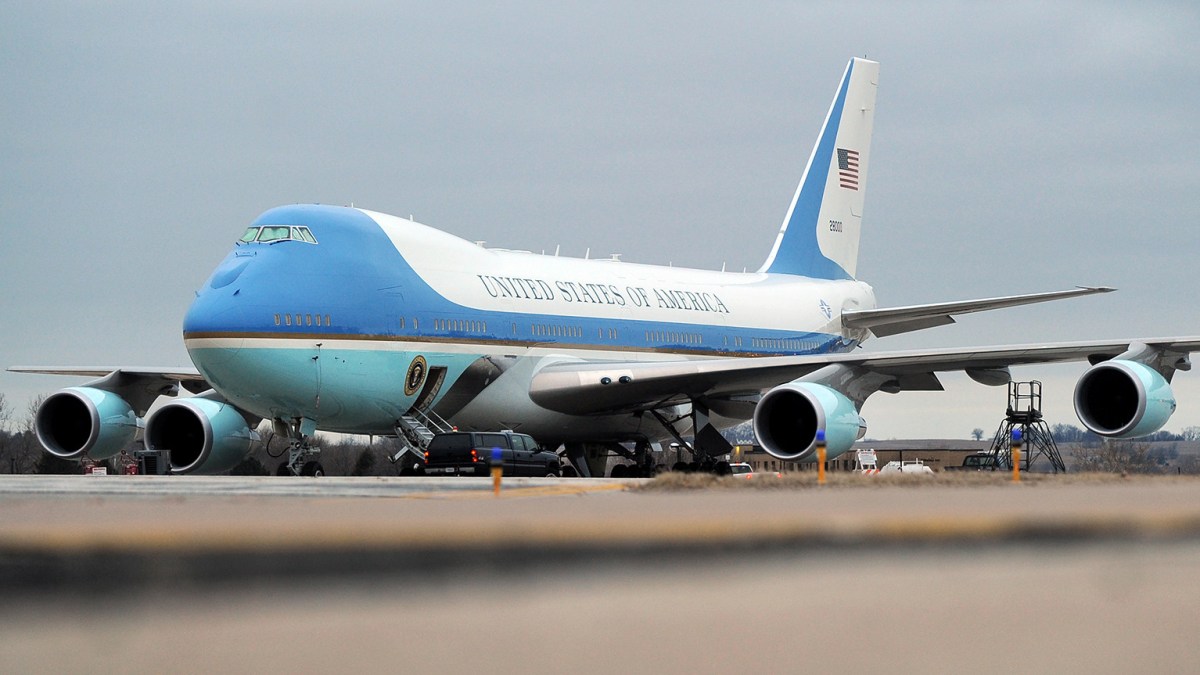
The U.S. Air Force has confirmed that both existing VC-25A aircraft used in the Air Force One role will remain in the active executive airlift fleet for now, pushing back on viral speculation that one of the jets had reached the end of its service life. The clarification came after social media posts from White House officials triggered a wave of reports suggesting that one or both of the long-serving aircraft were being retired.
According to reporting from The War Zone, an Air Force spokesperson said the incoming VC-25B “Bridge” aircraft will soon join the fleet “alongside the VC-25A and C-32.” When asked directly whether that meant both VC-25As would remain active, the spokesperson said yes. The service did not provide a firm timeline for when the bridge aircraft would enter operations.
That makes the immediate picture clearer even if the long-term transition remains in motion: the older presidential jets are not disappearing as soon as some online commentary implied. Instead, the next phase appears to be overlap, with the new aircraft entering service while the two existing VC-25As continue flying.
How the confusion started
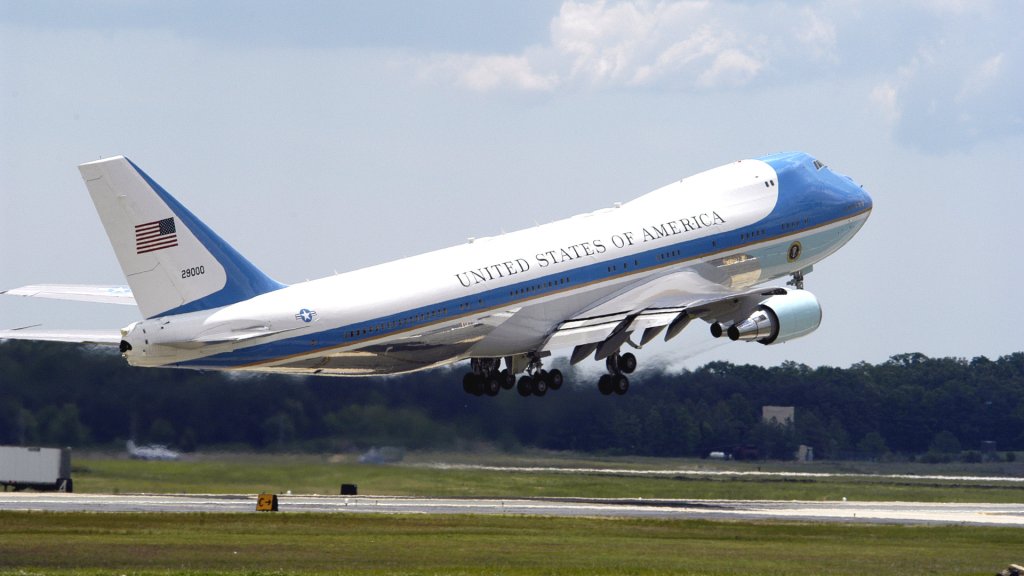
The speculation centered on aircraft serial number 92-9000, one of the two VC-25As in service. After President Donald Trump traveled to and from the G7 summit in France aboard that jet, senior White House officials posted tributes on social media that sounded valedictory.
One post from White House Communications Director Steven Cheung referred to “The Last Ride” alongside an image of the aircraft. Another from Deputy Chief of Staff Dan Scavino thanked the plane after years of travel aboard it. Those messages were widely interpreted as signaling that the aircraft, or perhaps the whole VC-25A era, had effectively ended.
But the Air Force’s response indicates those interpretations ran ahead of the facts. While the posts may have reflected a symbolic moment or a personal farewell to a specific chapter of travel, they did not amount to an official retirement announcement.
That distinction matters because presidential airlift transitions are operationally sensitive and often unfold in stages. Symbolic messaging from political staff can easily be mistaken for fleet-status policy unless the service itself confirms the change.
The bridge aircraft and what it means
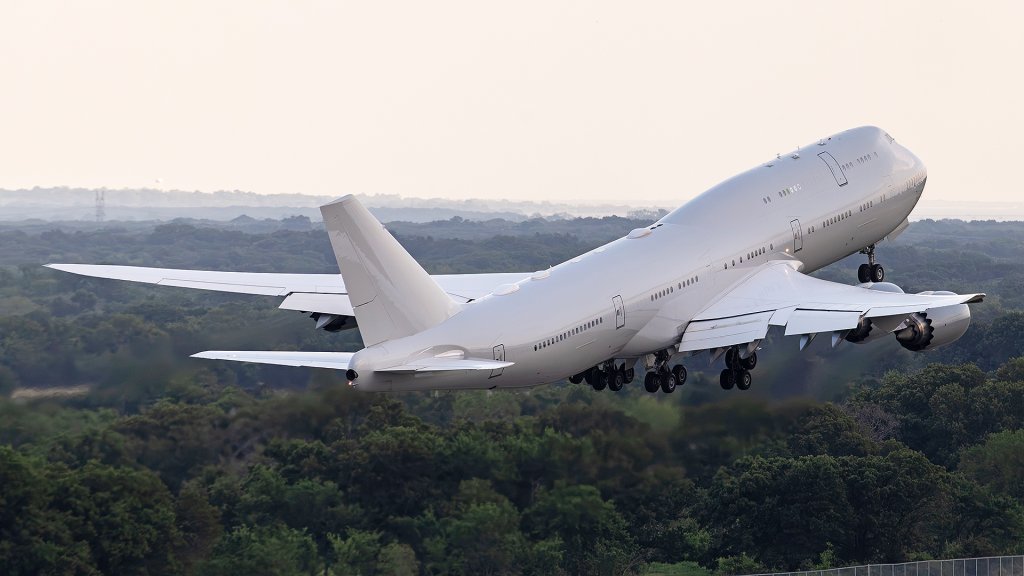
The next aircraft expected to carry the presidential mission is the so-called VC-25B “Bridge” aircraft, a converted ex-Qatari Boeing 747-8i originally configured as a VVIP transport. The Air Force told The War Zone that the aircraft will soon join the active executive airlift fleet, but stopped short of providing a date.
The use of the word “bridge” is important. It implies an interim step rather than a final, full replacement architecture. Based on the supplied source text, the aircraft is set to augment the fleet, not instantly supplant the current VC-25As. That practical arrangement makes sense for a mission set where redundancy, certification, maintenance availability, and continuity of operations all matter.
The presidential airlift mission is more than a matter of paint scheme and prestige. These aircraft function as highly specialized command-and-control and secure transport platforms, with requirements that differ sharply from those of commercial widebody aircraft. Any handoff between fleets therefore has to balance readiness and security with logistics and training.
Keeping both VC-25As in service during the introduction of a new platform would provide flexibility while crews, maintainers, and planners adapt. It would also reduce the risk of a gap in availability during a politically and operationally visible transition.
What stays the same for now
In practical terms, the Air Force statement means the current presidential fleet structure remains intact in the near term. The two VC-25As continue to serve, and the C-32 fleet also remains part of the executive airlift mix. The major near-term change is the addition of the bridge aircraft, not the abrupt subtraction of existing assets.
That continuity is notable because the VC-25As have been in service for decades and are closely associated with the modern Air Force One image. Even so, longevity alone does not determine retirement timing. Aircraft assigned to sensitive missions are often managed according to mission readiness, supportability, and transition planning rather than public perception.
The episode also highlights how quickly narratives can harden around incomplete signals. A phrase like “last ride” can be interpreted in multiple ways, especially when attached to a famous platform with an obvious successor waiting in the wings. Without an official service statement, however, such language remains ambiguous.
Here, the Air Force did issue that statement, and it was direct. Both VC-25As remain in the active executive airlift fleet. That does not mean they will fly indefinitely, and it does not resolve every question about how quickly the bridge aircraft will assume major duties. It does settle the narrower claim that one of the legacy jets had already been taken out of service.
A transition still worth watching
The larger story now is not a sudden retirement, but a managed transition. The ex-Qatari 747-8i conversion is nearing entry into service, and its arrival could change how often the older VC-25As are used and for which missions. As that happens, attention will likely shift from rumor control to operational reality: when the bridge aircraft actually flies the president, how the fleet mix evolves, and how long the legacy jets remain part of the rotation.
For the moment, though, the Air Force has drawn a clear line between speculation and status. The current Air Force One fleet is not down to a single aging VC-25A awaiting replacement. Both of the legacy aircraft are still in the game, and the incoming VC-25B bridge platform is being added alongside them rather than replacing them overnight.
In a news cycle that often moves faster than official confirmation, that simple clarification is the core development. The aircraft most associated with presidential travel in the United States are still flying, even as their successor edges closer to operational use.
This article is based on reporting by twz.com. Read the original article.
Originally published on twz.com