Navy shifts future Virginia payload boats into the guided-missile category
The U.S. Navy has decided that future Virginia-class submarines equipped with the Virginia Payload Module will no longer be categorized as attack submarines. Instead, they will be designated guided missile submarines, or SSGNs, a change that signals how the service is preparing for a major transition in undersea firepower.
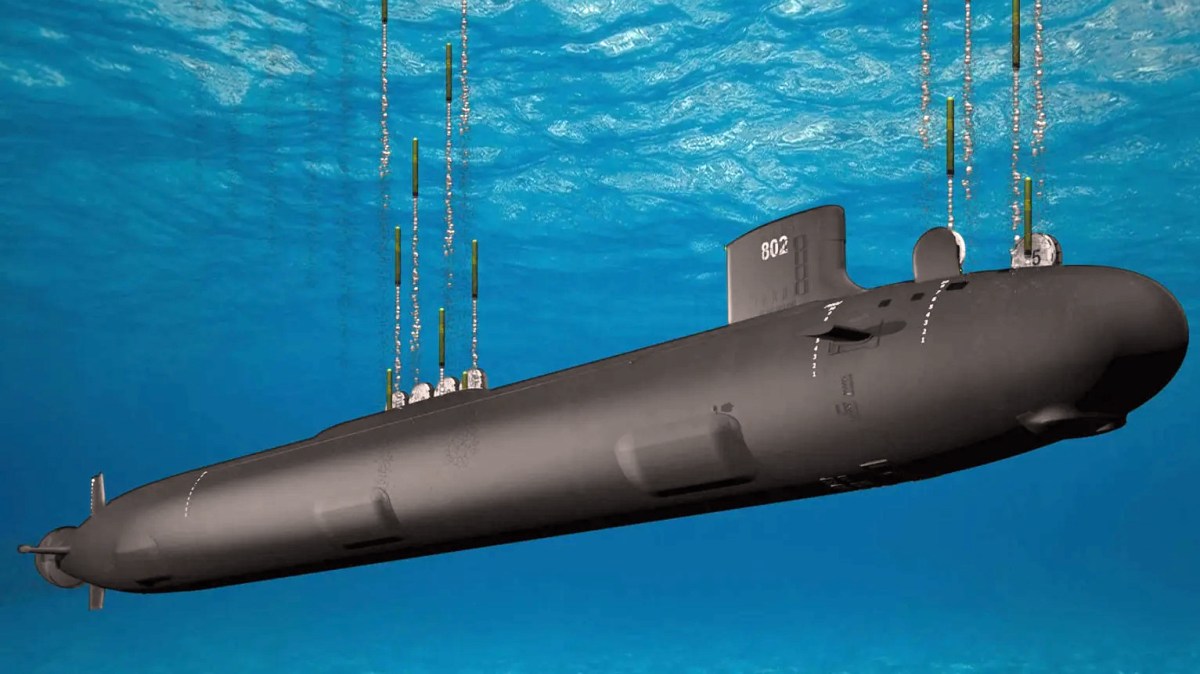
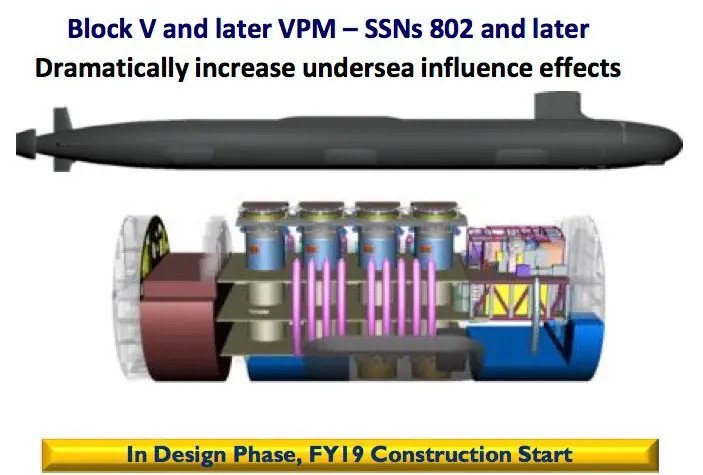
The recategorization applies to future subvariants of the nuclear-powered Virginia class fitted with the Virginia Payload Module, known as VPM. That section adds a 70-foot hull extension and four large vertical launch tubes capable of carrying Tomahawk land-attack cruise missiles, Intermediate-Range Conventional Prompt Strike hypersonic missiles, and other payloads. In practical terms, the Navy is treating these enlarged boats less as traditional attack submarines and more as successors to a guided-missile role now filled by aging Ohio-class SSGNs.
The timing matters. The Navy is moving to retire all four Ohio-class guided missile submarines by the end of 2029. Those boats are among the most powerful and in-demand submarines in the fleet because they combine stealth, endurance, and substantial strike capacity. Reclassifying VPM-equipped Virginias as SSGNs suggests the service wants to preserve some of that mission identity, even if the replacement force will not be identical in size or configuration.
What the Virginia Payload Module changes
The Virginia class has long been central to the Navy’s undersea fleet, but the VPM changes the balance of what these submarines can do. Rather than focusing only on the attack-submarine mission set, the added payload section expands their ability to launch large numbers of long-range weapons and carry other mission systems. The Navy’s decision to shift the designation reflects that expanded role.
According to the Navy’s announcement, it currently plans to acquire 19 VPM-equipped Virginia-class SSGNs. The first boat in this category will be the future USS Arizona. Although Arizona is the second Block V boat under construction, it is expected to be the first Virginia-class submarine to include the VPM. The first Block V boat, the future USS Oklahoma, is expected to be built without that module.
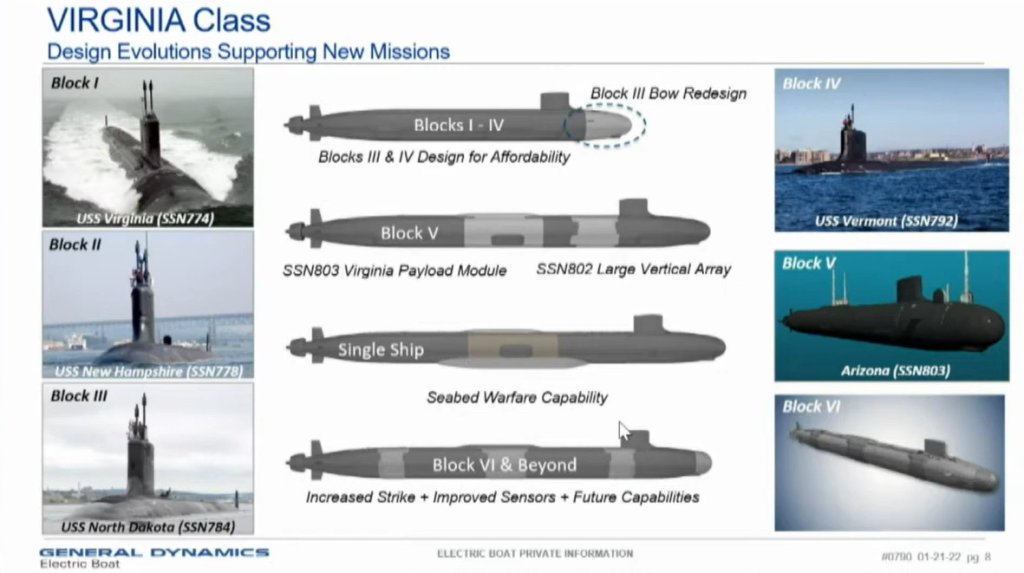
That means the Navy’s near-term transition starts within the existing Block V production run. Of the 11 Block V submarines, 10 are expected to receive VPM capability. The later Block VI boats are also expected to include the module, along with other upgraded features, extending the concept further into the next phase of procurement.
A force-structure signal ahead of Ohio retirements
The designation shift is more than a labeling change. Naval classifications help communicate how the service sees a platform’s primary contribution to the fleet. Calling these submarines SSGNs places emphasis on strike capacity and payload volume at a moment when the Navy is about to lose the four Ohio-class guided missile boats that have anchored that mission area.
The Ohio SSGNs are especially valued because they can carry a large quantity of conventional weapons while remaining difficult to detect. Their retirement creates an obvious gap in the fleet. The VPM-equipped Virginia boats are not described in the source text as direct one-for-one replacements, but the recategorization makes clear that the Navy sees them as the next major guided-missile undersea force.
That framing also aligns with the payloads mentioned for the VPM. Tomahawk cruise missiles remain a core long-range strike weapon for U.S. naval forces, while the inclusion of Intermediate-Range Conventional Prompt Strike points to an effort to field more advanced conventional strike options from stealthy submarine platforms. The Navy is therefore not only replacing capacity in a broad sense, but also adapting it to future weapon types.
Questions remain about the numbers
Even so, the Navy’s stated plan introduces a notable ambiguity. The service says it intends to acquire 19 VPM-equipped Virginia-class SSGNs. But the production figures in the supplied source create a mismatch. With 10 Block V boats expected to have VPMs and nine newly announced Block VI boats also expected to include them, the visible total comes to 19 only if the count excludes one otherwise expected hull from the larger arithmetic discussed around the program.
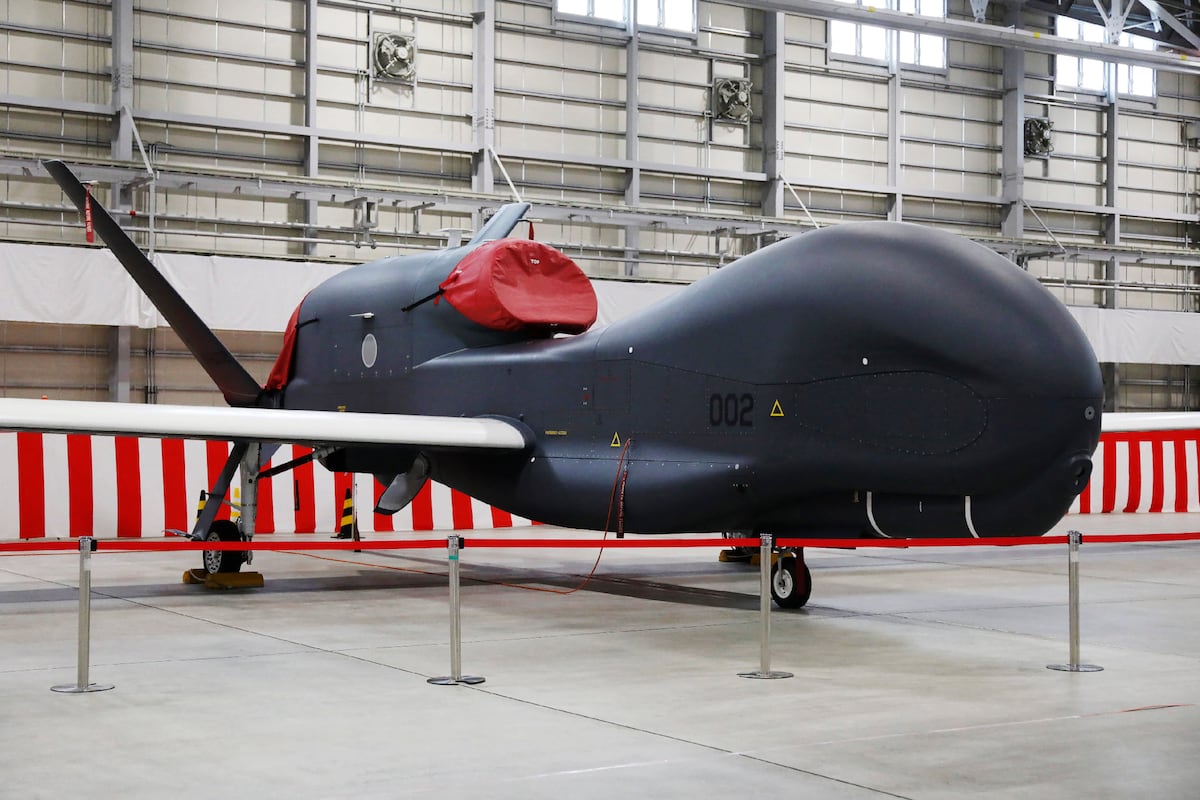
The source text notes a discrepancy tied to the Navy’s broader contract activity. Last week, the Navy announced a $76.6 billion contract award for nine Block VI Virginia boats and five additional Columbia-class ballistic missile submarines. Depending on how one counts the Block V and Block VI boats discussed, the total appears to produce one submarine more than the stated plan of 19. One possible explanation raised in the source is that the outlier could be a one-of-a-kind seabed espionage variant, though that was not confirmed in the supplied material.
That unanswered question matters because submarine procurement is already one of the Navy’s most consequential and expensive industrial commitments. When designations change, analysts will look closely at whether the mission set, budget logic, and force totals are changing with them. Even a seemingly administrative recategorization can signal deeper decisions about how many strike-focused submarines the service expects to field and what those boats will actually be built to do.
Why this matters now
The Navy’s move comes at a moment when undersea warfare is gaining strategic weight. Submarines remain among the hardest military assets to track, and the ability to combine stealth with long-range conventional strike gives them outsized value in deterrence and crisis response. By defining future VPM-equipped Virginias as SSGNs, the Navy is making clear that it wants this portion of the force to be seen through that lens.
It also underscores a broader transition underway in the U.S. submarine fleet. The Columbia-class program is reshaping the ballistic-missile leg of the nuclear triad, while the Virginia program continues to shoulder conventional attack, intelligence, and now more formally guided-missile duties. As the Ohio SSGNs approach retirement, the Navy appears to be reorganizing not just procurement plans, but the conceptual map of its undersea fleet.
Whether the future Virginia SSGN force will fully meet the demand currently placed on the Ohio boats remains an open question. But the classification decision itself is a clear statement: the Navy is no longer treating VPM-equipped Virginia submarines as merely enlarged attack boats. It is assigning them a guided-missile identity in anticipation of a changing era in U.S. undersea strike capability.
This article is based on reporting by twz.com. Read the original article.
Originally published on twz.com