Air Force signals tougher engine buying strategy
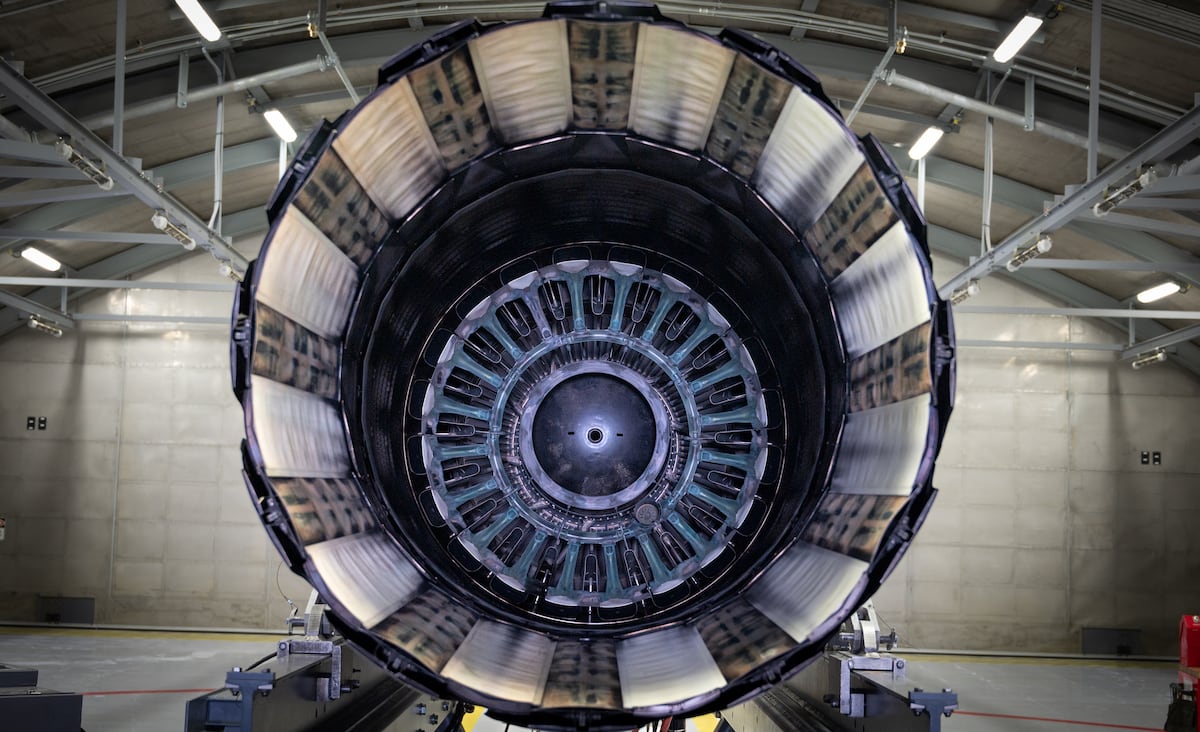
The U.S. Air Force is openly warning that the industrial base supporting its fighter aircraft engines is falling short on production, quality and supply resilience, and it is now using that diagnosis to set up a more competitive procurement approach. In a recent request for information, the service said current manufacturers have shown “significant challenges” across key engine components, including production delays, quality-control problems and obsolescence tied to material shortages and diminishing manufacturing sources.
That language matters because it goes beyond a routine market survey. The Air Force is describing a structural problem in the way military jet engines are built and sustained, then pairing that critique with an explicit plan to push industry toward better manufacturing performance and stronger supply chains. The deadline for industry responses is August 28, indicating the service is moving quickly to gauge what capacity and alternatives may exist.
Why the Air Force is concerned now
The source text ties the new effort to a broader pattern of engine-related trouble across major Air Force programs. Fighter deliveries and upgrades for the F-35 have been slowed by engine issues, and a Government Accountability Office report cited in the article said the engine contractor was still not delivering engines to contract specifications even after two decades of production. That is an unusually stark benchmark for a mature defense program and suggests the Air Force sees current problems as persistent rather than temporary.
Engine constraints are also affecting legacy-platform modernization. The B-52 upgrade effort has been delayed in part by engine problems that, according to the article’s summary of GAO findings, added $3 billion in costs and pushed initial operational capability back by 15 months. In other words, the service is dealing with engine stress at both ends of its portfolio: newer tactical aircraft and long-running bomber modernization.
That combination helps explain why the Air Force is no longer framing this as a narrow contractor-management issue. It is instead portraying propulsion as a fleetwide readiness and sustainment problem. If engine deliveries slip, if parts are harder to source, or if quality defects ripple into maintenance cycles, operational availability suffers well beyond the factory floor.
A procurement shift built around competition
The Air Force says it will pursue a “strategic competition” intended to force innovation in manufacturing and guarantee supply-chain resiliency. The immediate focus is a multiyear fighter-engine procurement project that envisions demand for more than 180 engines per year by 2034. The request specifically points to engines for the F-15EX and F-16, two aircraft that remain central to the service’s tactical aviation plans and to foreign military sales.
By emphasizing competition, the Air Force is signaling that industrial performance itself may become a discriminator, not just price or basic technical compliance. The request describes five “foundational pillars” meant to push a broader change in how engines are bought and supported. The core message is that the government wants vendors that can build more reliably, maintain better quality discipline and show they can keep parts flowing under pressure.
The article also makes clear that lifecycle thinking is becoming central. The Air Force says it will focus on total lifecycle cost rather than only the initial purchase price. That implies a procurement model that values ease of maintenance, supportability and predictable sustainment along with up-front acquisition cost. For engine makers, that raises the bar: a compelling bid would need to show not only performance in the aircraft, but performance in the repair network, spare-parts chain and long-term support model.
Industrial base pressure is now a readiness issue
The most important theme in the Air Force’s language is that manufacturing weakness has become an operational risk. The service says contractors will be responsible for ensuring reliable supply chains from the beginning, and it intends to enforce stringent producibility requirements. That wording suggests the government wants proof that production can scale and remain stable before problems become entrenched in the fleet.
The emphasis on surge capacity is especially notable. The Air Force says it wants a partner capable of scaling production to meet higher demand while guaranteeing a steady and uninterrupted supply for U.S. and foreign military sales aircraft. That reflects a broader defense concern: in a more contested global environment, production systems designed only for peacetime efficiency may not be enough. Resilience now means the ability to absorb shocks, replace constrained components and raise output without collapsing quality.
It also suggests the service is trying to reduce dependence on brittle supplier networks. Material shortages and component obsolescence have become recurring themes across defense manufacturing, and engines are particularly exposed because they rely on specialized materials, precision parts and tightly controlled processes. If even a few critical nodes fail, delivery schedules can move quickly from late to unstable.
What industry will need to prove
For companies responding to the Air Force, the challenge is broader than offering a technically sound engine. They will need to convince the government that they can sustain high-rate production, maintain quality standards, manage obsolescence and support aircraft over time with less downtime and a smaller logistics burden. The Air Force is explicitly asking for a newer engine with improved supportability, tying procurement choices to day-to-day readiness outcomes.
That could favor firms that have invested in modern manufacturing methods, diversified suppliers or stronger digital oversight of production quality. It may also open the door for new competitive positioning if incumbents are perceived as unable to meet timing, specification or sustainment expectations. The article does not identify a winner or even a preferred path, but it makes one point clear: the Air Force wants evidence that industry can execute, not just promise.
What this means for defense manufacturing
The request for information is still an early step, but its tone is revealing. The Air Force is framing engine procurement as an opportunity to reset expectations around accountability, readiness and industrial resilience. That matters well beyond one contract. Propulsion sits at the center of aircraft availability, modernization pacing and export support, so weakness there can slow multiple programs at once.
If the service follows through, future engine awards may place more weight on producibility, maintainability and supply continuity than legacy defense competitions typically have. For manufacturers, that means success may depend as much on factory discipline and supply-chain design as on core engine performance. For the Air Force, the goal is straightforward: fewer delays, fewer quality surprises and a propulsion base capable of supporting both current operations and future demand.
This article is based on reporting by Defense News. Read the original article.

Originally published on defensenews.com