A carrier stop with diplomatic weight
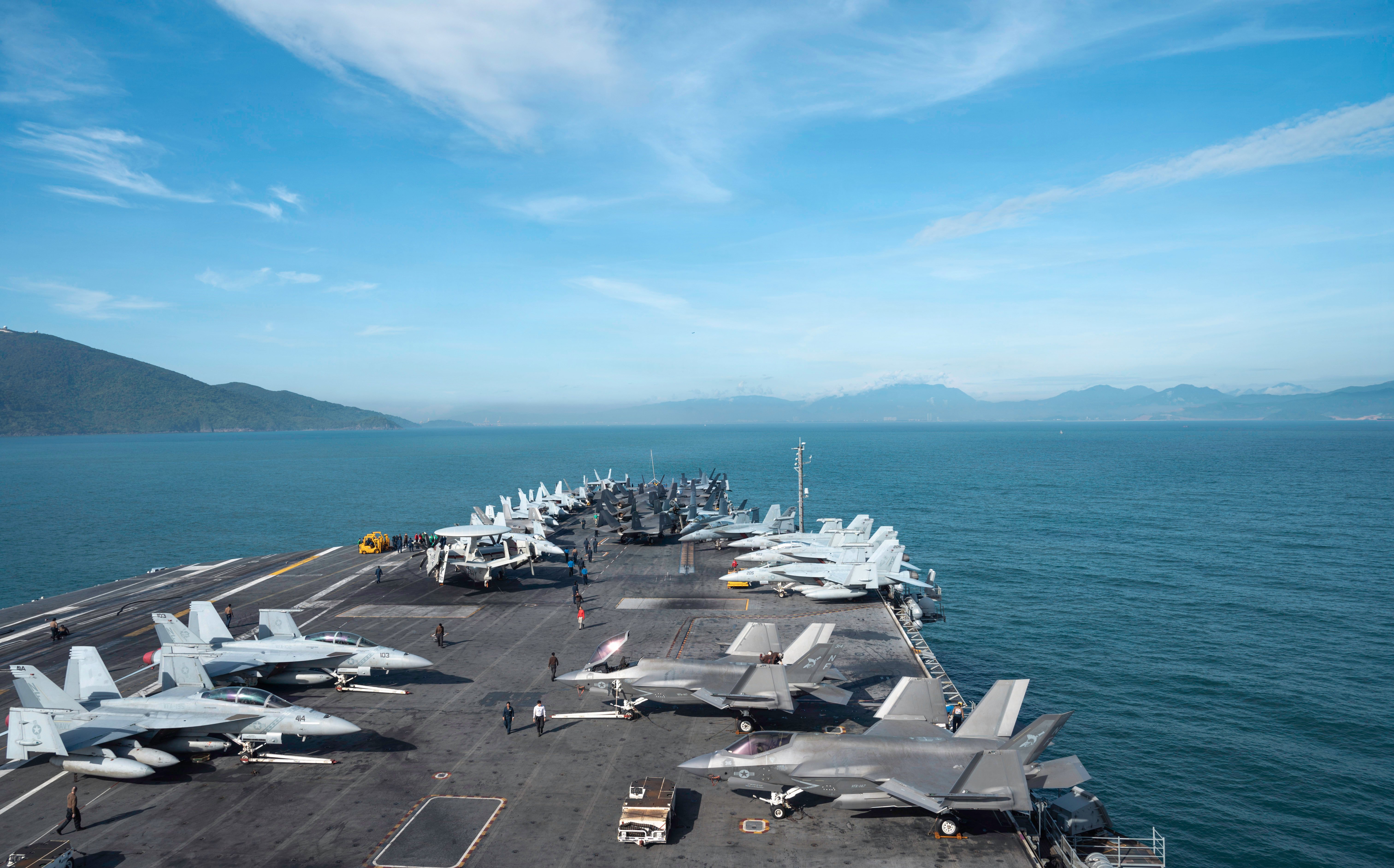
The USS George Washington’s arrival off Da Nang on July 30 was more than a routine port call. According to the U.S. Navy activity summarized in The War Zone’s latest carrier tracker, the nuclear-powered carrier began a five-day visit to Vietnam after operating in the South China Sea and southwest of Luzon in the Philippines from July 24 to 28. The visit marked the first U.S. aircraft carrier stop in Vietnam since 2023 and only the fourth such visit since the two countries normalized relations in 1995.
That timing matters. Aircraft carrier visits are among the most visible symbols of U.S. naval power, but they are also a diplomatic instrument. In this case, the George Washington was not alone. Guided-missile cruiser USS Robert Smalls and destroyer USS Shoup also arrived with the carrier, adding to the signal that Washington intended the visit to be seen as both operational and political.
The Navy framed the stop in the language of regional partnership. Capt. Nicholas DeLeo, commanding officer of George Washington, said the visit supported a U.S.-Vietnam relationship that continues to broaden and reflected a shared interest in a free and open Indo-Pacific. The crew also hosted public tours and took part in local events, turning the port call into a people-facing exercise as well as a military one.
Why this stop stands out now
Carrier visits do not happen in a vacuum. The George Washington’s appearance in Vietnam came as the U.S. Navy continues to distribute its carrier presence across multiple theaters with different priorities. In the western Pacific, presence missions are tied to deterrence, alliance reassurance, and freedom of navigation in contested waters. In practical terms, a carrier arriving in Vietnam after operating near the Philippines sends a message of sustained U.S. engagement along some of the Indo-Pacific’s most strategically sensitive maritime corridors.
Vietnam occupies a careful position in regional security politics. Hanoi has sought to deepen ties with multiple partners while avoiding the appearance of formal alignment. Against that backdrop, even a scheduled port visit carries significance. It shows a level of comfort with U.S. naval engagement that would have been much harder to imagine decades ago, and it does so in a format visible to regional audiences, including allies, partners, and competitors.
The fact that this was the first carrier visit since 2023 also adds weight. A long gap can make the next call feel less like routine traffic and more like a deliberate restoration of tempo. For Washington, that matters because continuity of presence is itself a strategic signal.
A fleet balancing diplomacy and readiness
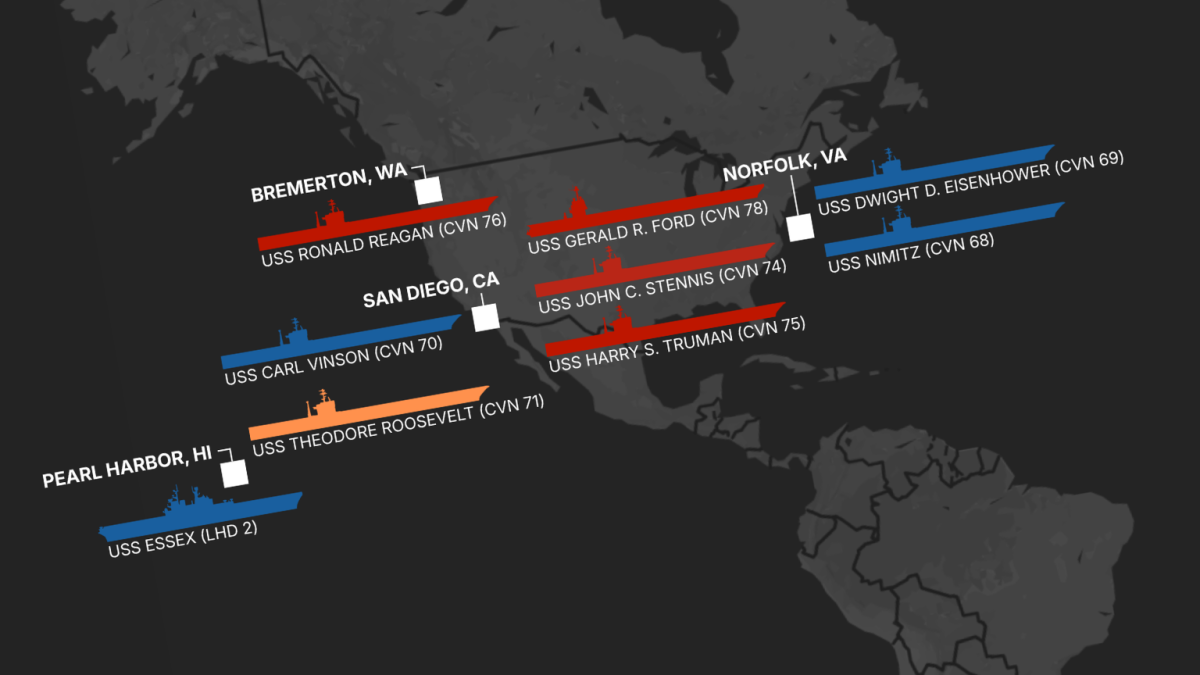
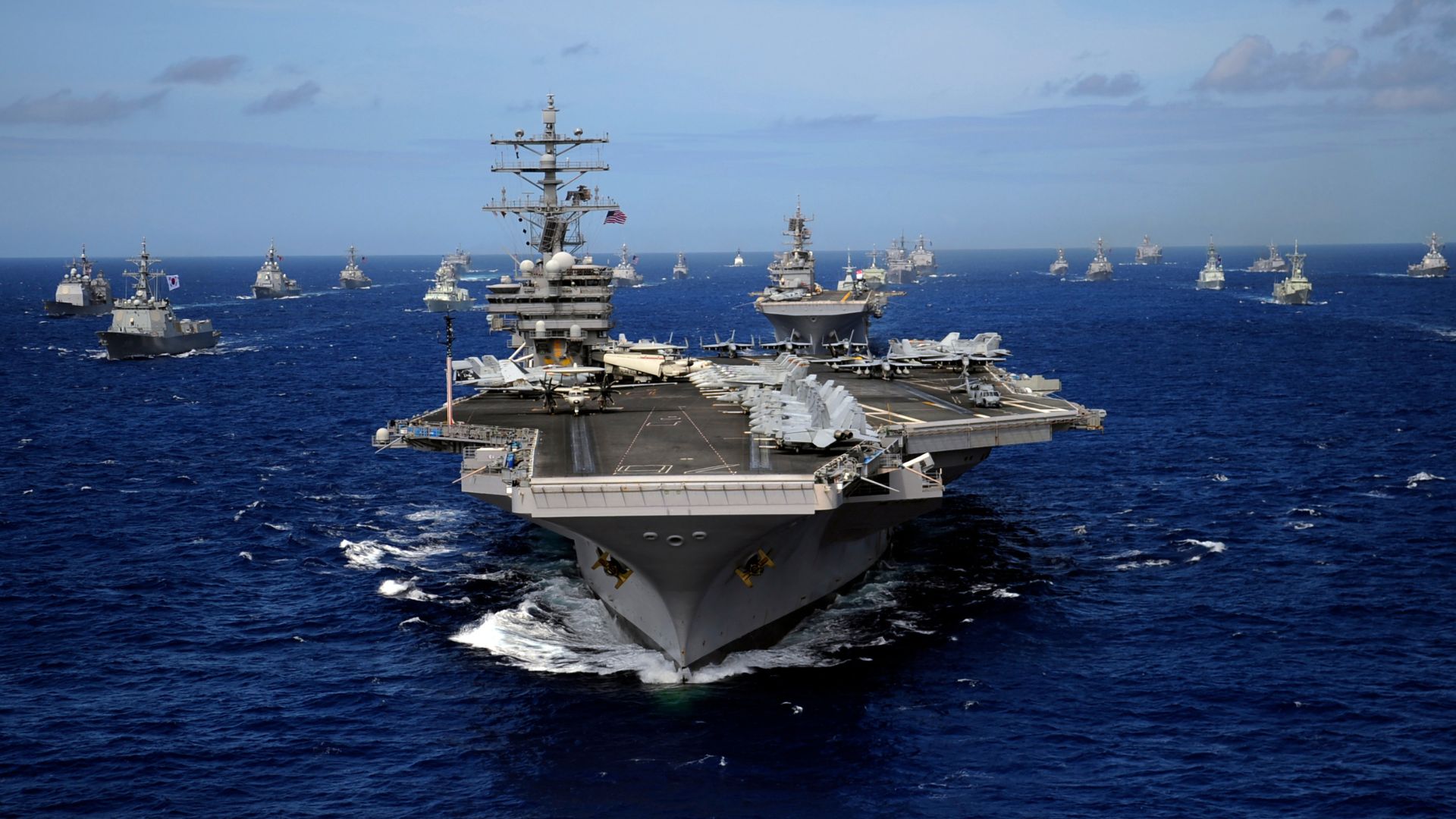
The broader carrier picture reinforces that interpretation. The War Zone tracker notes that the Theodore Roosevelt Carrier Strike Group returned to Pearl Harbor on July 28 after the at-sea phase of Rim of the Pacific 2026, the large multinational exercise that concluded on July 31. RIMPAC brought together 30 nations, 30,000 personnel, 30 surface ships, five submarines, and nearly 200 aircraft, with 2,400 sorties and 5,000 scenario-based operational problem sets.
Those numbers underline the scale of allied and partner integration the Navy is trying to sustain. RIMPAC is not only about high-end combat training. It is also a mechanism for demonstrating coalition capacity and interoperability across the Pacific. When one carrier finishes a major exercise cycle and another appears in Vietnam, the sequence illustrates how the Navy uses the fleet as a continuous instrument of presence rather than a set of isolated deployments.
That continuity is especially relevant at a moment when U.S. naval forces are also stretched by demands elsewhere. The War Zone summary highlights that two carriers were holding the blockade line in the Arabian Sea, a reminder that carrier allocation is still shaped by pressures in the Middle East even as Indo-Pacific competition remains central to U.S. defense planning.
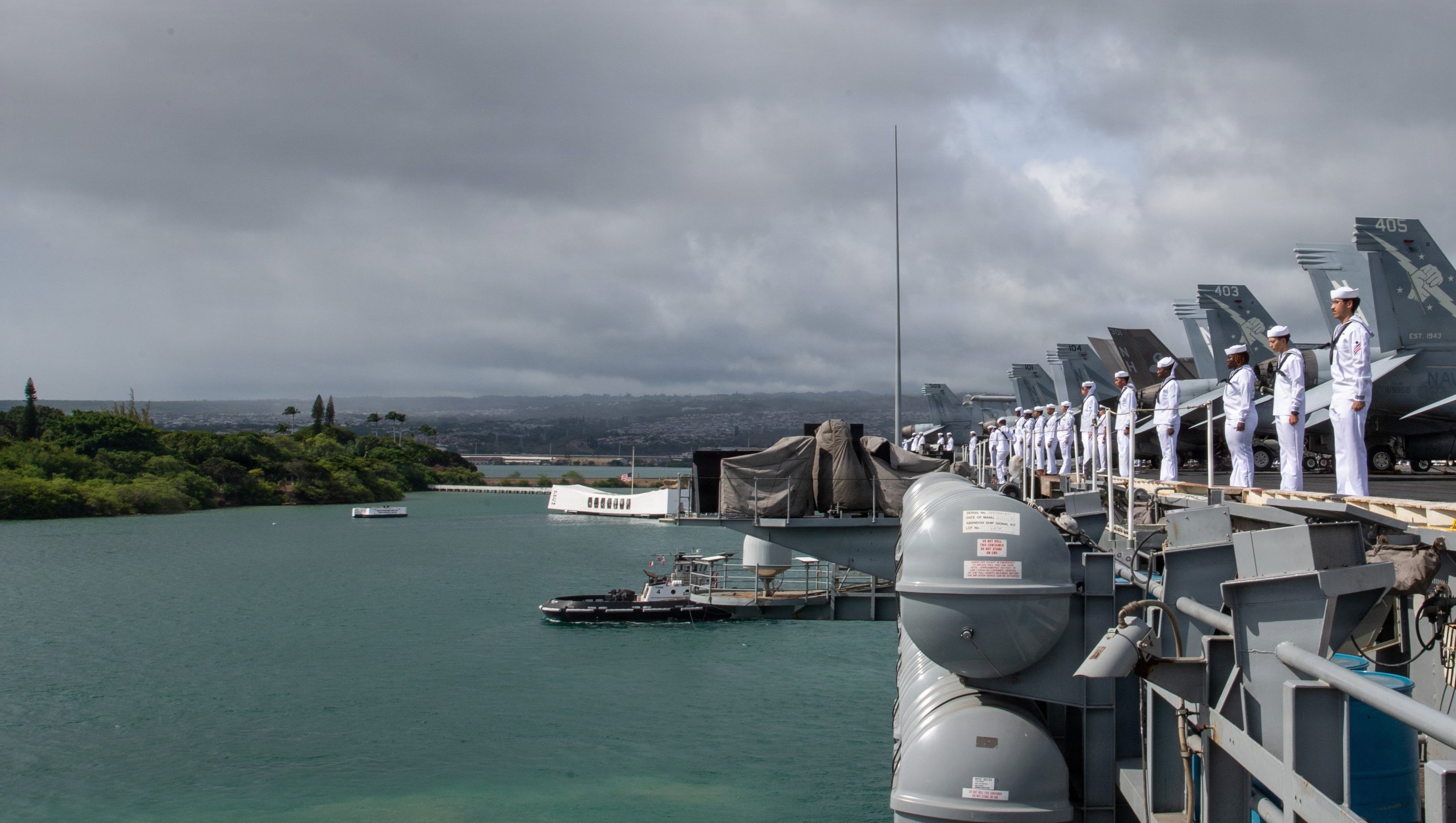
The result is a Navy trying to do three things at once: reassure partners, sustain warfighting readiness, and preserve enough flexibility to respond across more than one major theater. Carrier movements are among the clearest public indicators of how that balancing act is being managed in real time.
What the Da Nang visit may indicate
It would be overstating the case to treat one port call as a strategic turning point. But it would also be a mistake to dismiss it as ceremonial. The George Washington’s stop in Da Nang combined several layers of meaning that make it notable: an appearance in the South China Sea after operations near the Philippines, a return to Vietnam after a multiyear gap, and a visible reminder that U.S.-Vietnam ties continue to expand in practical defense terms.
For the U.S., the value lies partly in normalization through repetition. Each successful visit makes future engagement easier. Each stop helps institutionalize habits of contact between military organizations, local officials, and surrounding communities. Over time, those habits can matter as much as formal statements.
For regional observers, the image is also important. Aircraft carriers remain one of the most legible forms of military signaling. A carrier anchored off Da Nang communicates commitment in a way that policy language often cannot. It suggests that despite competing operational burdens, the U.S. still intends to maintain a visible and politically active naval presence in Southeast Asia.
The George Washington’s visit therefore fits into a wider pattern: maritime diplomacy backed by hard power, delivered through a platform that is designed to be noticed. In a region where symbolism, access, and consistency all matter, that combination gives a scheduled port call outsized strategic value.
This article is based on reporting by twz.com. Read the original article.
Originally published on twz.com