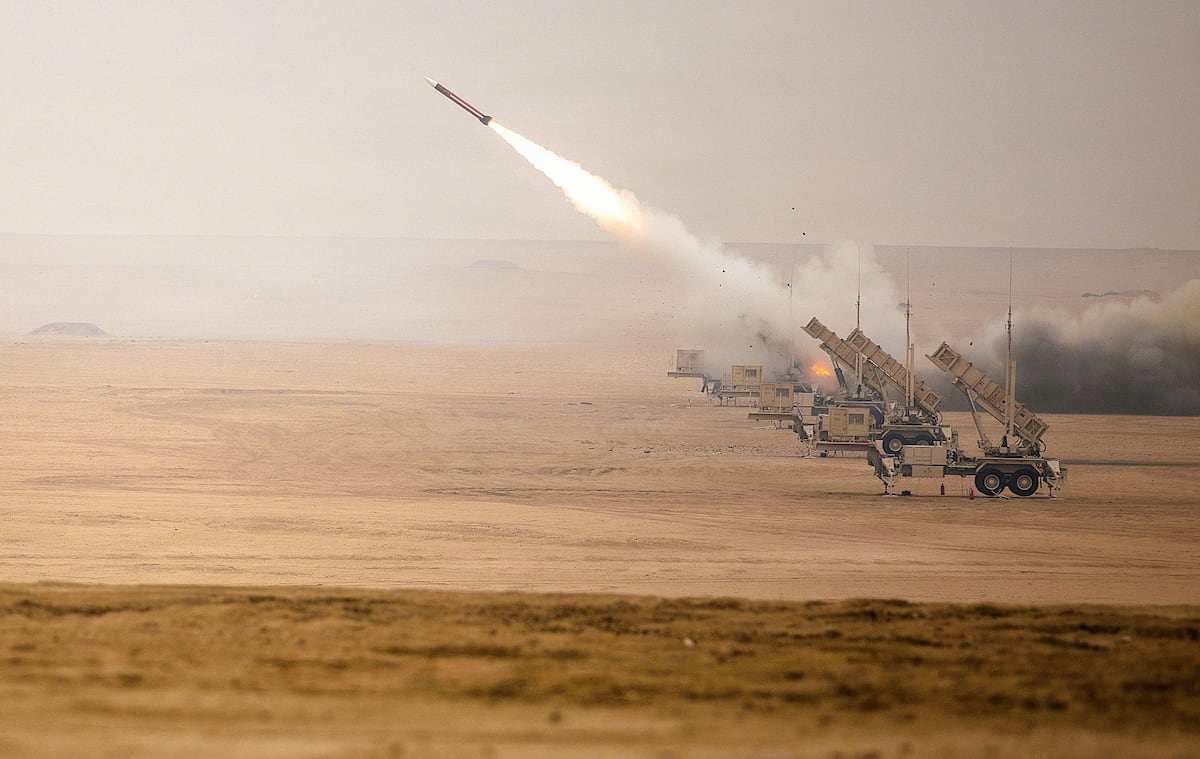
A new missile-defense race is taking shape
The market for anti-ballistic weapons is shifting from a long period dominated by the Patriot system into a more competitive and urgent phase. A report from Defense News describes three parallel efforts now underway to build cheaper or faster-to-produce alternatives as governments confront growing demand, shrinking inventories and the high cost of current interceptors.
The immediate backdrop is a battlefield problem that has become harder to ignore. Ballistic missile defense has long been one of the most technically difficult missions in air defense, often described as the challenge of striking a bullet with another bullet. That difficulty becomes far more severe during mass raids, when multiple incoming threats can overwhelm even advanced systems. Defense News ties the current rush for alternatives to exactly that pressure, citing both the war in Ukraine and recent U.S. and Israeli operations involving Iran.
For years, the U.S.-made Patriot interceptor system, particularly the hit-to-kill PAC-3 missile, has remained the most proven option in this niche. But being proven does not make it plentiful or affordable. Defense News says the latest momentum reflects a growing realization that current production timelines and current unit costs are poorly matched to a world where ballistic missile use is expanding and stockpiles can be drained quickly.
Three tracks emerged in July
According to the report, the new phase opened rapidly over July 2026, with three distinct tracks appearing within weeks of one another.
The first came after comments by U.S. President Donald Trump at the NATO summit in Ankara earlier in July. Defense News reports that Trump said Ukraine would be given permission to produce Patriot missiles for the first time, though he also said the companies making system components had not yet been consulted. If that license ultimately turns into a real industrial arrangement, it would mark a notable shift in how Patriot production is distributed and could expand supply through allied manufacturing.
The second track is a new multinational effort centered on Ukraine. Five days after Trump’s remarks, Ukraine and nine European countries launched a coalition in Paris to field a new anti-ballistic system called Freyja. Defense News says the concept is built around a Ukrainian interceptor with an estimated price of roughly one-fifth that of a Patriot round. That price point is central to the appeal. If the system performs well enough, a lower-cost interceptor could materially change how countries think about defending cities, infrastructure and troop concentrations against repeated ballistic strikes.
The third track came from the incumbent supplier. A week after the Freyja coalition was launched, Lockheed Martin unveiled a cheaper and faster-to-produce Patriot missile of its own. Defense News also reports that the Pentagon then awarded Lockheed Martin another $53.86 billion for PAC-3 production, increasing the multiyear deal total to $58.62 billion, with the goal of tripling production capacity by the end of 2030.
Taken together, those developments suggest that the issue is no longer whether governments want more anti-ballistic capacity. The question is which combination of licensed production, new designs and expanded legacy manufacturing can deliver useful numbers fastest.
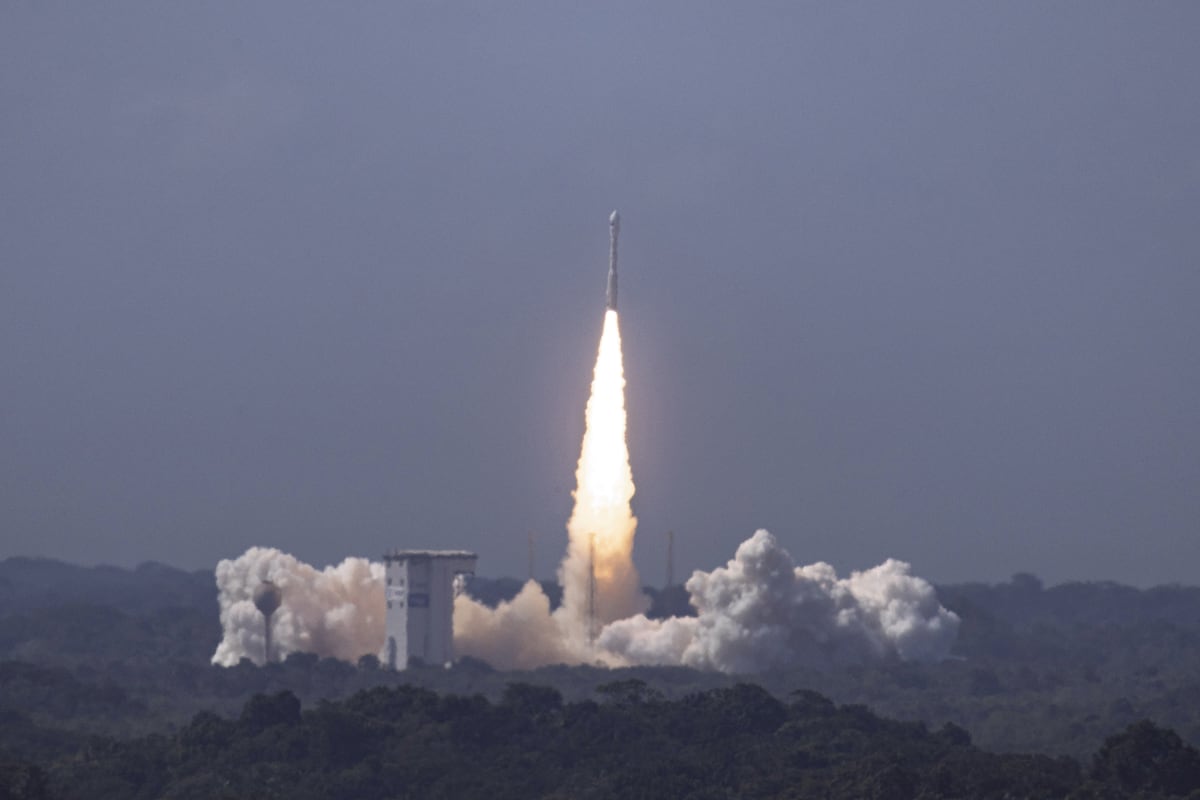
Why urgency has intensified
The economic logic behind the push is straightforward. Defense News cites analysis from the Center for Strategic and International Studies saying U.S. forces fired at least 1,060 to 1,430 Patriot missiles during the U.S.-Israeli war with Iran. At roughly $3.9 million per interceptor, that volume represents an enormous expenditure and, more importantly, a major drawdown of inventory. The report says that tally may have consumed about two-thirds of the United States’ pre-war Patriot stockpile.
That depletion matters far beyond one theater. Ukraine still depends on outside help for ballistic missile defense, and Defense News reports that ballistic missiles are the one threat Kyiv still needs help defeating and the one munition it has completely run out of. In other words, the supply problem is not abstract. It is now directly linked to whether countries can protect critical targets in active war zones.
This is also why cheaper systems matter even if they are not perfect substitutes for Patriot in every scenario. If new interceptors can be produced faster, sourced across more countries or deployed in greater numbers, they could help preserve the most advanced and expensive missiles for the hardest targets. That would not eliminate Patriot’s role, but it could reduce dependence on a single high-cost solution.
What could change next
The timeline remains aggressive. Defense News says some officials hope first prototypes from these new efforts could reach the battlefield by the end of 2026. That is far quicker than the normal pace associated with complex missile-defense programs and reflects how heavily current wars are compressing procurement timelines.
Still, the technical bar is unforgiving. Anti-ballistic defense tolerates little error, especially under saturation attack. Any newcomer will have to prove not just that it is cheaper, but that it can perform reliably under combat conditions. Manufacturing scale, supply-chain resilience, sensor integration and training demands will all shape whether these July announcements become lasting capability or remain aspirational programs.
Even so, the larger trend is clear. The anti-ballistic sector is moving from scarcity managed through premium systems toward a search for layered, more industrialized defenses. Patriot is not disappearing, and Lockheed Martin’s expanded production plan reinforces that. But the emergence of Freyja, the discussion of Ukrainian licensed production and the pressure to lower interceptor cost all point to a new stage in missile defense procurement.
Why this matters
- Ballistic missile defense is no longer just a technology challenge; it is now a production and cost challenge.
- Recent conflicts have exposed how quickly premium interceptor inventories can be consumed.
- Ukraine’s needs and allied stockpile pressures are forcing faster experimentation with new systems.
- The next competitive edge may come from missiles that are cheaper and easier to build, not only from those with the highest performance.
If even one of the new tracks produces a credible fielded interceptor in the near term, it could reshape how allies plan missile defense purchases for the rest of the decade.
This article is based on reporting by Defense News. Read the original article.
Originally published on defensenews.com