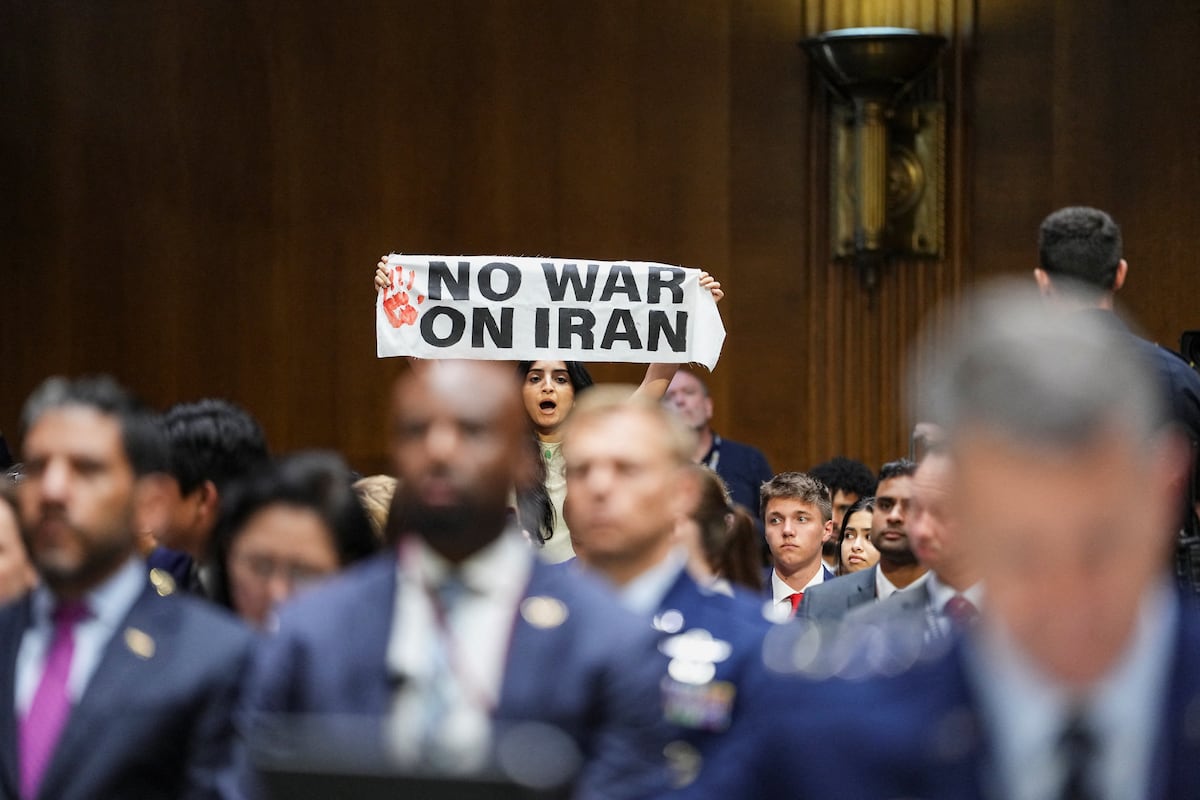
Public backing for the Iran war remains limited
American support for the war on Iran remains weak, according to a new Reuters/Ipsos poll reported by Defense News, with just one in three respondents backing the conflict. The survey also found broad uncertainty about the purpose of U.S. involvement, underscoring a political vulnerability for President Donald Trump as the fighting stretches on.
The poll, conducted from Friday through Sunday, found that 69% of Americans believe Trump has not clearly explained the goals of U.S. military involvement in Iran. That figure includes a notable share of Republicans, with the source text stating that four in 10 respondents from the president’s own party shared that view.
Those results point to a central problem for the administration: the war is no longer being judged only through the lens of national security claims, but also through public understanding of mission clarity, duration and cost. When majorities say they do not understand the objective, sustaining support becomes much more difficult.
Shifting war aims appear to be part of the problem
The source text attributes some of that confusion to Trump’s changing descriptions of the war’s purpose. The reported objectives have included helping Iranians topple their leaders, degrading Iran’s ballistic-missile capabilities and preventing Tehran from obtaining a nuclear weapon. Those are not interchangeable goals. Each implies a different scale of commitment, a different measure of success and potentially a different end state.
That matters politically because public tolerance for military action is often tied to whether voters think the mission is coherent. A campaign framed around deterrence can be understood differently from one that implies regime change. A conflict sold as a limited strike can be judged differently from a long war of attrition. The Reuters/Ipsos results suggest many Americans do not see a stable definition of what the United States is trying to achieve.
The White House response, as quoted in the source material, was to dismiss “fluid opinion polls” as the wrong basis for presidential decision-making and to restate Trump’s resolve to prevent Iran from acquiring a nuclear weapon. That answer reinforces one of the themes already visible in the polling: the administration is emphasizing resolve, while much of the public appears to be asking for clarity.
Historical comparisons sharpen the warning signs
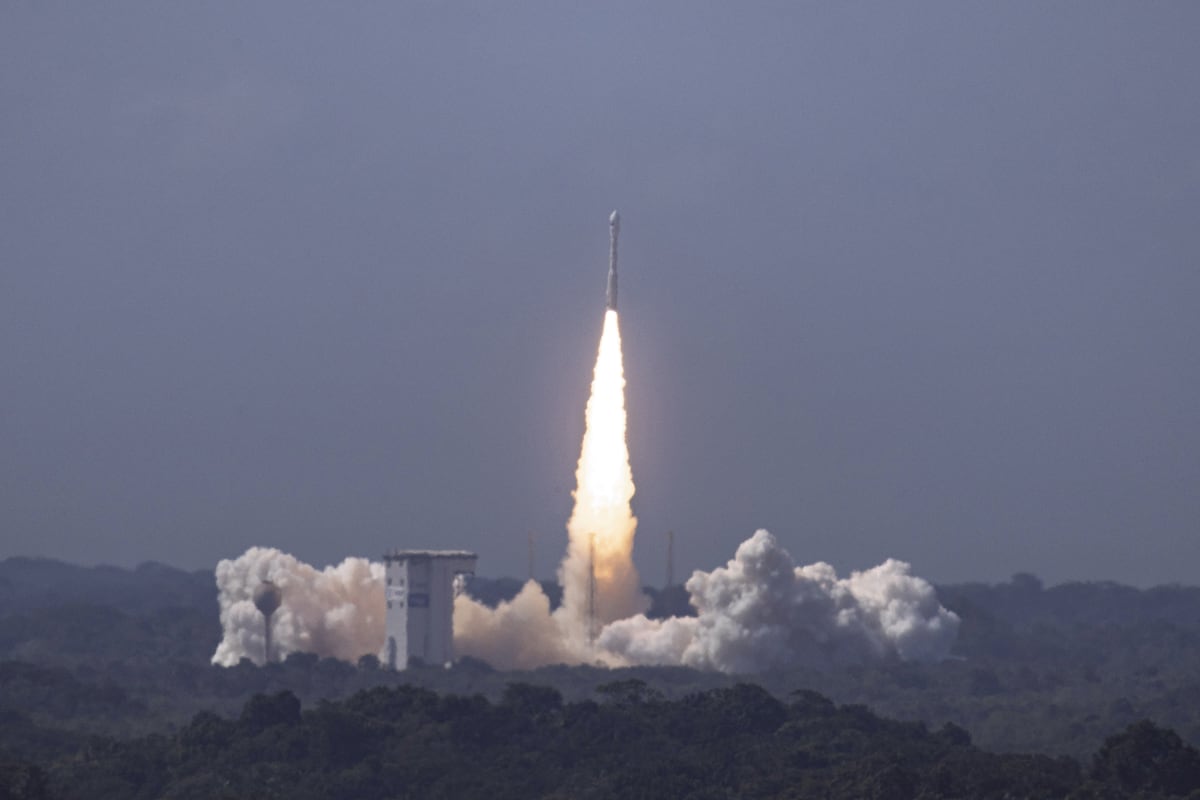
The reported level of support is especially striking when placed beside the opening phases of other recent U.S. wars. The source text says approval of the Iran conflict has stayed below 40% since the U.S. and Israel launched strikes on February 28, 2026. It contrasts that with roughly 70% support in the early months of the Iraq War and about 90% backing in the early days of the Afghanistan War, according to Gallup polling referenced in the report.
These are not like-for-like conflicts, and the source explicitly notes that each war had different context. Even so, the comparison is politically revealing. Modern presidents have often depended on an early rally effect to create room for military action. The Iran war, at least in the polling cited here, does not appear to have generated that broad initial consensus.
Instead, the administration is confronting skepticism while the conflict is still relatively young. That is a more precarious place to be, because it leaves less margin for setbacks, casualties or economic pain before public opinion hardens further.
Casualties, fuel prices and election pressure
The source text connects public discontent not only to strategic confusion but also to material consequences at home and on the battlefield. It reports that 18 American soldiers have died in the conflict so far, while thousands have been killed in Iran and Lebanon, where Iran-allied fighters have battled Israeli forces. Those losses ensure that the war is not an abstract foreign policy dispute; it is already carrying a visible human cost.
At the same time, the conflict has reportedly pushed gasoline prices to just over $4 a gallon nationwide, up from about $3 a gallon before the war began on February 28. That increase matters because fuel prices are one of the most immediate ways voters experience geopolitical turmoil. Even people who do not closely follow military developments notice higher costs when they fill up their cars.
The political timing compounds the risk. Republicans are heading toward November midterm elections while defending slim majorities in Congress, according to the report. A war that lacks majority support, carries casualties and is linked to higher consumer costs can become a drag not only on presidential approval but also on down-ballot candidates forced to defend or distance themselves from the administration’s decisions.
The poll did show Trump’s approval rating edging up to 37%, three points above the previous month, but that modest increase does not erase the separate warning in the war numbers. It is possible for a president’s overall rating to move for multiple reasons while a specific conflict remains unpopular. The poll’s central message is that support for the Iran war itself is limited and mission confusion is widespread.
A conflict with no clear political cushion
One of the most telling passages in the source report comes from a Republican voter and Marine Corps veteran who said he had “no idea” why the United States was at war with Iran. That comment is anecdotal rather than statistical, but it captures the broader pattern reflected in the poll: uncertainty is not confined to one ideological camp.
For the White House, the challenge is therefore twofold. It must manage the military realities of an ongoing conflict while also persuading the public that the mission is understandable, necessary and worth its costs. The Reuters/Ipsos findings suggest it has not yet done that.
As of August 2, 2026, the reported public mood is not one of broad mobilization behind the war. It is one of skepticism, incomplete explanation and concern about consequences. Unless that changes, the administration may find itself prosecuting a conflict abroad without the kind of durable domestic support that presidents usually seek when military commitments deepen.
This article is based on reporting by Defense News. Read the original article.
Originally published on defensenews.com