Introduction: The Cost-Cutting Paradox
In a bid to survive the rapidly evolving automotive landscape, Volkswagen has embarked on an aggressive cost-cutting campaign, slashing jobs and closing plants across the globe. However, a recent strategic move regarding its Scout brand has raised eyebrows: bypassing traditional franchise dealerships to sell directly to consumers. While this might seem like a logical step to reduce costs, it directly contradicts the company's stated goal of financial prudence. By alienating its established dealer network, Volkswagen risks undermining the very foundations of its sales and service infrastructure, potentially costing more in the long run than it saves in the short term.
The Cost-Cutting Drive at Volkswagen
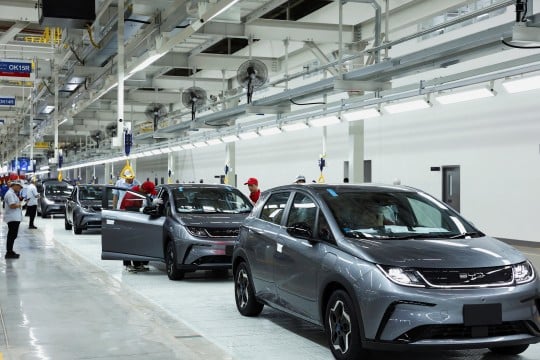
Volkswagen's cost-cutting measures are no secret. The company has announced plans to reduce its workforce by tens of thousands of positions and consolidate its manufacturing footprint, particularly in Germany, where high labor costs and energy prices have eroded profit margins. The goal is to save billions of euros annually to fund the transition to electric vehicles and compete with nimble startups and Chinese rivals. However, these cuts have been met with resistance from unions and concerns about long-term competitiveness. The company's approach has been to streamline operations, reduce administrative overhead, and optimize its supply chain. Yet, the decision to bypass dealerships for its Scout brand suggests a fundamental misunderstanding of where value lies in the automotive retail model.
The Scout Brand and Direct Sales Model
Scout Motors, a subsidiary of Volkswagen Group, is reviving the iconic Scout nameplate as an all-electric off-road SUV and pickup truck. To differentiate itself from traditional VW models, Scout has opted for a direct-to-consumer sales model, similar to Tesla and Rivian. This approach eliminates the need for franchised dealerships, allowing Scout to control pricing, inventory, and customer experience. While this model has its advantages, it also comes with significant drawbacks, including the need to build an entirely new retail and service network from scratch. Moreover, it creates a conflict with Volkswagen's existing dealer network, which has been a cornerstone of the company's success for decades.
The Value of the Dealer Network
Volkswagen's franchised dealers are not just sales outlets; they are integral to the brand's service and parts infrastructure. They provide local presence, customer relationships, and after-sales support that are difficult to replicate with a direct model. Dealers also absorb significant capital costs, such as real estate, inventory, and staffing, which would otherwise fall on the manufacturer. By bypassing dealers, Volkswagen must invest heavily in new showrooms, service centers, and logistics, negating some of the savings from cutting jobs and plants. Furthermore, dealers are often the first point of contact for customers, and their satisfaction directly impacts brand loyalty and repeat purchases. Alienating them could lead to a decline in customer service quality and a loss of trust in the brand.
The Contradiction in Strategy
Volkswagen's cost-cutting measures are designed to improve efficiency and profitability. However, the decision to bypass dealers for Scout sales works against this objective. The direct sales model requires significant upfront investment in infrastructure and technology, which could take years to recoup. In contrast, leveraging the existing dealer network would have been a more cost-effective approach, allowing Scout to piggyback on established facilities and expertise. Moreover, the move sends a negative signal to dealers, who may feel undervalued and less motivated to promote VW and Scout products. This could lead to reduced sales volumes, further exacerbating the financial pressures the company is trying to alleviate.
Historical Precedents and Industry Trends
The automotive industry has seen a shift towards direct sales models, particularly among new entrants like Tesla and Rivian. These companies have built their brands from scratch, without the burden of legacy dealer networks. However, traditional automakers like Ford and General Motors have faced legal battles and dealer backlash when attempting to adopt similar models. Volkswagen itself has had to navigate complex franchise laws in various states, which often protect dealers from manufacturer encroachment. By attempting to bypass these laws for Scout, Volkswagen risks legal challenges and regulatory hurdles that could delay product launches and increase costs. The company must weigh the potential benefits of direct sales against the legal and operational risks.
The Impact on Customers and Communities
Dealerships play a vital role in local communities, providing jobs and economic activity. By cutting jobs and closing plants, Volkswagen is already impacting communities, particularly in Germany. Bypassing dealers for Scout sales could further reduce the number of dealerships, leading to job losses and reduced tax revenues. Moreover, customers who prefer to see, touch, and test drive vehicles before purchasing may find the direct sales model less convenient, especially in rural areas where dealerships are often the only point of contact. This could hurt Scout's sales potential, particularly among the off-road enthusiasts who are the target market for the brand. A lack of local service centers could also deter buyers who worry about maintenance and repairs.
Long-Term Consequences for Volkswagen
In the long run, Volkswagen's decision to bypass dealers for Scout could undermine its overall brand equity. The company has built its reputation on reliability, quality, and a strong dealer network. By alienating dealers, Volkswagen risks losing their advocacy and support, which could lead to a decline in customer satisfaction and loyalty. Additionally, the direct sales model may not be as efficient as anticipated, as the company will need to invest in customer service infrastructure, including call centers and mobile service units. These costs could offset any savings from cutting jobs and plants. Furthermore, the move could set a precedent for other VW brands, leading to a gradual erosion of the dealer network across the entire group, which would be a strategic disaster.
Conclusion: A Misguided Approach
Volkswagen's cost-cutting measures are necessary to remain competitive, but the decision to bypass franchise dealerships for Scout sales is a misguided approach that works against the company's own interests. By alienating its dealer network, Volkswagen is sacrificing a valuable asset that has contributed to its success for decades. The company should instead work with its dealers to find mutually beneficial solutions, such as innovative showroom concepts or hybrid sales models that combine the efficiency of direct sales with the local presence of dealerships. Only by aligning its cost-cutting strategies with its retail infrastructure can Volkswagen achieve sustainable profitability and maintain its position as a global automotive leader.
This article is based on reporting by Automotive News. Read the original article.
Originally published on autonews.com