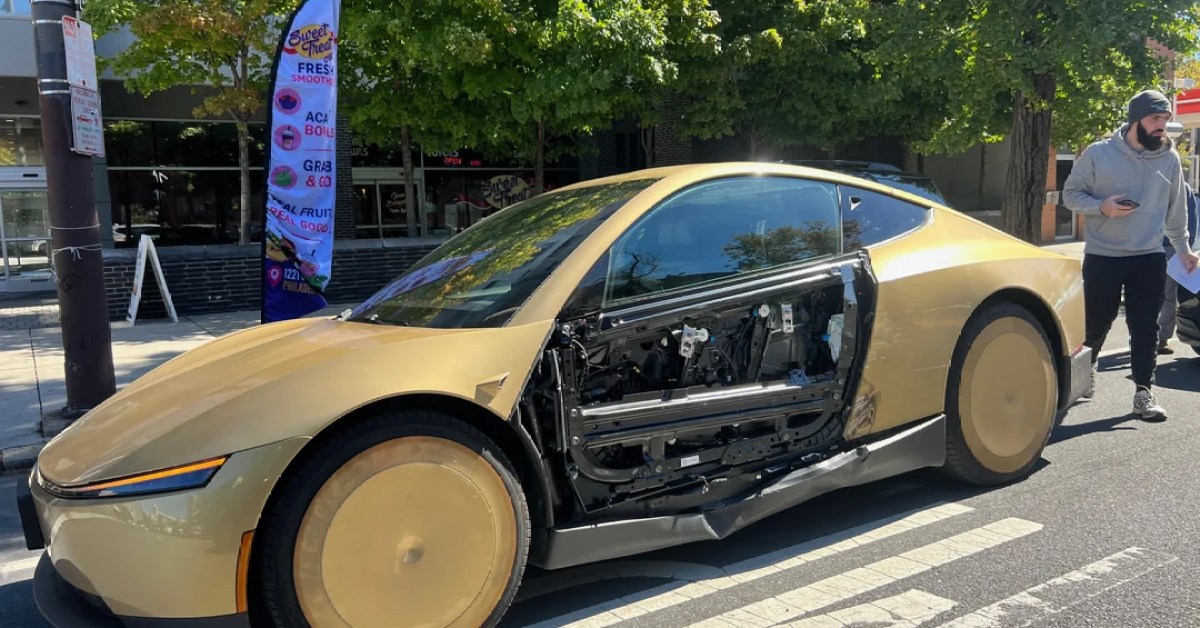
The electric vehicle world had its eyes glued to screens this week as Tesla finally took the wraps off its long-rumored Cybercab. The presentation was a spectacle of polished visuals and bold claims, crafted to dominate the news cycle. Yet when the initial wave of excitement subsided, a more skeptical tone began to emerge. The event, for all its polish, appeared to leave more questions than answers, challenging the notion that any publicity is good publicity.
The Buzz vs. The Details
Tesla is no stranger to grand unveilings. From the Cybertruck to the Semi, the company understands how to create a media moment. The Cybercab launch was no different, drawing coverage from every major technology and automotive outlet. Press mentions skyrocketed, social media buzzed, and analysts scrambled to interpret the implications.
But in the aftermath of the smoke-and-lights show, many industry insiders and EV enthusiasts began to ask a pointed question: what exactly did we learn? The event seemed designed to generate excitement rather than provide clarity. Investors and potential customers were left with a vision for the future, but the roadmap to get there remained foggy at best. According to the latest episode of the Quick Charge podcast, this void of information is becoming a serious problem.
Quick Charge, a popular fixture for EV news and commentary, took on the Cybercab event with a mix of enthusiasm and scrutiny. The hosts challenged the idea that all press is good press, arguing that when coverage is driven by buzz rather than substance, it can ultimately undermine trust and credibility. If the public is promised a revolutionary product without the underlying details to back it up, the initial excitement can easily morph into skepticism.
What We Still Don't Know
The most striking aspect of the Cybercab event was not what was revealed, but what was left unsaid. The Quick Charge team highlighted several critical gaps that remain after the presentation. These are not trivial omissions; they are fundamental questions that any new vehicle platform, especially one promised to be fully autonomous, must address:
- Production Timeline: While the event showcased a sleek vehicle, concrete details about when the Cybercab would enter production were surprisingly scarce. Is it a prototype concept or a near-production model? Without a schedule, consumers and investors are left guessing.
- Regulatory Route: Deploying a driverless vehicle at scale is not just a technical challenge; it is a regulatory maze. Questions about which markets will be targeted first and how Tesla intends to win over cautious regulators remain unanswered.
- Technology Readiness: Autonomous driving has seen many promises fall short. The event offered little in the way of substantive evidence that the underlying software has reached a level where it can handle the unpredictability of public roads without constant supervision.
- Safest Destination: Among the most pressing gaps is the need for a clear expansion timeline. While the long-term goal is well known, the route to reaching that point is still uncharted.
- Business Model: How will the Cybercab generate revenue? Will it be sold to consumers, operated by Tesla, or deployed through a ride-hailing network? Each approach carries different financial and operational implications.
Each of these unanswered points contributes to a growing feeling that the event was more of a showcase than a definitive announcement. As the Quick Charge hosts noted, filling the void with speculation and hype does not serve the industry well.
The 'All Press Is Good Press' Fallacy
There is a long-standing belief that any attention, even negative attention, is beneficial. In the entertainment world, that can sometimes hold true. But for emerging technology, especially something as consequential as autonomous vehicles, the calculus is different. Public perception is closely tied to trust, and trust cannot be manufactured with light shows alone.
The Cybercab event generated an immense amount of press, but if the narrative shifts from 'exciting new robotaxi' to 'another empty Tesla promise,' the long-term damage could be significant. The hosts on Quick Charge explored how the industry has seen this pattern before. High-profile claims that fail to materialize can create a shadow of doubt that affects not just the company, but the entire sector.
Moreover, the media cycle today is fast and merciless. If the next few months of reporting on the Cybercab are dominated by unanswered questions and a lack of updates, the positive press generated this week will not matter. The more pressing issue is not whether the Cybercab was covered, but what that coverage will look like by the time the next major deadline for the robotaxi project arrives.
A Missed Opportunity
The launch also represented a missed opportunity to engage with real concerns and demonstrate leadership. Instead of presenting a clear plan that would reassure skeptics, the event left the floor open to speculation. This is where the Quick Charge discussion becomes particularly relevant: good press is built on good information, and the absence of information is an open invitation for critics to fill in the blanks with doubt.
By not providing concrete answers, Tesla allowed the news cycle to be dictated by others. Headlines that could have celebrated a technological breakthrough turned into stories about uncertainty and unfulfilled promises. This is not to say the Cybercab is destined to fail, but the launch event itself may represent a misstep in how the company communicates and sets expectations.
The Road Ahead for Autonomous Mobility
Autonomous vehicles have the potential to revolutionize transportation, making it safer, more efficient, and more accessible. But that revolution requires meticulous engineering, rigorous testing, and a transparent dialogue with the public. Events like the Cybercab launch only serve to raise the stakes. When the industry's leading player makes bold claims, the entire ecosystem is placed under the microscope.
It is still early in the Cybercab's journey, and there is ample time for the company to fill in the remaining gaps. But as the Quick Charge episode points out, the window of opportunity is not infinite. The audience is paying attention, and the questions are piling up. What the EV community needs now are answers, not more press releases.
The next few months will be telling. Will the company follow up with a detailed implementation plan, or will the noise from this event simply dissolve into the background? If the latter happens, the question of whether all press is good press will have been answered emphatically: the wrong kind of press can be a serious setback for the entire autonomous driving movement.
A Call for Clarity
For now, the ball is in Tesla's court. The Cybercab event created a wave, but it also created a responsibility to deliver on promises. To maintain credibility, the company will need to open up about its technological progress, regulatory discussions, and production goals. The public has seen too many flashy reveals that led nowhere to blindly accept another one at face value.
The discussion on Quick Charge serves as a useful reminder to the industry as a whole: reliable press is built on reliable facts. Buzz is fleeting, but trust endures. For the promise of autonomy to become a reality, the industry must be held to a higher standard. And that starts with clear answers to the very questions this week's Cybercab event left hanging in the air.
This article is based on reporting by Electrek. Read the original article.
Originally published on electrek.co