Volkswagen’s Restructuring Plan: A Unanimous, Yet Cautious, Approval
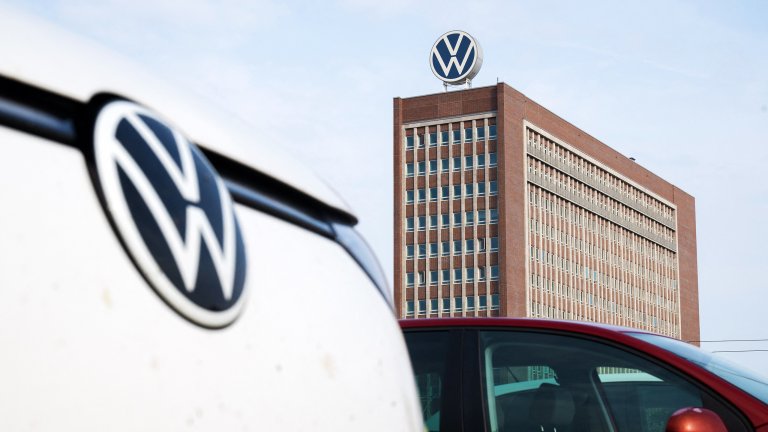
Volkswagen’s supervisory board has reached a decisive milestone by unanimously supporting a sweeping transformation strategy. The move signals a rare convergence of interests among the company’s labor, shareholders, and political stakeholders, all of whom recognize that the status quo is untenable in a rapidly changing automotive landscape. However, the approval comes with an important caveat: the most consequential and potentially painful elements of the plan have been deferred. This separation between roadmap and execution is a deliberate tactic to maintain forward momentum while allowing time to build consensus around tougher measures.
The "Future Plan 2030," as referenced in the title of the podcast episode, appears to be the umbrella for these efforts. While the board has validated the general direction, the devil lies in the details that are yet to be negotiated. Hard choices—such as the future of certain production sites, workforce adjustments, or the reallocation of capital between traditional and emerging technologies—are likely on the agenda for later discussions. In many ways, this is a classic case of corporate governance: securing approval for the end state before determining the most difficult route to get there.
The unanimous vote is a strong signal of solidarity. Yet it also raises the stakes for management, which must now translate a broad vision into concrete, credible plans that can survive the scrutiny of investors and employees. Analysts will be watching closely to see how VW addresses the structural issues that have bedeviled it for years: lengthy product development cycles, software challenges, and the enormous costs of its electrification push. By kicking the can down the road, the company risks being seen as stalling, but the approach also provides vital breathing room to negotiate with works councils and state governments.
Ford’s Quality Surge: Regaining Consumer Trust
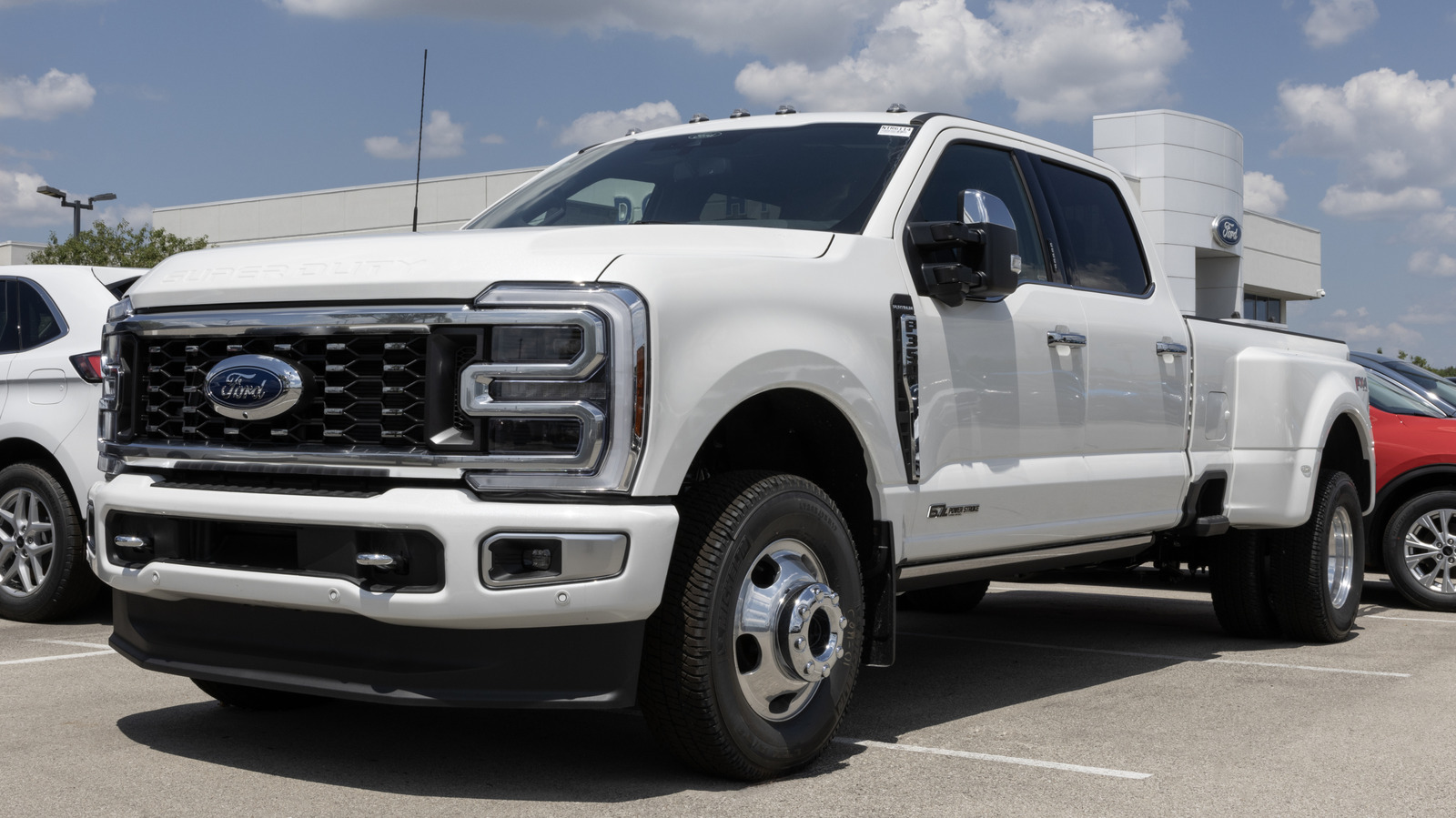
On the other side of the Atlantic, Ford has reportedly been making substantial improvements in product quality. The term "quality surge" suggests a notable uptick in reliability rankings, fewer recalls, and stronger scores on independent quality measures. This is a critical area for the American automaker, which has historically struggled with quality perception compared to imports.
Ford’s renewed focus is likely a response to both internal diagnostics and competitive pressure. In an era where vehicles are increasingly defined by software and electric architecture, quality issues can be amplified across over-the-air updates and shared platforms. A single significant defect can taint an entire fleet or brand line, making quality a board-level issue. Ford’s management appears to be taking this seriously, with an emphasis on cultural change that prioritizes doing things right the first time.
For consumers, quality gains translate into something tangible: peace of mind. But they also have direct consequences for automakers’ balance sheets. Warranty costs, recall logistics, and damage to brand loyalty can cost billions of dollars and years of trust. By plotting a quality turnaround now, Ford is investing in a foundation that will support its ambitious EV and connectivity plans. It is a strategic bet that may not show immediate blockbuster results but could pay dividends over the long haul.
Different Paths, Common Strategic Pressures
While VW and Ford are pursuing different initiatives, their underlying situations reflect a broader transformation within the automotive industry. All legacy manufacturers are being forced to adapt to electrification, autonomous driving, and new mobility business models. These mega-trends demand massive capital expenditures while compressing traditional profit pools. In this environment, neither restructuring for future competitiveness nor focusing on current quality can be ignored.
Volkswagen, as a global conglomerate with multiple brands, faces the complexity of aligning its portfolio with future profitable growth. Its restructuring plan is thus an attempt to future-proof its entire ecosystem. Ford, with a simpler brand structure, is able to zero in on operational excellence as a strategic lever. Both approaches are complementary in a broader sense; one is aimed at rearranging the operating model, the other at polishing the product itself.
For automotive executives, these stories serve as a reminder that strategy and execution are inseparable. A brilliant plan is only as good as its implementation, and a flawless execution of the wrong plan is equally wasteful. VW’s deferred hard decisions and Ford’s quality discipline each highlight a specific dimension of leadership.
Key Elements of Successful Corporate Turnarounds
Based on the developments mentioned, we can identify several elements that contribute to both restructuring and quality enhancement programs. While the following list is general, it helps contextualize what VW and Ford are tackling:
- Governance Alignment: Obtaining board approval, as VW has done, creates a top-down mandate for change.
- Timely Decision-Making: Deferring the hardest choices may be pragmatic but can also lead to uncertainty if prolonged.
- Process Integrity: For Ford, quality depends on the reliability of every step from engineering to assembly.
- Sustained Investment: Both efforts require funding even when short-term returns are not apparent.
- Cultural Shift: Lasting change requires buy-in from the entire workforce, something neither company can mandate through board fiat.
This list is not exhaustive, but it offers a lens through which to view the announcements.
What’s Next for Two Automotive Giants
The coming months will be telling for Volkswagen as it begins to present the more granular aspects of its plan. Investors will listen for specifics on how it intends to achieve cost reductions and where it sees future growth. Similarly, Ford will need to consistently demonstrate with data that its quality gains are durable and not merely a statistical blip.
In a sense, both companies are engaged in a race: VW is racing to shrink the gap between vision and execution in its long-term competitiveness, while Ford is racing to close the gap between its current product quality and customer expectations. The recent updates covered in the Weekend Drive podcast suggest that both are heading in the right directions, though the road ahead remains challenging.
Ultimately, these two narratives from the latest episode of Automotive News' Weekend Drive represent the dual nature of the auto industry’s evolution—transformation and refinement. Watch for further developments as each automaker moves forward with its own brand of renewal.
This article is based on reporting by Automotive News. Read the original article.
Originally published on autonews.com