eBay moves to shut down a risky corner of the auto-parts market
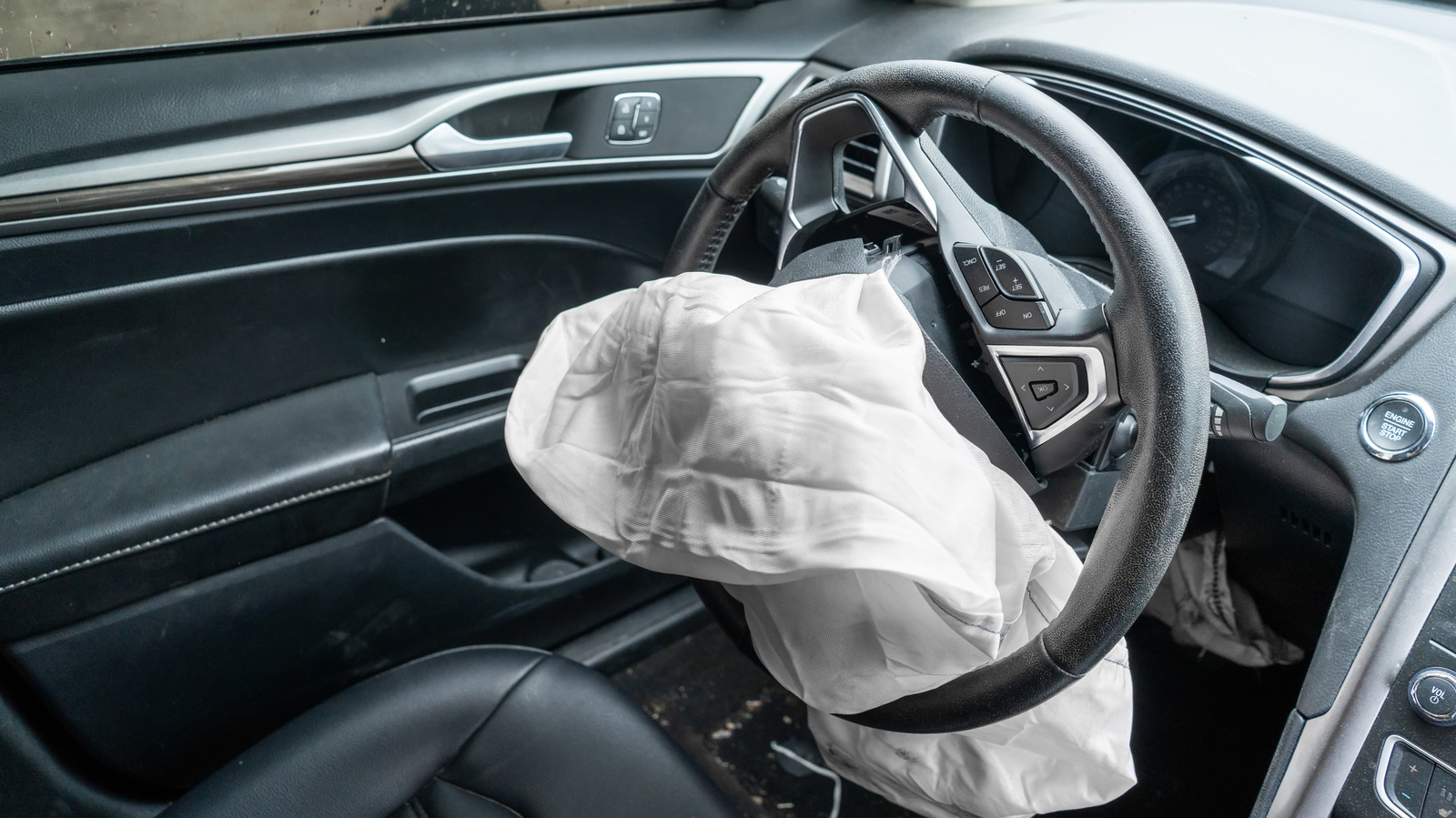
eBay says it will stop allowing the sale of airbags, airbag inflators, and steering wheel airbag covers on its marketplace effective September 24, 2026. The company said the decision followed a broad review of the risks those products may pose to users. On its face, the policy change is a marketplace rules update. In practice, it is a notable shift in how a major e-commerce platform is responding to a category of vehicle parts where counterfeit products can carry life-or-death consequences.
The issue is not that airbags are ordinary replacement items moving through a messy online resale channel. The problem described in the supplied reporting is that counterfeit airbags have repeatedly entered the market, been sold online, and then been installed in vehicles without owners realizing what they were getting. That makes the category unusually hard to police. A fake cosmetic product or mislabeled accessory can create consumer harm, but a counterfeit airbag can fail in the precise moment a safety system is supposed to work. That distinction helps explain why eBay appears to have concluded that tighter seller controls were no longer enough.
What pushed the decision
According to the source material, the ban comes amid growing pressure tied to counterfeit airbag sales and questions about where those parts are originating. The report says that despite increasing restrictions over the years on which sellers were approved to list airbags, counterfeits still reached the platform. That suggests a structural moderation problem rather than a small enforcement gap. A marketplace built for scale and open participation is well suited to many used parts categories. It is much less suited to products that demand chain-of-custody confidence, technical verification, and near-zero tolerance for fraud.
The case cited in the source text shows why the issue has become so difficult to treat as a routine compliance matter. One counterfeit airbag was reportedly installed in a 2020 Chevrolet Malibu owned by Destiny Byassee. In a later crash, the airbag exploded and killed her instead of protecting her. Her estate sued manufacturer DTN as well as eBay, arguing the listing should have been reviewed and rejected. A judge dismissed eBay from the suit because the company did not create the listing or directly handle the counterfeit unit. DTN, however, was found liable for $603 million in damages.
Even with that legal outcome, the broader message for online marketplaces is clear: a platform may avoid direct liability in a particular case and still face intense regulatory and reputational pressure if dangerous counterfeit safety parts continue to circulate through its systems. In categories involving vehicle restraint systems, the distance between hosting a listing and enabling harm can look much shorter in the public eye than it does in legal doctrine.

Regulatory scrutiny is part of the backdrop
The supplied report also says the National Highway Traffic Safety Administration issued a Special Order to eBay seeking information about several accounts that had sold DTN airbags. NHTSA also requested information about approved sellers, general listing policies, and procedures specific to counterfeit airbags. The agency had not accused eBay of wrongdoing, based on the text provided, but the inquiry matters. Once a federal safety regulator is gathering detailed information about how a marketplace handles a dangerous parts category, the operating environment changes.
That does not automatically mean a ban is the only possible policy response. But it does mean the cost of continuing the business rises. A platform would need to demonstrate that its seller vetting, authenticity checks, recall screening, and enforcement processes are strong enough to keep counterfeit airbags out of circulation. The supplied reporting indicates that this was not a confidence eBay could maintain.
Why this matters beyond one product category
The airbag decision could become a reference point for how online platforms treat other safety-critical automotive components. Airbags occupy a special place because they are both highly regulated and difficult for ordinary buyers to authenticate. A counterfeit unit can appear legitimate at purchase and remain undetected until a crash. That combination makes marketplace trust especially fragile.
At the same time, used auto parts remain an important and legitimate market. The source text notes that eBay has long been a major venue for used components, and that anyone can create an account and list items. That openness is part of the marketplace’s value. It supports affordability, parts reuse, and access to hard-to-find components. The problem is that openness also creates an entry point for bad actors in categories where inspection by photos, seller history, or standard listing review may not be enough.
The Automotive Recyclers Association, according to the supplied text, said it respected eBay’s decision even while expressing disappointment that the program was ending. The association also said eBay had worked with it over the years on safety, training, certification, recall verification, and compliance standards designed to protect consumers and support responsible recycling. That reaction is notable because it suggests the shutdown was not simply a unilateral retreat from an ignored category. It followed an extended effort to build safeguards with industry input.
If that reading is correct, then eBay’s move is less a sudden policy swing than a conclusion: even with structured collaboration and additional controls, the marketplace model may still be too porous for airbag commerce at the scale eBay operates.
What changes on September 24
After the new policy takes effect, buyers who previously used eBay to source airbags or related components will need to turn elsewhere. For legitimate recyclers and certified sellers, that likely means the loss of a major online distribution channel. For consumers, the immediate effect may be inconvenience and potentially higher prices through narrower channels. But the safety rationale is difficult to ignore given the counterfeit history described in the reporting.
The larger takeaway is that not every product category fits comfortably inside a general-purpose marketplace, especially when authenticity failures can be fatal. eBay’s decision appears to recognize that reality. In an era when platforms often prefer more verification and moderation over outright prohibitions, a full category ban stands out. It is an admission that some risks are not easily reduced by better rules at the margins.
Whether other marketplaces follow with similar restrictions remains to be seen. What is already clear is that airbags are no longer being treated as just another used part listing. For eBay, they have become an unacceptable safety exposure, and the September 24 cutoff formalizes that judgment.
This article is based on reporting by Jalopnik. Read the original article.
Originally published on jalopnik.com