Introduction: The Pony Car Myth
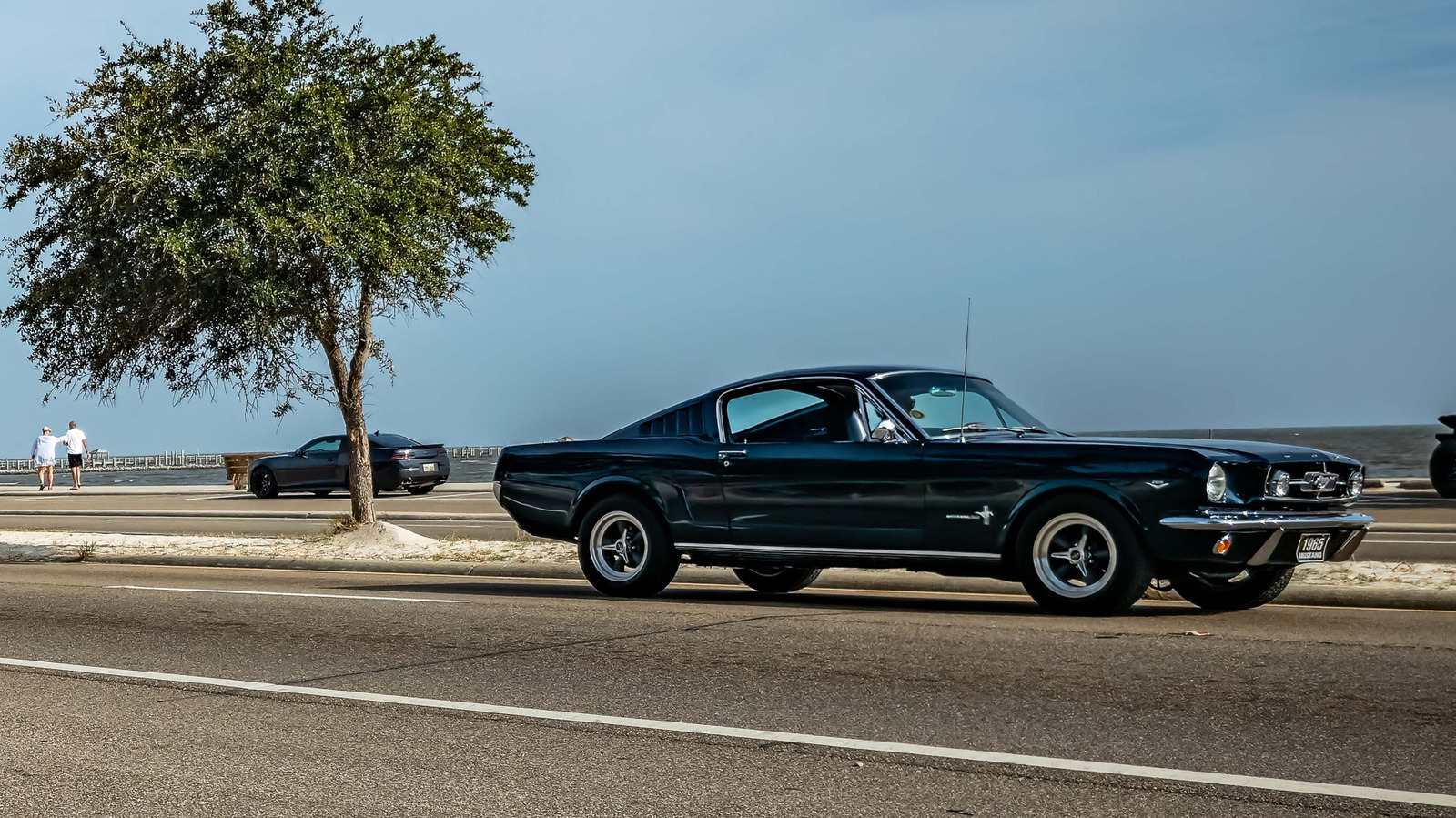
When Ford introduced the Mustang on April 17, 1964, it didn't just launch a car; it created a whole new segment. The pony car was born, and Ford reaped the rewards. In less than two years, the company sold over a million Mustangs. The model has been in continuous production for 62 years, a testament to its enduring appeal. Over the decades, rivals have tried to capture the same magic. The Dodge Challenger, Chevrolet Camaro, and AMC Javelin all had their moments. But today, the Camaro and Challenger are gone, leaving the Mustang as the sole American standard-bearer. Yet, despite this American success story, the pony car is not an exclusively American idea. As one Jalopnik writer argues, the formula has been independently developed by automakers in Italy, Japan, Australia, England, and Germany. The pony car, it turns out, is a global phenomenon.
What Defines a Pony Car?
Before exploring the global examples, it's worth clarifying what makes a pony car. The definition isn't as rigid as some might think. According to the author, the basics are fairly obvious: a stylish two-door with a long hood and short deck, a V8 engine, and an intangible cool factor. The engine doesn't have to be the biggest or most powerful, but it must be a V8. This is a key distinction from a muscle car. A muscle car is typically a small car that receives the big engine from its larger siblings, often with styling as an afterthought. The priority is speed. A pony car, by contrast, balances style and performance. Many pony cars are also muscle cars, but not all muscle cars are pony cars. Think of it as a subset: all pony cars have muscle, but not all muscle cars have the pony car's specific design language.
- Body style: A stylish two-door coupe or fastback.
- Proportions: Long hood, short deck.
- Engine: A V8, though not necessarily the largest available.
- Vibe: It has to be cool.

The American Pony Car Landscape
The Mustang's early dominance is hard to overstate. Ford sold over a million units in less than 24 months, a feat that competitors struggled to match. Over the years, the Challenger, Camaro, and Javelin came and went. Some, like the Camaro, had multiple lives. But the market has shifted. Today, the Camaro and Challenger are discontinued. Only the Mustang remains, carrying the torch for American pony cars. That doesn't mean the category is dying; it means the competition has changed. Enthusiasts still crave the combination of V8 power and rear-wheel-drive fun. The question is whether that demand can be met by American manufacturers alone. The answer, according to the author, is no.
Global Pony Cars: A Worldwide Phenomenon
The author makes a bold claim: America does not hold a monopoly on the pony car. In fact, such vehicles have been independently evolved by the Italians, the Japanese, the Australians, the English, and the Germans. That's five nations, each with its own automotive culture, and each producing vehicles that fit the pony car mold. The author identifies six specific examples from around the world. While the source text only details one, the existence of the others is a clear indication that the formula translates across borders. The pony car isn't about nationality; it's about a set of design and engineering principles that resonate with drivers everywhere.
The Holden Monaro: Australia's V8 Icon
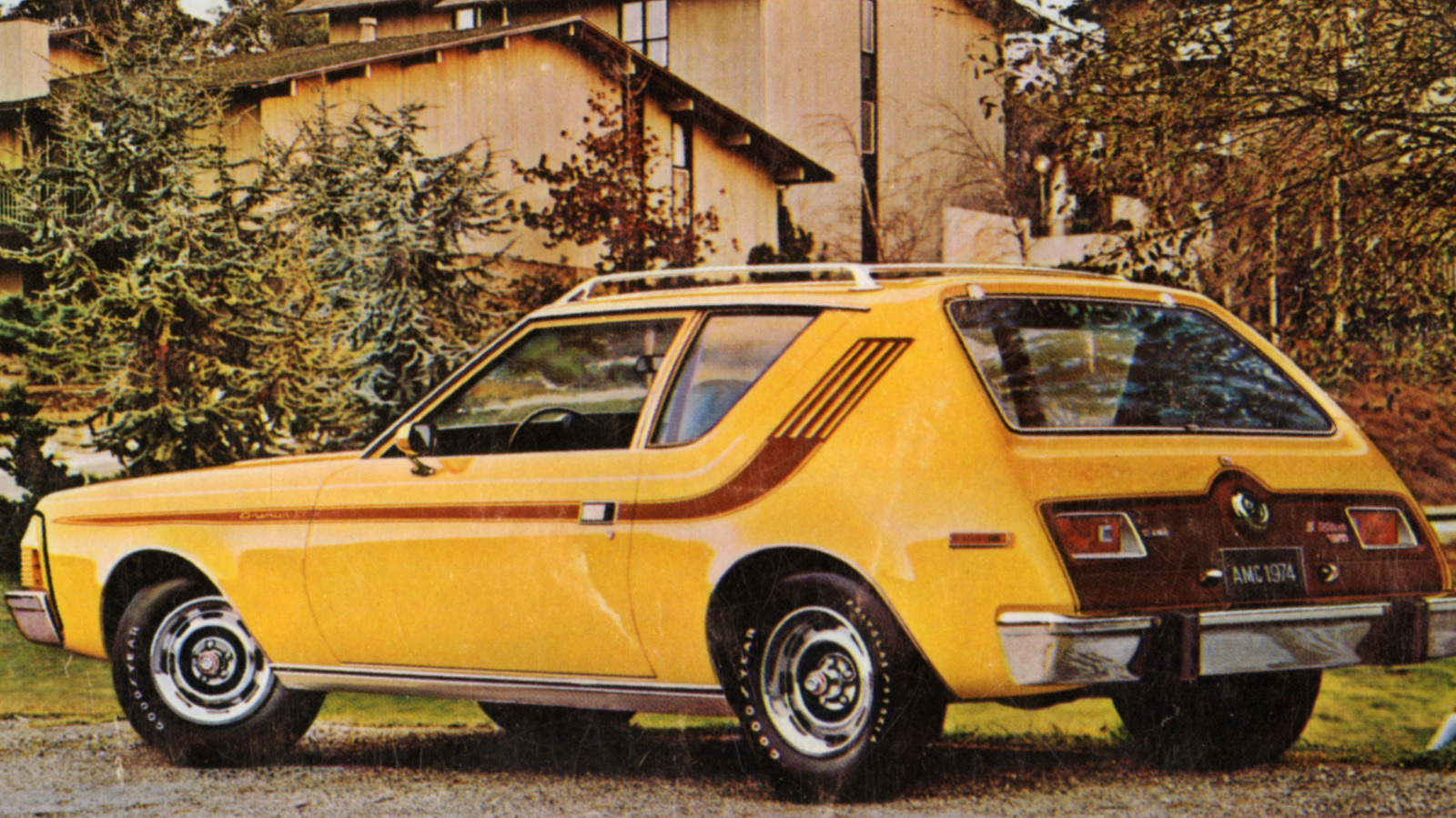
The most detailed example in the source is the Holden Monaro. If you're a pony car enthusiast, you might already know it. You've likely seen a few cruising American highways with Pontiac badges. That's because the Monaro was built in Australia and imported to the U.S. as the Pontiac GTO. Holden was the Australian subsidiary of General Motors, and the Monaro was one of its most famous products. The brand is now defunct, but it was once an antipodean icon. The author notes that Australians have always had a knack for being better at acting American than Americans do. They love their V8 engines, their rear-wheel drive burnouts, and looking cool while doing it. The Monaro is a perfect expression of that culture.
The Monaro dates back nearly as far as the pony car itself. It first hit the market in 1968, just four years after the Mustang. Holden initially set about developing its own compact V8 to fit in the diminutive Monaro. However, the company eventually settled for a Chevy small block when it found a way to get the engine to fit. That decision didn't hurt the car's appeal. The Monaro became a legend in Australia and gained a following in the U.S. as the GTO. It proved that a pony car could come from anywhere.
Why the Pony Car Formula Travels Well
The pony car's core ingredients are universal. A V8 engine provides the soundtrack and thrust that enthusiasts crave. Rear-wheel drive offers a classic driving dynamic. A two-door body with a long hood and short deck creates a sporty, aggressive stance that turns heads. These elements aren't tied to any particular country. They can be adapted to local tastes and regulations. In Australia, the Monaro was a hit because it matched the country's love of V8s and burnouts. In Italy, Japan, England, and Germany, automakers have their own takes on the formula. Some might emphasize handling over straight-line speed. Others might focus on luxury or technology. But the essence remains: a stylish, V8-powered two-door that's cool to drive.
The Current State and Future of the Pony Car
In the U.S., the pony car market is narrower than it once was. The Mustang stands alone. But that doesn't mean the category is dead. The global examples show that the spirit lives on. The author's list of six non-American pony cars demonstrates that the concept isn't tied to Detroit. The Monaro, for instance, was successful enough to be rebadged and sold in America. That suggests that enthusiasts are open to pony cars from anywhere, as long as they meet the criteria. The future might see more global models entering the market, or it might see the Mustang continue as the last American holdout. Either way, the pony car will endure as a global idea.
Conclusion
The pony car is not an exclusively American invention. While the Mustang defined the genre and remains the sole survivor among American offerings, the formula has been embraced worldwide. From Australia's Holden Monaro to vehicles from Italy, Japan, England, and Germany, the V8 two-door with style and attitude has proven to be a global phenomenon. The next time you see a pony car, don't assume it's from Detroit. It might just be from Melbourne, Turin, or Tokyo. The author invites readers to share their own non-American pony car thoughts in the comments, continuing the conversation about what makes a pony car truly special.
This article is based on reporting by Jalopnik. Read the original article.
Originally published on jalopnik.com