Nissan is resisting a purely retro GT-R
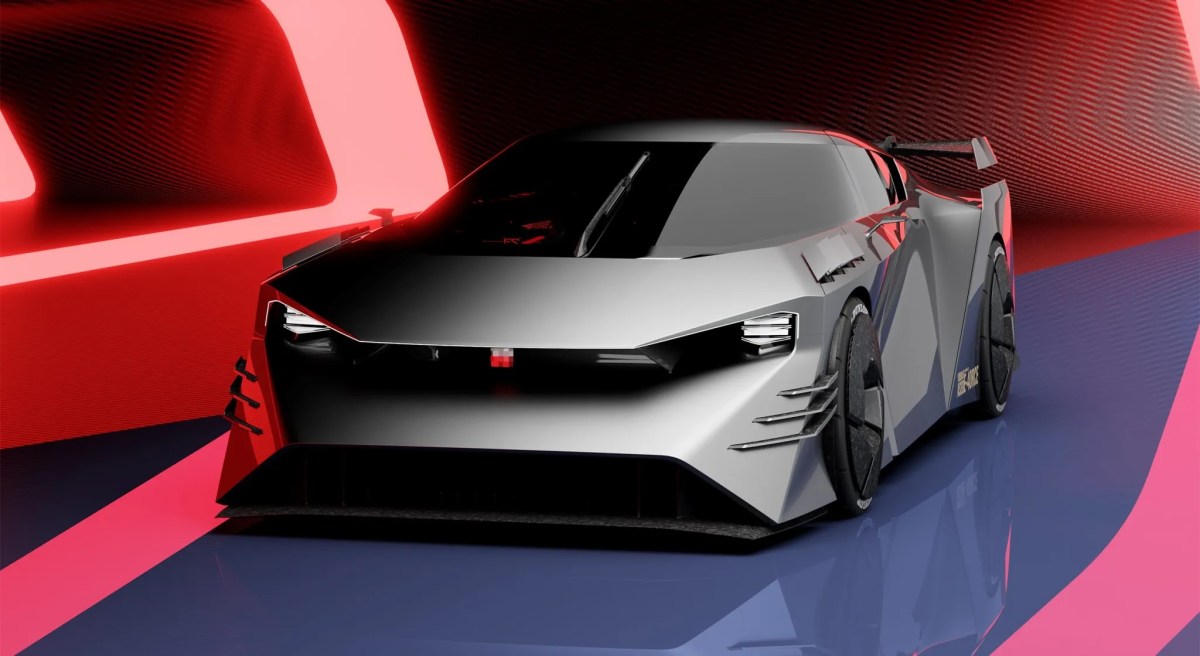
Nissan’s next GT-R may borrow from the model’s past, including the possibility of round headlights, but the company does not expect the car to become a straightforward retro revival.
Speaking at the 2026 Los Angeles Auto Show, Ponz Pandikuthira, Nissan North America’s senior vice president and chief planning officer, told The Drive that the company is still far from locking down the design of a potential next-generation GT-R. The central challenge, he said, is to create a car that looks contemporary and can remain appealing for a long production life.
The comments add detail to a growing outline of Nissan’s R36-era thinking. Earlier in the week, Nissan global design chief Matthew Weaver told Japanese publication Best Car that an R36 could have round headlights. That remark quickly invited comparisons with earlier GT-R generations and expectations of a design built around nostalgia.
Pandikuthira’s response was more measured: Nissan may use retro elements, but it does not expect the car to be “purely retro” or to simply look old.
A design intended to last well beyond launch
Nissan is considering a production timeframe beginning around 2030 or 2031. Pandikuthira said the company wants the next GT-R to remain viable potentially until 2045. That unusually long horizon shapes the design discussion.
The outgoing R35 GT-R had an exceptionally long run, produced from 2007 through 2024. Pandikuthira said Nissan does not want to create something that becomes polarising or loses its appeal after only a few years. In that context, a familiar reference such as round lamps is not necessarily a commitment to reproducing a historical model’s appearance.
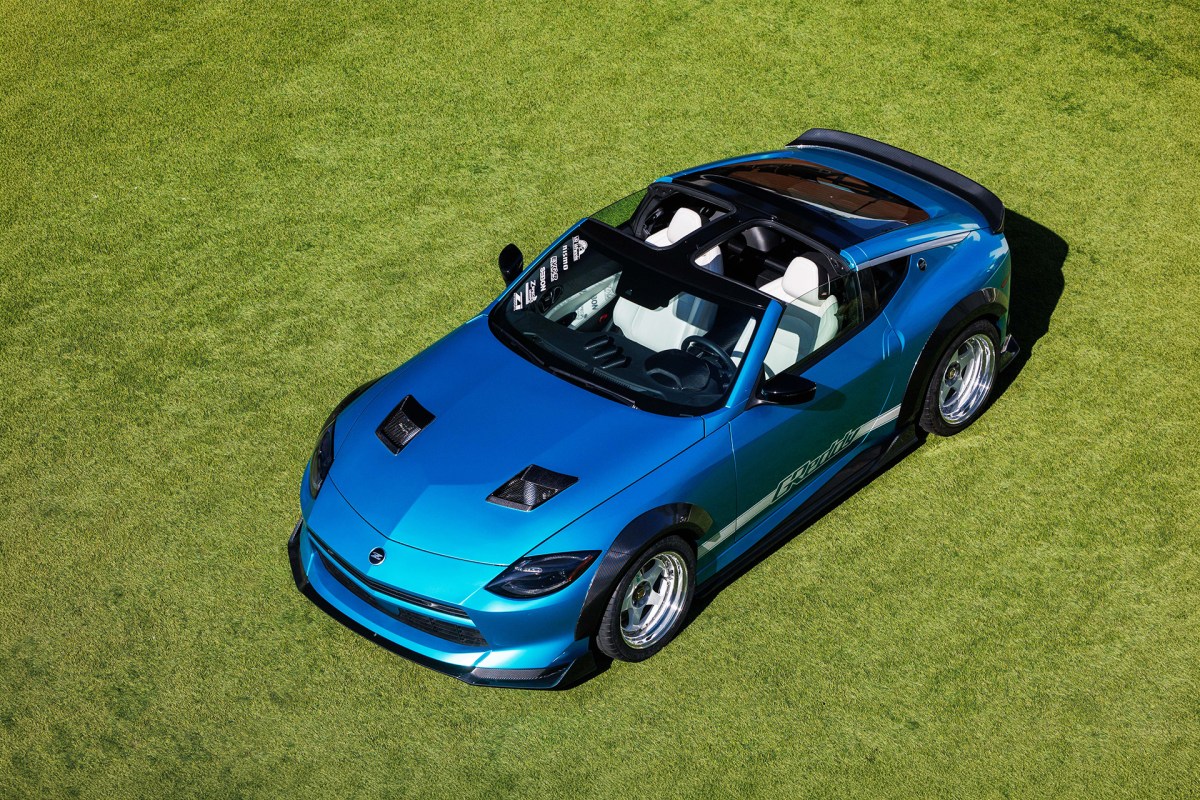
“Retro” and “modern” are not mutually exclusive in Nissan’s view. Pandikuthira said there are ways to use round lighting in a design that still looks current, pointing to a concept of a Z with recessed round headlamps circulating in Japan as an example of an approach he likes. The intended direction is a car that uses heritage as an ingredient rather than as its entire identity.
That is a commercially practical stance for a halo model expected to represent Nissan over a long period. Styling may need to be distinctive enough to signal GT-R lineage, but flexible enough to avoid being tied too tightly to a single period of automotive design.
The next GT-R remains a work in progress
The planning chief stressed that Nissan does not need to finalise a car’s styling in 2026 for a production start several years away. The design is expected to evolve as work continues. That leaves room for changing technology requirements, engineering decisions and a shifting design language before the company commits to a finished vehicle.
The limited information also means there is no confirmed final R36 design, launch date or full technical specification in Nissan’s public comments. The round-headlight discussion is therefore better understood as a signal of creative direction than a preview of a completed car.
Still, the remarks show Nissan is aware of the tension surrounding any successor to the R35. The GT-R name carries unusually strong visual associations: the boxy, performance-focused identity of earlier Skyline GT-Rs; the broad-shouldered R35; and a community that closely reads every hint of continuity. A design that ignores those associations would risk seeming disconnected from the badge. A design that leans only on them could date quickly.
Hybrid power and an existing engine connection
The potential next-generation model is also being discussed as a hybrid. In comments to The Drive earlier in 2026, Pandikuthira said the hybridised powertrain would use the VR38 block. The VR38 is closely associated with the R35 GT-R, providing another point of continuity even as Nissan looks toward a new vehicle architecture and a much later launch window.
The combination of a hybrid system and the VR38 connection reflects the same balancing act visible in the styling conversation. The next GT-R is being positioned neither as a clean break from its predecessor nor as a museum-piece continuation of it. Instead, Nissan appears to be searching for a path that preserves recognisable GT-R character while accommodating the expectations of a car intended for the 2030s and beyond.
For now, Nissan has provided a direction rather than a reveal. It wants a future-looking GT-R, expects heritage cues to have a role, and is allowing the design to develop rather than freeze it years before launch. The company’s own target for a long service life makes that caution understandable.
What the comments mean for enthusiasts
The strongest conclusion from the Los Angeles Auto Show comments is that round headlights, if they arrive, should not be read as evidence of a full R34-style recreation. Nissan’s planning leadership sees them as one possible detail within a wider design language that must look new and retain relevance for perhaps 15 years.
That does not rule out visual nods to previous GT-Rs. Pandikuthira explicitly said retro elements can make a car cool. It does rule out an expectation that nostalgia alone will define the next model.
With a potential 2030 or 2031 start still years away, the GT-R’s final form remains unsettled. But Nissan’s message is increasingly clear: the next car is intended to respect the GT-R’s past without being trapped by it.
This article is based on reporting by The Drive. Read the original article.
Originally published on thedrive.com