Introducing the ENGWE M20 3.0
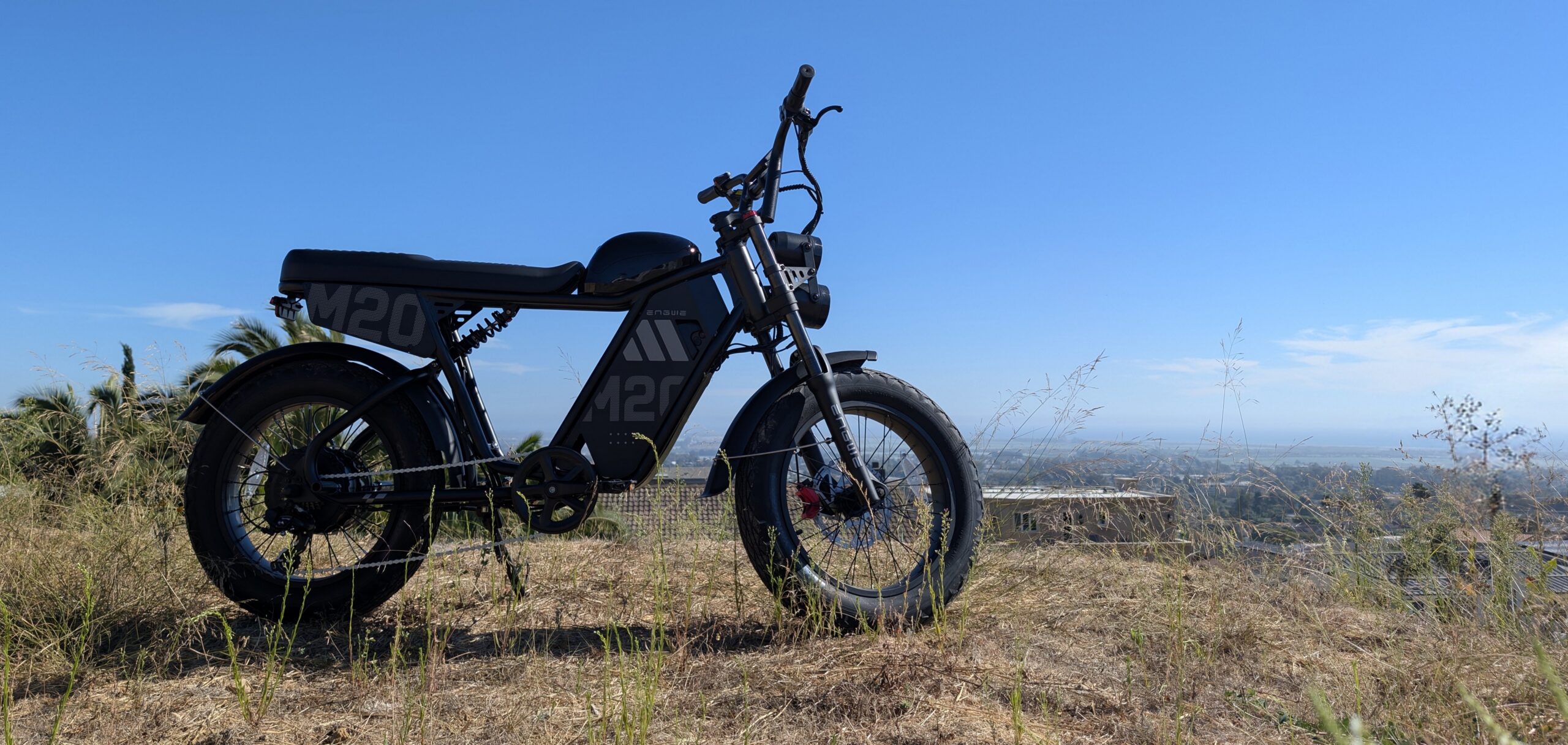
ENGWE has earned a reputation as one of the top e-bike builders worldwide, and the company continues to push boundaries with its latest offering, the M20 3.0. This motorcycle-style electric bicycle—complete with pedals and a rear hub motor—arrived at CleanTechnica for an in-depth review, courtesy of ENGWE. With a bold design and ambitious features, the M20 3.0 aims to deliver both style and practicality for riders seeking an affordable, zero-emission ride.
The M20 3.0 is not your typical e-bike. It's heavier than most, thanks to its moped-inspired frame and long, cushioned seat. It's designed for riders who prioritize comfort and convenience over a traditional cycling experience. The bike comes with a set of rear pegs, making it easy to bring a passenger along for the ride. Whether you're commuting, running errands, or simply exploring the city, the M20 3.0 positions itself as a versatile urban companion.
Design and Comfort
At first glance, the M20 3.0 looks more like a small motorcycle than a bicycle. The step-through frame, wide tires, and extended seat give it a commanding presence. The long casual seat is a standout feature, offering ample room for a rider and a passenger. The included rear pegs add an extra layer of comfort for the second rider, making two-up travel a realistic option. This design philosophy clearly targets individuals who want the convenience of a scooter or moped without the need for a gas-powered engine.
Despite its motorcycle-like appearance, the M20 3.0 retains functional pedals, which classifies it as an e-bike in many jurisdictions. However, it's obvious that the pedals are more of a formality—this bike is meant to be ridden using the throttle. The heavy frame and relaxed geometry prioritize stability and comfort, which is a trade-off for those accustomed to lighter, more agile bicycles. Riders should be prepared for a substantial machine that handles differently from a standard e-bike.
Battery and Range
One of the most impressive aspects of the M20 3.0 is its battery capacity. The primary battery packs a massive 1,200 watt-hours, which is significantly larger than the 400-700 Wh found on most e-bikes. For riders who need even more range, an optional second battery can be mounted directly to the interior of the frame, doubling the total capacity to a staggering 2,400 Wh. This flexibility makes the M20 3.0 one of the most range-conscious e-bikes on the market.

According to ENGWE, a single battery provides up to 80 miles of range on a single charge. While that figure might seem modest given the battery size, it's a realistic estimate because the bike is primarily throttle-driven. With minimal pedaling, energy consumption is higher than on pedal-assist bikes, so the 80-mile rating reflects actual usage patterns. With the optional second battery, riders could theoretically double that range, offering an exceptional ability to travel long distances without recharging.
- Primary battery: 1,200 Wh
- Optional second battery: additional 1,200 Wh
- Estimated range (single battery): 80 miles
- Configuration: Moped-style with functional pedals
Motor and Performance
The M20 3.0's motor is a fascinating piece of engineering. It's software-limited to 750 watts, which is the maximum allowed for a standard Class 2 e-bike in the United States. However, that limit is a digital constraint rather than a physical one. The actual motor is rated at 1,000 watts continuous output with an impressive 3,300-watt peak. This means the bike is capable of acceleration and speeds that far exceed typical e-bike performance, but unlocking that potential may require bypassing the software restriction.
This discrepancy between the software limit and the raw motor capability is a growing concern for regulators. As CleanTechnica noted, it's relatively easy to bypass the software lock, and states are starting to pay attention. Riders who choose to unlock the full power may find themselves with a vehicle that doesn't conform to e-bike laws, which could have legal implications.
Legal Considerations
In the United States, e-bikes are classified into three categories, all of which have a maximum motor output of 750 watts. The M20 3.0, with its 1,000-watt continuous and 3,300-watt peak output, exceeds that threshold. As a result, it does not qualify as a standard e-bike in most jurisdictions. This has a direct impact on where and how the bike can be ridden.
According to the source, exceeding 750 watts means the bike is not allowed in bike lanes or on dedicated bike paths in most places. This is a significant limitation for urban riders who rely on cycle infrastructure. However, some areas have separate classifications for mopeds or motorized vehicles with pedals. These classifications often come with lower registration fees, reduced licensing requirements, and in some cases, allow younger riders to operate them. The rules vary widely by state and even by city, so it's essential to research local regulations before purchasing.
CleanTechnica's review emphasizes the importance of checking with the Department of Transportation or equivalent agency in your area. If the M20 3.0 is classified as a moped, it may require a license plate, insurance, and a valid driver's license. Some areas might also have specific equipment requirements, such as mirrors or turn signals. Being informed is the first step to enjoying the M20 3.0 responsibly and legally.

Riding the M20 3.0
On the road, the M20 3.0 delivers a relaxed and stable ride. The long wheelbase and wide tires soak up bumps, and the comfortable seat makes longer journeys bearable. The rear hub motor provides smooth power delivery, and the optional second battery adds weight but also range. The bike feels confident at moderate speeds, and the throttle response is predictable. However, the sheer weight of the machine is noticeable, especially when stopped or when trying to maneuver it manually.
Riders looking for a nimble, pedal-friendly e-bike will likely be disappointed, but those who want a moped-like experience with the option to pedal will find the M20 3.0 a compelling choice. The included rear pegs make it easy to carry a passenger, and the long seat offers plenty of room. This is a bike built for cruising, not for intense exercise or off-road adventures.

Should You Buy the ENGWE M20 3.0?
The M20 3.0 is a capable zero-emission vehicle that offers exceptional battery capacity and a powerful motor. It's designed for people who want an affordable alternative to a car or a gas-powered moped. The range potential, especially with the optional second battery, is outstanding, and the comfortable seating makes it practical for daily use. ENGWE has clearly crafted a product that appeals to riders seeking a laid-back, efficient mode of transportation.
However, the legal gray area surrounding its motor power cannot be ignored. If you live in a jurisdiction with strict 750-watt enforcement, the M20 3.0 could put you at risk of fines or impoundment. It's crucial to verify whether the bike qualifies for the local moped or motorized vehicle classification, and whether you're willing to obtain the necessary permits. For those who can navigate these rules, the M20 3.0 is an excellent investment in clean, cost-effective mobility.
Conclusion
ENGWE has delivered a bold and practical e-bike with the M20 3.0. Its massive battery, optional dual-battery configuration, and powerful motor make it a standout in the world of micro-mobility. While the software-limited 750W output offers a semblance of compliance, the true capability of the motor exceeds legal limits in many places. As cities and states tighten enforcement, prospective buyers must be vigilant about local laws. With proper due diligence, the M20 3.0 can be a fantastic zero-emission vehicle for both solo riders and those who need to carry a passenger.
This article is based on reporting by CleanTechnica. Read the original article.
Originally published on cleantechnica.com