A large white-collar reset in the auto industry
Ford, General Motors and Stellantis have together cut more than 20,000 U.S. salaried jobs from recent peaks this decade, according to the supplied report citing public filings and company employment data. The combined reduction amounts to 19% of their salaried workforce, a striking measure of how sharply the traditional auto industry is being reshaped by software-defined vehicles, electrification, autonomy, and now artificial intelligence.
The cuts are not described as the product of a single downturn or one failed product cycle. Instead, they reflect a deeper transition in what kinds of labor automakers believe they need. The result is a painful but revealing snapshot of how legacy manufacturing companies are reorganizing around digital systems, battery platforms, and code.
Why the changes are happening now
The supplied text frames the job losses as part of evolving technological change across the industry. The Detroit automakers are not only building cars; they are being pushed to operate more like software and systems companies. That shift affects which functions expand and which shrink. Office management, IT, finance, and coding roles are explicitly mentioned among the jobs lost at GM, even as the company is described as hiring for AI-related work.
That dynamic captures the contradiction at the center of the current transition. Automation and AI do not simply remove jobs in old factories. They also restructure white-collar work that once appeared comparatively insulated. In the supplied report, Ford CEO Jim Farley is quoted as saying artificial intelligence will replace a large share of U.S. white-collar work. Whatever the exact future scale, the direction of travel is already visible in headcount decisions.

How the burden is distributed
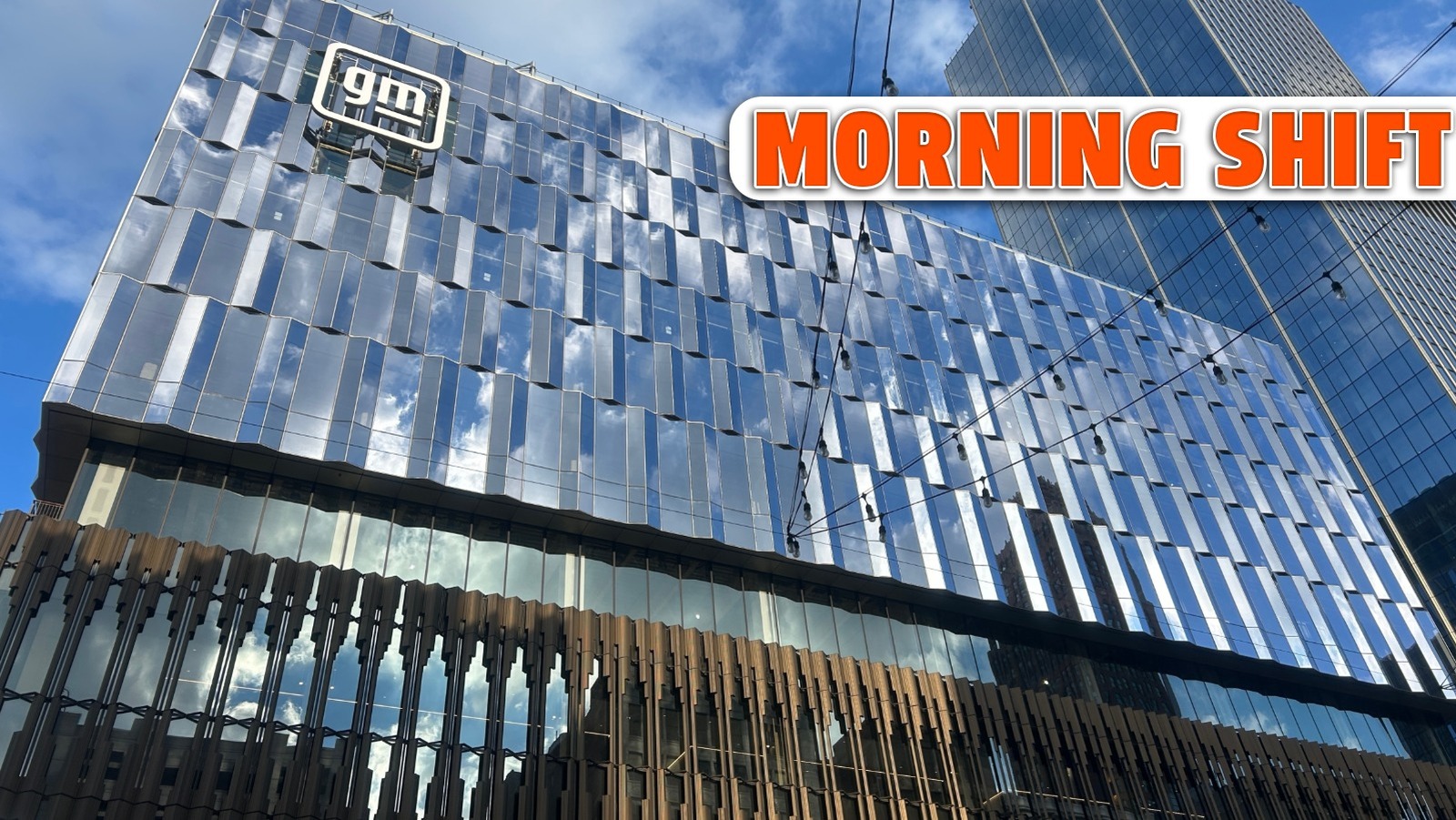
General Motors is described as responsible for the biggest white-collar drawdown, having let go of roughly 11,000 people since 2022. The report adds context by noting that GM had hired roughly a similar number from 2020 to 2022, which means some of the contraction reverses an earlier expansion. Even so, the absolute number remains significant, especially because it points to whiplash in how companies staffed for the first phase of the EV and software transition.
For workers, that distinction offers little comfort. Whether the cuts represent a correction or a strategic acceleration, the real-world effect is the same: fewer traditional salaried roles inside companies that once promised long-term career stability.
What this says about the future car company
The reduction in workforce is not just about cost control. It also reflects a changing theory of the firm. As vehicles become more software-defined, more connected, and more dependent on AI-assisted development and services, automakers increasingly want smaller groups of highly specialized workers, plus outside tools and platforms that can do more of the routine work.
That raises uncomfortable questions. If coding jobs are among those being squeezed while AI hiring rises, the industry may be moving toward a model where fewer engineers supervise more automated output. If finance and office roles are thinning too, the change is broader than product development. It points to a leaner, more digitally managed corporate structure overall.
The EV and AI overlap is the key story
Much of the public conversation around auto layoffs has treated electrification and AI as separate disruptions. In practice, they are compounding each other. EV development has already forced large capital reallocations, platform changes, and supplier resets. AI arrives on top of that, promising productivity gains while pressuring management teams to show operating leverage quickly.
The combined effect is that the auto industry’s transition is no longer only about what consumers drive. It is also about what kind of employer a car company becomes. The Detroit Three are still enormous industrial organizations, but their employment model is starting to look less like 20th-century manufacturing and more like a hybrid of manufacturing, software, and cost-disciplined tech operations.
What comes next
The immediate risk is that companies over-correct, cutting experience faster than they build durable new capabilities. AI hiring may fill some gaps, but reshaping an automaker around software and automation is not just a matter of reducing payroll in one set of roles and adding it in another. Execution still depends on deep institutional knowledge, coordination, and product discipline.
Still, the headline number matters because it shows the transition is no longer theoretical. More than 20,000 salaried jobs have already disappeared from recent peaks. That is not a forecast. It is the labor-market footprint of the industry’s next operating model.
This article is based on reporting by Jalopnik. Read the original article.
Originally published on jalopnik.com