Rivian is making a software control argument
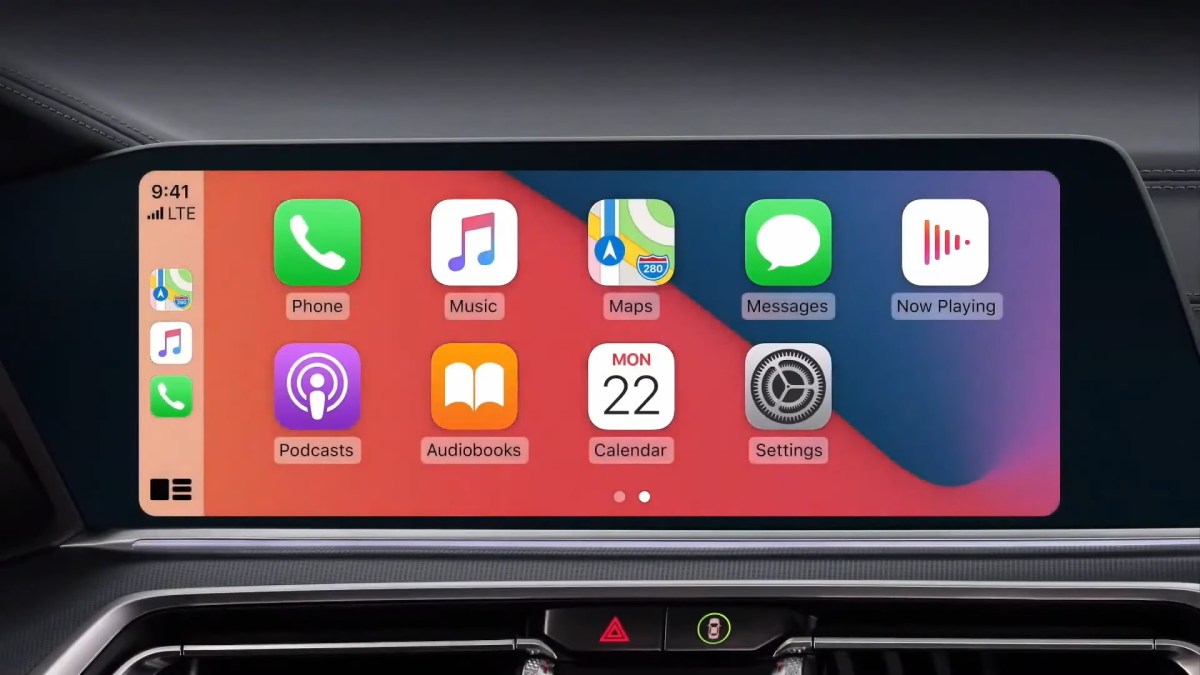
Rivian is restating its position against Apple CarPlay and Android Auto, but with a new rationale built around artificial intelligence. According to remarks cited by The Drive, Chief Software Officer Wassym Bensaid argues that dedicated app integration is becoming less relevant as automakers move toward AI-driven, voice-heavy in-car experiences.
His case is not that screen mirroring never worked. It is that it interrupts the experience the carmaker designed. Bensaid describes app-based integration as invasive and says future systems will instead use agentic AI to deliver the same functions more cleanly within the native interface.
The promise Rivian is selling
The article says Rivian already relies on voice features for text messaging and other functions, and that future AI capabilities would expand that model. Bensaid’s argument is that a vehicle can offer navigation, communication and media functions without handing over the dashboard to smartphone ecosystems.
In his framing, the interface shifts from a collection of isolated apps to what he calls a more wholesome user experience. Rather than tapping through icons and mirrored menus, the driver would interact with an integrated assistant that understands requests in the context of the car.
Why automakers like this direction
The strategic incentive is obvious. If automakers can keep drivers inside the factory software environment, they control the interface, the data and the monetization opportunities tied to the vehicle. The source text explicitly notes that this opens paths for subscriptions, integrated commerce and advertising.
That is why the debate is larger than one feature request from phone users. CarPlay and Android Auto are not just convenience tools. They are competing operating layers that reduce the automaker’s control over the digital experience. AI gives manufacturers a new narrative for resisting them.
The unresolved problem
The weakness in Rivian’s position is also clear in the source text: the promised agentic tools are not yet ready for prime time. By contrast, CarPlay and Android Auto are working products with broad user familiarity and continuing support from platform providers whose update cycles are much faster than those of most automakers.
The article notes that automakers often struggle just to launch vehicles with current technology, let alone maintain cutting-edge software across product cycles that can stretch around seven years. That is the practical challenge Rivian and others must overcome if they want AI to replace a mature smartphone integration layer rather than merely sound more futuristic than it is.
A larger industry shift
Even if Rivian’s timeline proves optimistic, the direction of travel matters. The argument being made is that the car is becoming a software-defined environment where AI mediates access to services, information and controls. In that world, the carmaker wants to be the platform owner, not a host for someone else’s.
Whether drivers accept that trade depends on execution. If AI-driven systems are faster, more accurate and less distracting, the case against CarPlay will grow. If they are slower, more brittle or too obviously built around monetization, users will keep demanding the phone-first alternative.
This article is based on reporting by The Drive. Read the original article.
Originally published on thedrive.com