Understanding Torque Converter Shudder
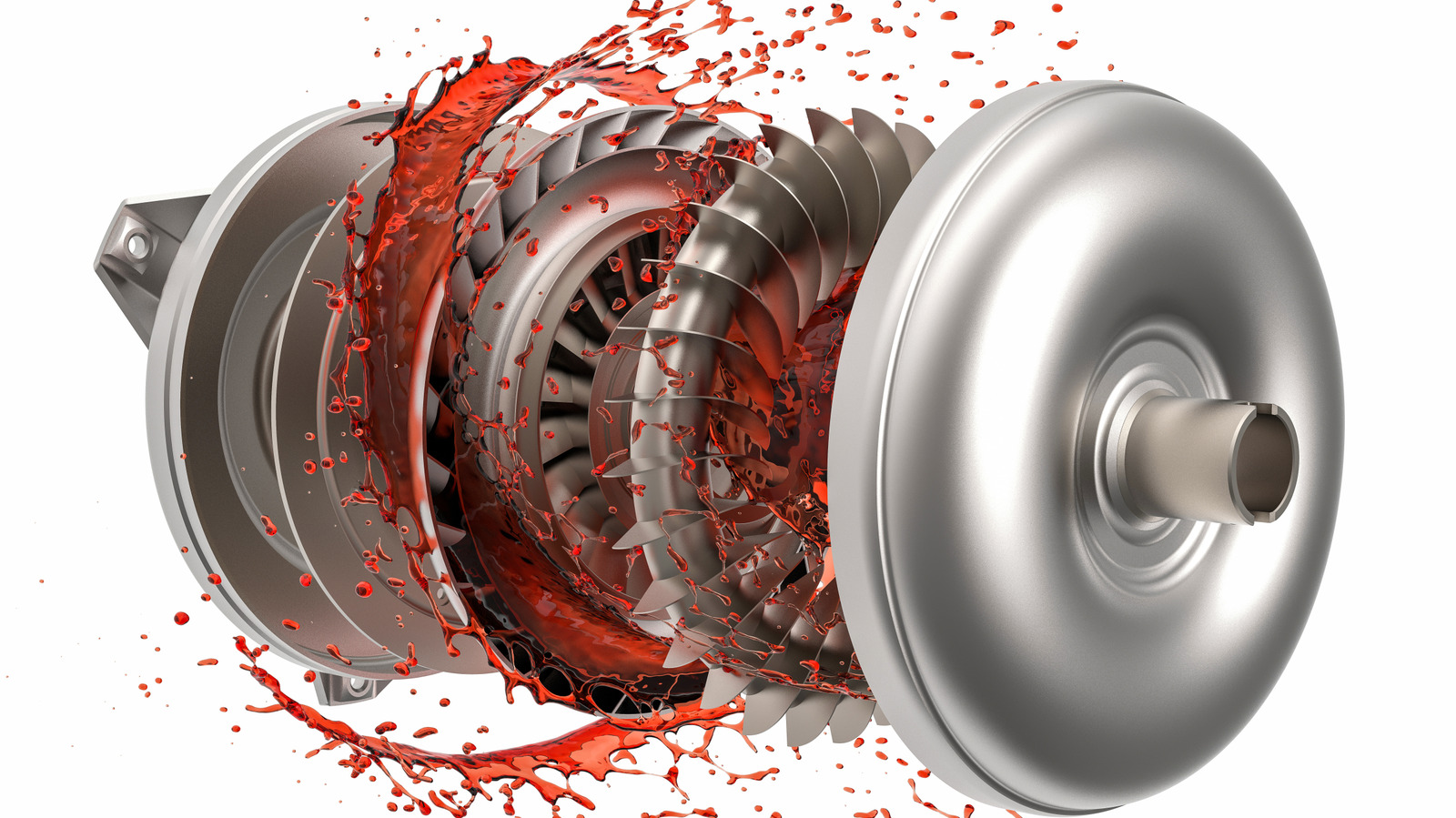
Torque converter shudder is a distinct vibration felt through the vehicle, often described as driving over rumble strips—except it comes from the drivetrain, not the wheels. This sensation occurs when the torque converter fails to smoothly transfer power from the engine to the transmission. The torque converter is a hydraulic fluid coupling that allows the engine to spin freely when the vehicle is stopped, then engages to transmit power once the transmission is in drive. Shudder typically happens at steady speeds between 25 and 50 mph, especially when the transmission shifts into overdrive. It may also feel jerky under acceleration.
What Causes Torque Converter Shudder?
The most common cause is a worn clutch inside the torque converter. This clutch connects and disconnects the transmission from the engine; when it wears down, it struggles to grab properly, causing the shudder. Another frequent culprit is degraded automatic transmission fluid (ATF). Over time, ATF can become old, contaminated with debris, or simply the wrong type for your vehicle. If the fluid isn't changed at the manufacturer-recommended interval—or sooner—it can lead to overheating and accelerated wear on the torque converter. In some cases, the transmission itself may have overheated, subjecting the converter to excessive heat it wasn't designed to handle.

How to Diagnose Torque Converter Shudder
Diagnosing torque converter shudder starts with paying attention to when and how the vibration occurs. If it happens only at certain speeds or during gear changes, it's likely torque converter-related. Check the ATF level and condition: low fluid, burnt smell, or dark color indicate problems. A professional transmission service can perform a more thorough inspection, including checking for trouble codes from the vehicle's computer. It's important to address shudder promptly, as ignoring it can lead to more severe damage and costly repairs.
How to Fix Torque Converter Shudder
In many cases, a simple automatic transmission fluid change resolves the issue. Fresh, correct-specification ATF can restore proper hydraulic pressure and cooling, allowing the torque converter to operate smoothly. However, if the fluid change doesn't help, the torque converter itself may need replacement. This is a more involved repair that requires removing the transmission and installing a new or rebuilt converter. In severe cases, the entire transmission might need servicing if internal damage has occurred. DIY enthusiasts can attempt the fluid change, but converter replacement is best left to professionals due to the complexity and need for specialized tools.

Preventing Torque Converter Shudder
Prevention is straightforward: adhere to your vehicle's recommended ATF change intervals. Regular maintenance keeps the fluid clean and at the proper level, reducing heat buildup and wear. Avoid towing heavy loads or aggressive driving that can overheat the transmission. If you notice any signs of shudder, address them early to prevent escalation. Keeping the transmission cool with an auxiliary cooler can also extend the life of the torque converter, especially in vehicles used for towing or performance driving.
When to Seek Professional Help
If a fluid change doesn't eliminate the shudder, or if you're not comfortable working on your vehicle, consult a qualified mechanic. Professional diagnosis can pinpoint whether the issue is the torque converter, the transmission, or another drivetrain component. Repair costs vary widely: a fluid change is relatively inexpensive, while torque converter replacement can run several hundred to over a thousand dollars, depending on the vehicle. Given the potential for catastrophic failure, it's wise to invest in proper repairs sooner rather than later.
This article is based on reporting by Jalopnik. Read the original article.

Originally published on jalopnik.com