Urban vs. Rural Car Accident Risks: What the Data Shows
When it comes to car accidents, location matters. A common question among drivers is whether city streets or country roads pose a greater risk. According to recent data from the National Highway Transportation Safety Agency (NHTSA) and the Insurance Institute for Highway Safety (IIHS), the answer is nuanced but clear: rural areas are deadlier, though the gap is narrowing.
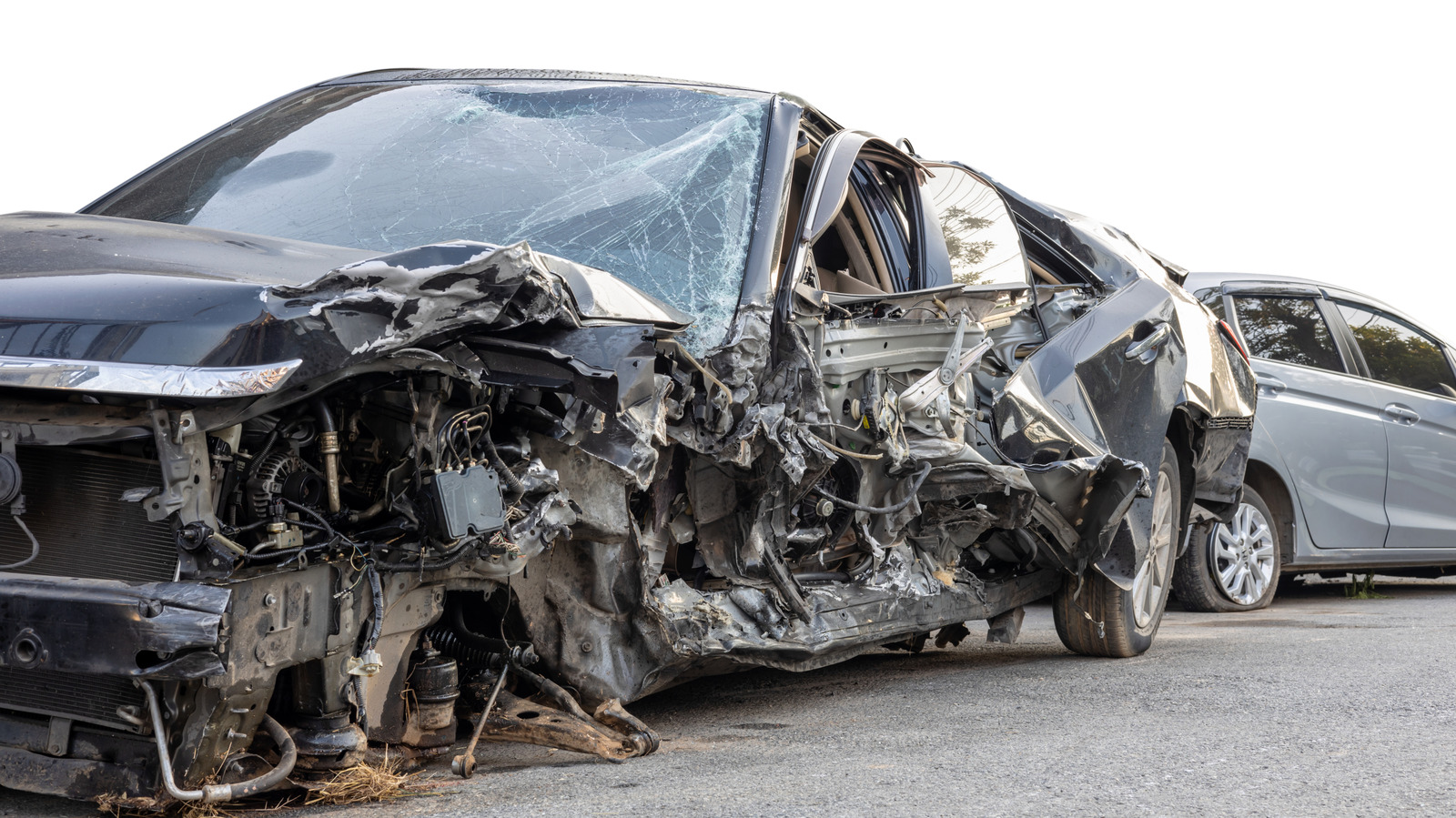
All things being equal, you're more likely to get into a deadly crash in a rural area than an urban one. However, all things are never equal, so a deeper dive is warranted. The key metric NHTSA uses is fatal crashes, not all accidents. While any accident is concerning, the focus on deaths provides a stark picture of risk.
Rural Fatality Rates Are Falling
There is good news even in the grim statistics. According to IIHS analysis of NHTSA data, the ratio of urban deaths versus rural ones continues to fall. Up until recently, the numbers have been grisly. From 2017 to 2021, over 83,000 people died on rural roads, despite only 20% of the U.S. population living outside cities. Moreover, only one in three car trips during that period occurred on these less populated roads.
But rural fatality rates are declining. In 2000, 61% of car crash deaths occurred in rural areas. By 2024, that figure dropped to 41%. However, per 100 million miles traveled, rural drivers and passengers still face a 1.56% chance of being killed, compared to 1.01% in urban areas. So on paper, it remains deadlier to drive in the countryside.

Why Rural Roads Are More Dangerous
Several factors contribute to higher rural fatality rates. Riskier behavior plays a role, including speeding and not wearing seat belts. Poorer sightlines, road conditions, fewer police, and inconsistent lane markings also increase danger. Weaker enforcement may explain why, at speeds of 50 mph or below, 72% of rural speeding deaths occur versus 61% in urban areas.
Rural drivers often travel longer distances and are more likely to drive unbuckled. Prior data showed higher rates of drunk driving in rural areas, though DUI-related deaths are falling for all Americans. Another grim reason for higher fatalities is longer travel times to hospitals and emergency services. In remote areas, the "golden hour" for trauma care is often stretched, making survival less likely after a crash.
Time Is the Critical Factor
Emergency response times are significantly longer in rural areas. Ambulances and first responders may take 30 minutes or more to reach a crash site, compared to under 10 minutes in cities. This delay can be the difference between life and death. Additionally, rural roads often lack lighting, guardrails, and clear signage, increasing the severity of accidents.
While urban areas have more traffic and potential for fender benders, the lower speeds and closer proximity to hospitals mean fewer fatal outcomes. In contrast, rural crashes tend to occur at higher speeds and involve more severe injuries.

What This Means for Drivers
For those driving in rural areas, awareness is key. Always wear a seat belt, obey speed limits, and avoid alcohol. Be prepared for longer stretches without services and ensure your vehicle is in good condition. In cities, remain vigilant for pedestrians, cyclists, and sudden stops, but take comfort in the lower fatality risk.
The trend is positive: rural deaths are declining, thanks to improved vehicle safety, road design, and public awareness campaigns. However, the disparity remains a public health concern that warrants continued attention from policymakers and drivers alike.
This article is based on reporting by Jalopnik. Read the original article.
Originally published on jalopnik.com