Wood-Powered Pickup Breaks New Ground
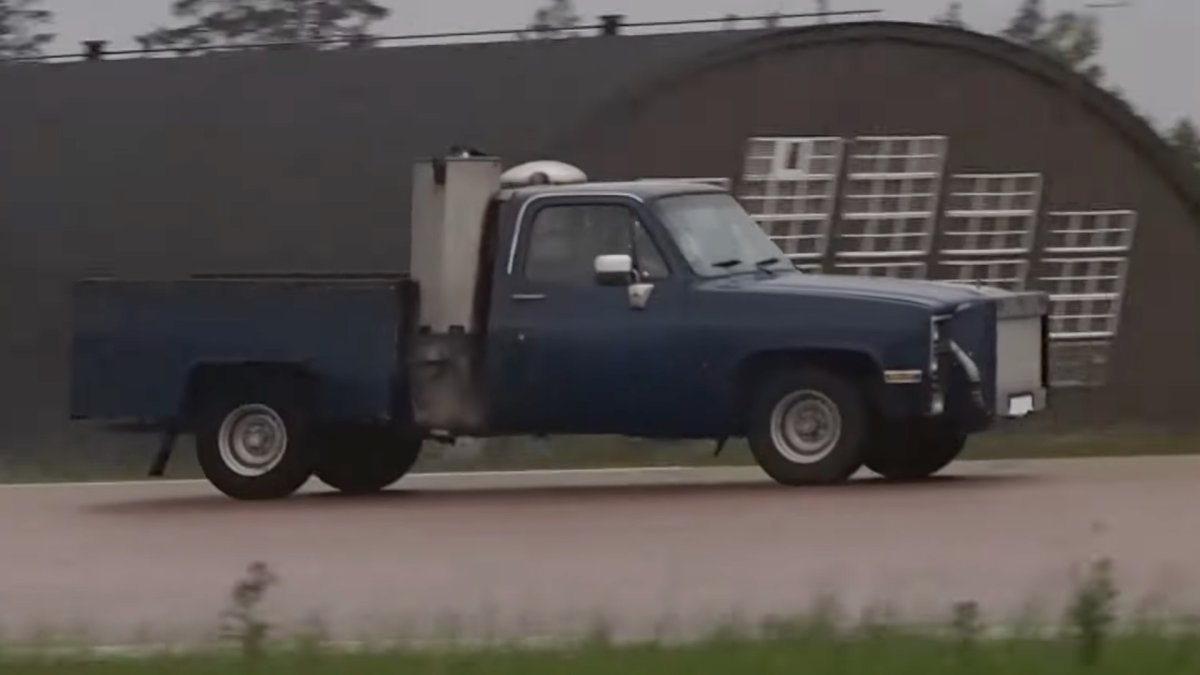
In an era dominated by electric vehicles and advanced biofuels, a YouTuber and his father have proven that old-school ingenuity still has a place. Their 1983 Chevrolet squarebody pickup, modified to run on wood gas, recently set a standing-mile speed record of 77.6 mph (125 kph) at a closed airport runway. The feat, documented by Jp Prat Projects on YouTube, showcases the potential of wood gas as a renewable fuel source for internal combustion engines.
How Wood Gas Powers an Engine
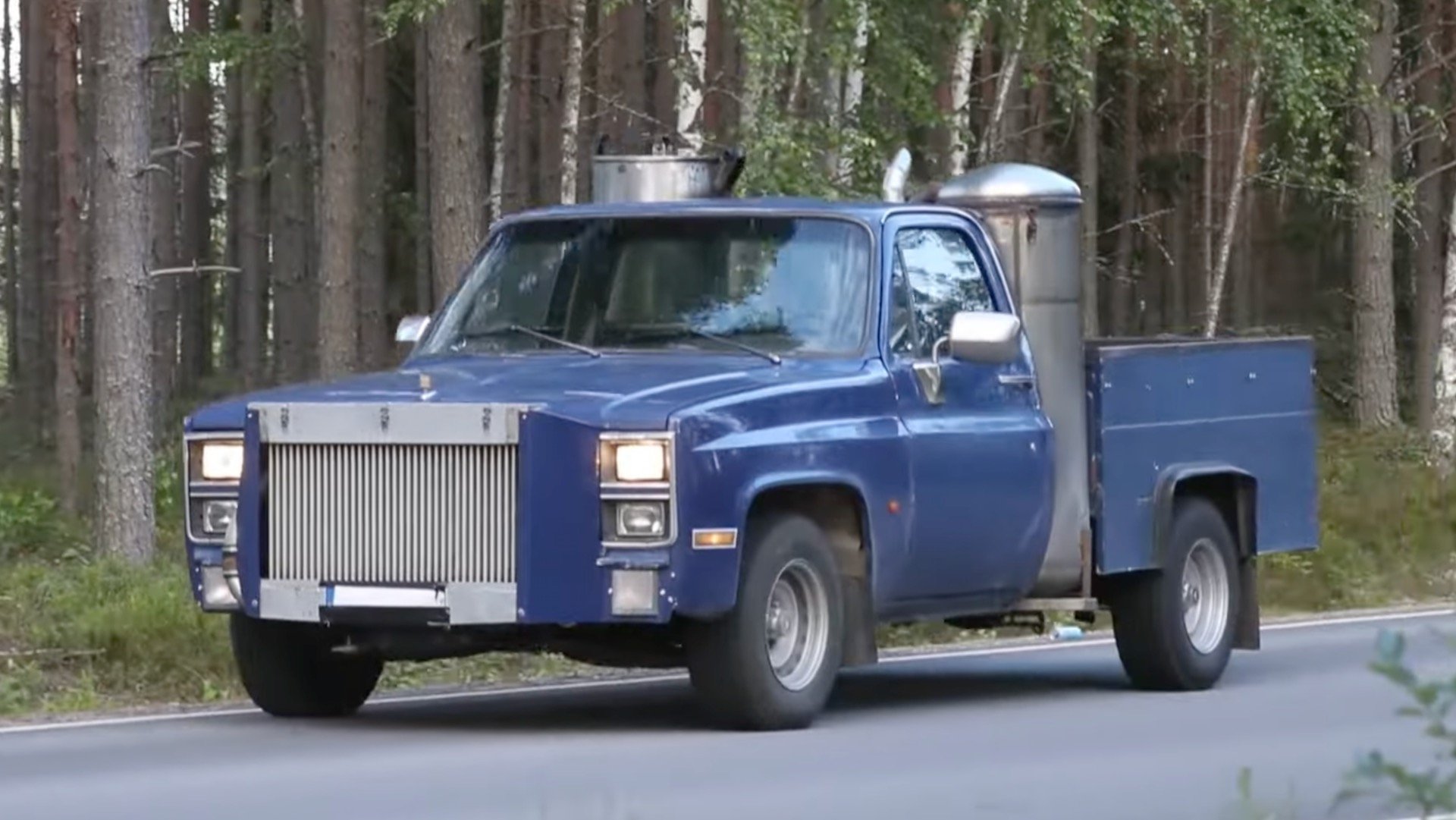
The truck is powered by a 350-cubic-inch V8 engine dating back to 1972, which runs entirely on wood gas produced by burning wood chips in a large metal cylinder mounted behind the cab. The process involves a gasifier that converts wood into carbon monoxide and hydrogen, which are then filtered and fed into the engine. A ball valve regulates the flow, and a filter system removes soot and ash before the gas enters the intake. Remarkably, the engine requires no modifications to run on this alternative fuel, and no secondary fuel is needed for startup—just a wadded piece of newspaper to ignite the wood chips.
Record-Breaking Performance
While 77.6 mph may not sound impressive by modern standards, it is believed to be a record for a wood-fired vehicle in the standing-mile category. The truck drove 131 miles (211 km) to the event, and the entire round trip plus the run consumed 80.5 pounds of wood per 60 miles. According to the video, the wood-gas system is about 15% more energy-intensive than gasoline, but the fuel is essentially free if you have access to firewood. Moreover, burning wood is nearly carbon-neutral, as trees absorb CO2 during growth and release it when burned or decomposed.
Practical Considerations
Wood gas vehicles do come with trade-offs. The filter must be cleaned before each use, and ash and soot need to be emptied from a pan below the gasifier. Startup takes about five to ten minutes, and wood chips occupy more space than liquid fuel. However, for those with abundant wood supplies, the system offers a way to achieve energy independence. The truck has already covered over 62,000 miles (100,000 km) without a drop of gasoline.

Implications for Alternative Fuels
This record demonstrates that wood gas is a viable option for internal combustion engines, especially in regions where wood is plentiful. While not a mainstream solution, it highlights the diversity of renewable fuels that can reduce dependence on fossil fuels. As the world seeks sustainable transportation, innovations like this Chevy pickup remind us that sometimes the best solutions are rooted in the past.
This article is based on reporting by The Drive. Read the original article.
Originally published on thedrive.com