Introduction: The Thrill of Driving at Altitude
The United States is home to some of the most breathtaking driving roads in the world, from the Pacific Coast Highway to the winding routes of the Finger Lakes. But for those seeking a true adventure, the tallest highways in America offer a unique challenge. With peaks soaring above 12,000 feet, these roads test both driver and vehicle with altitude sickness, unpredictable weather, and narrow, cliff-hugging lanes. In this article, we explore the five highest paved roads in the U.S., four of which are in Colorado and one in Hawaii. Whether you're a seasoned road tripper or an aspiring adventurer, these highways demand respect and preparation.
Cottonwood Pass, Colorado: A Paved Gateway to the Sky
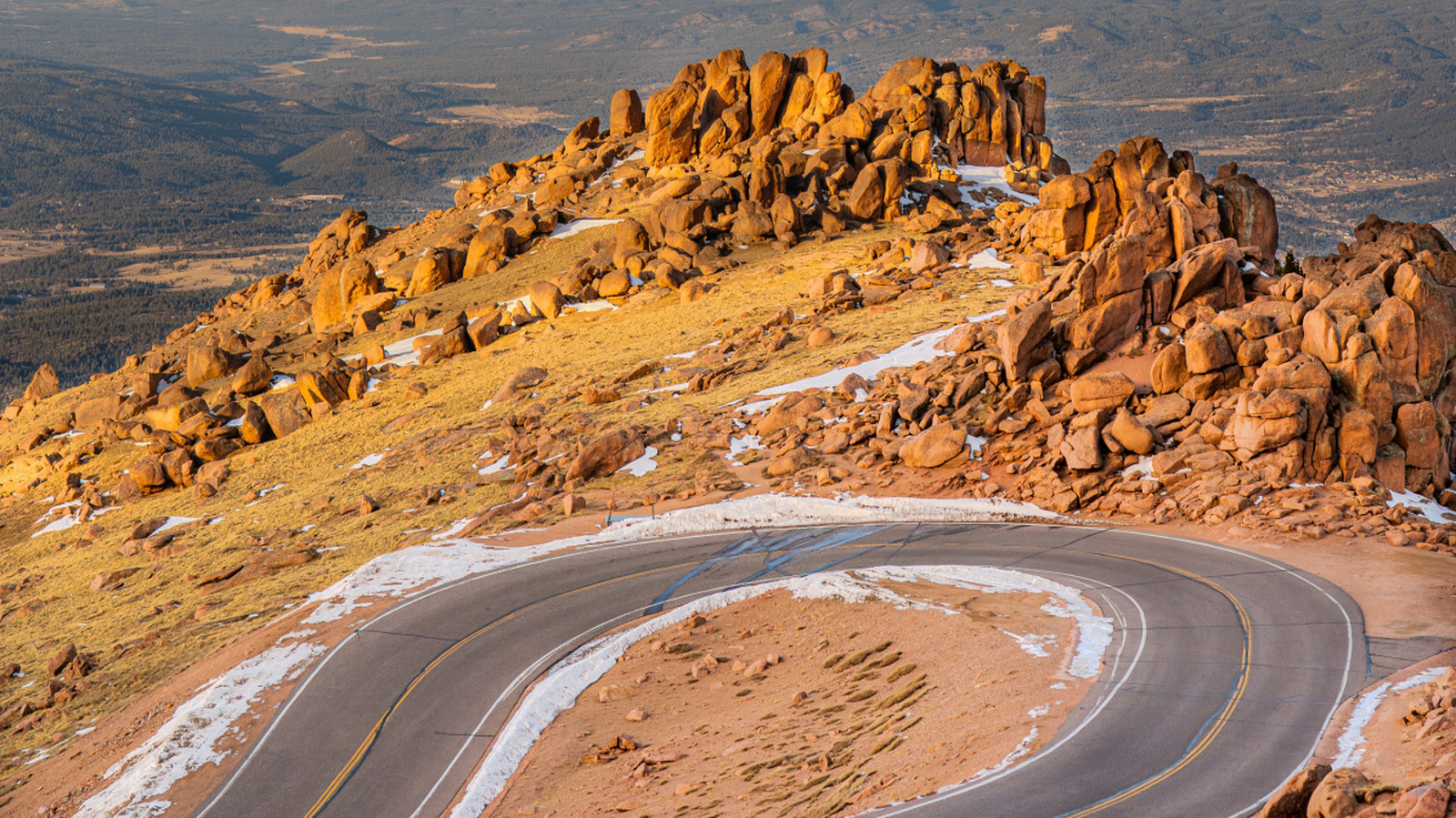
At an elevation of 12,126 feet, Cottonwood Pass is the lowest of the five highest roads, but it's no less impressive. Located in Colorado, this 57-mile pass connects the towns of Buena Vista and Almont. Since its full paving was completed in 2019, the road has become accessible to standard two-wheel-drive vehicles, making it a relatively easy conquest compared to others on this list. However, the pass is only open from May through October due to heavy snowfall. Drivers should note that there are no gas stations along the route, so filling up beforehand is essential. The road features narrow sections with sheer drops, which can be daunting for inexperienced drivers. Locals report that visitors sometimes stop partway due to fear, so a steady nerve is required.

Other High-Altitude Challenges in Colorado
Colorado is home to four of the five highest paved roads in America. While Cottonwood Pass is the lowest of these, others like Independence Pass (12,095 feet) and Trail Ridge Road (12,183 feet) offer similar thrills. However, the highest paved road in the state is Mount Evans Scenic Byway, which reaches 14,130 feet. This road is known for its extreme altitude, which can cause altitude sickness in some visitors. Symptoms include headache, nausea, and shortness of breath. It's recommended to acclimate at lower elevations before attempting these drives. Additionally, vehicles may experience reduced power due to thinner air, and brakes should be checked before descending steep grades.
The Mauna Kea Access Road, Hawaii: A Unique Tropical High
The only non-Colorado entry on the list is the Mauna Kea Access Road in Hawaii, which reaches an elevation of 13,803 feet. This road leads to the summit of Mauna Kea, a dormant volcano that is home to some of the world's most powerful telescopes. The drive is challenging due to steep grades and the risk of altitude sickness. Four-wheel-drive vehicles are required for the final stretch, and drivers must be prepared for rapidly changing weather conditions. The road is open year-round, but winter snow can close it temporarily. Unlike Colorado's passes, the Mauna Kea road offers a unique tropical-alpine environment, with stunning views of the Pacific Ocean and the Big Island's volcanic landscape.
Safety Tips for High-Altitude Driving
Driving at high altitudes presents unique challenges. Altitude sickness can affect anyone, so it's important to stay hydrated and avoid overexertion. Vehicles also need preparation: check your brakes, tires, and cooling system before heading out. Most high-altitude roads are remote, so carry extra supplies like water, food, and a first-aid kit. Weather can change rapidly, with snow possible even in summer. Always check road conditions before departing and be prepared to turn back if conditions worsen. Finally, drive slowly and use lower gears on descents to avoid brake fade.
Conclusion: A Bucket List for Adventurous Drivers
America's tallest highways offer an unforgettable experience for those willing to brave the altitude. From the relatively tame Cottonwood Pass to the extreme heights of Mauna Kea, each road has its own character and challenges. With proper planning and a sense of adventure, these drives can be safely enjoyed. Whether you're a Colorado local or a visitor to Hawaii, add these roads to your bucket list for a drive you'll never forget.
This article is based on reporting by Jalopnik. Read the original article.
Originally published on jalopnik.com