Mitsubishi Signals a New Push in Utility Vehicles
Mitsubishi says it will return to the midsize pickup segment in North America and revive the Pajero sport-utility vehicle for international markets, marking one of the clearest signs yet that the company wants to rebuild its presence in more profitable truck and SUV categories.
The announcement, summarized by The Drive, points to a North American pickup developed with Nissan’s help. The report says the truck is likely to be derived from and built alongside the Nissan Frontier, which would give Mitsubishi a route into U.S. production that it currently lacks. That detail matters because manufacturing footprint has been one of the company’s practical constraints in this market.
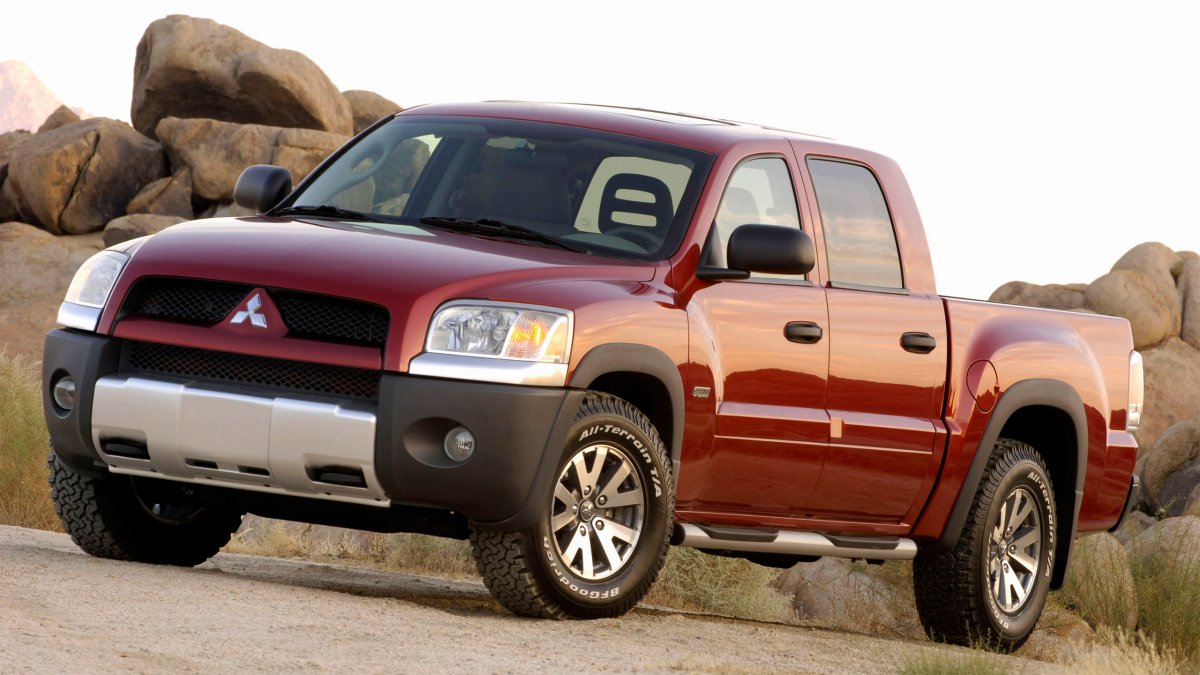
For Mitsubishi, this is not just about adding another nameplate. It is about re-entering a segment it has been absent from for years. The source text notes that the Dodge Dakota-derived Mitsubishi Raider was the last pickup the brand sold in the United States. A new midsize truck would therefore represent both a strategic return and a test of whether shared-platform development can restore relevance at lower risk.
Why the Nissan Link Matters
The reported Frontier connection gives the plan immediate credibility. Rather than starting from scratch, Mitsubishi appears poised to lean on alliance economics and existing production capability. In a market where pickups require large investment, scale is a competitive necessity.
That does not guarantee success, but it changes the starting point. A Nissan-derived truck would let Mitsubishi re-enter with a proven template and domestic production path instead of an expensive standalone program. In practical terms, it is a way to move faster while keeping development costs under control.
The same logic helps explain why the Pajero revival matters. Utility vehicles remain central to how global automakers build margin and brand identity. Bringing back a historically significant SUV name while adding a pickup gives Mitsubishi two recognizable anchors for a broader repositioning.
A Brand Looking for Traction
The report says Mitsubishi is still deciding whether the new Pajero will also be offered in the United States. That caution reflects both opportunity and uncertainty. Global SUV demand is strong, but every additional U.S. launch brings cost, regulatory, and dealer-network considerations.
Even so, the broader message is clear: Mitsubishi wants back into categories that shape consumer perception and sales mix. Pickups and SUVs are not side projects in North America. They are where brands prove relevance. For Mitsubishi, which has spent years with a narrower and less ambitious public profile in the region, that is a meaningful shift.
The company is also choosing a time when the midsize truck market remains active but not fully settled. That creates room for a new entrant if the price, capability, and branding are right. A familiar platform may help with capability; differentiation will still depend on how Mitsubishi positions the truck against rivals and whether it brings a distinct identity beyond badge engineering.
More Than a Product Note
Announcements like this are easy to dismiss as routine future-product planning, but the strategic read is more consequential. Mitsubishi is not merely adding trim levels or refreshing an existing crossover. It is signaling intent in two vehicle lines that historically carry more weight than ordinary model-cycle news.
The company’s challenge now is execution. The pickup needs to feel like more than a derivative exercise, and the Pajero name will come with expectations. Still, from the information currently available, the direction is unmistakable: Mitsubishi is moving back toward trucks and traditional utility vehicles as part of a larger North American and international reset.
That makes this one of the more notable transportation stories of the day. In an industry defined by platform sharing, regional production strategy, and relentless competition for high-margin segments, Mitsubishi’s next truck move is less about nostalgia than survival and scale.
This article is based on reporting by The Drive. Read the original article.
Originally published on thedrive.com