Cummins is testing a different path for medium-duty trucks
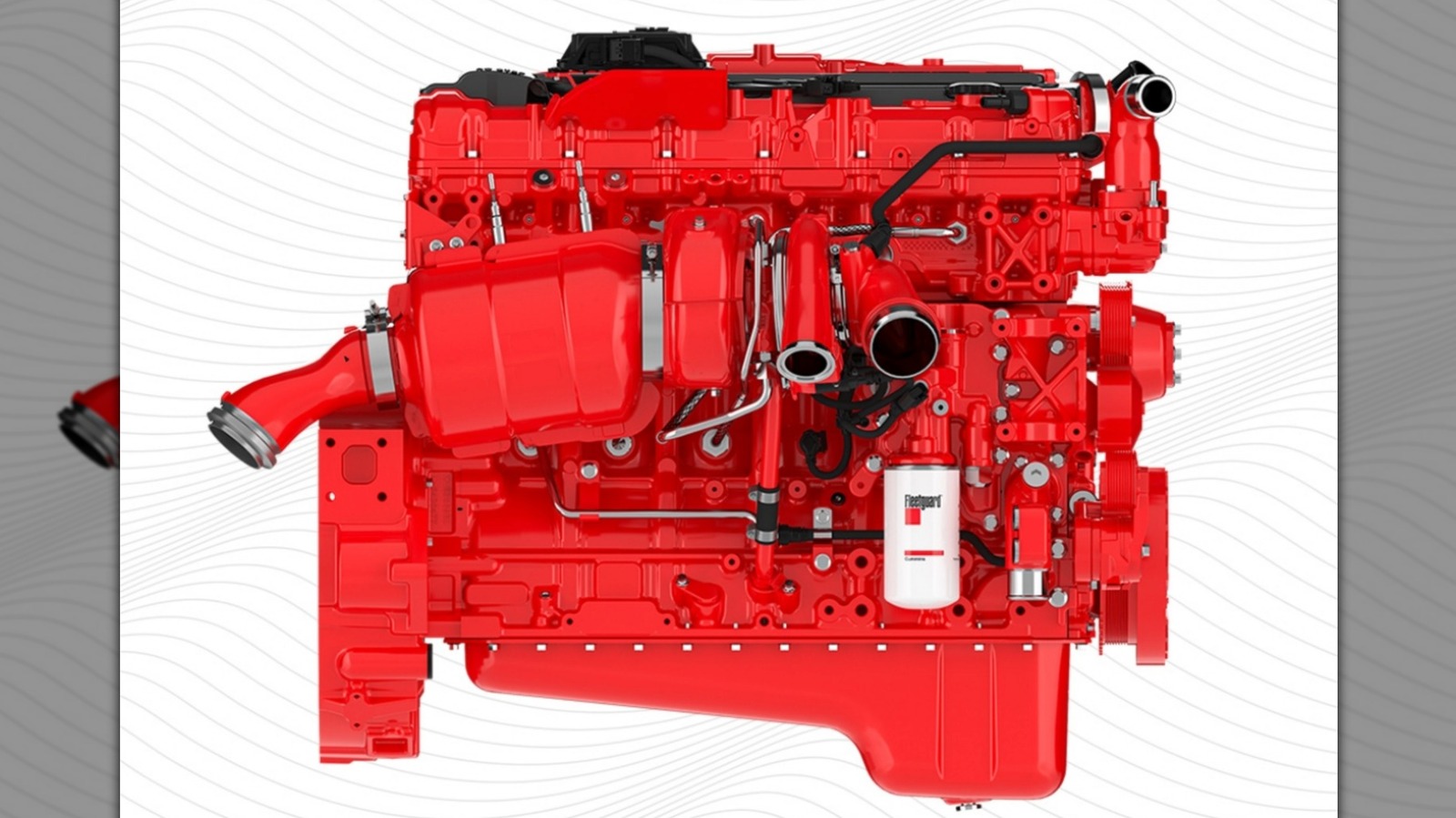
Cummins has introduced a powertrain that challenges a long-standing assumption in commercial trucking: that diesel is the only practical way to get diesel-like torque and work-focused performance. Its new B6.7 Octane is a turbocharged 6.7-liter inline-six that runs on regular 87-octane gasoline, yet it is engineered to behave much more like a traditional medium-duty diesel than a typical gas engine.
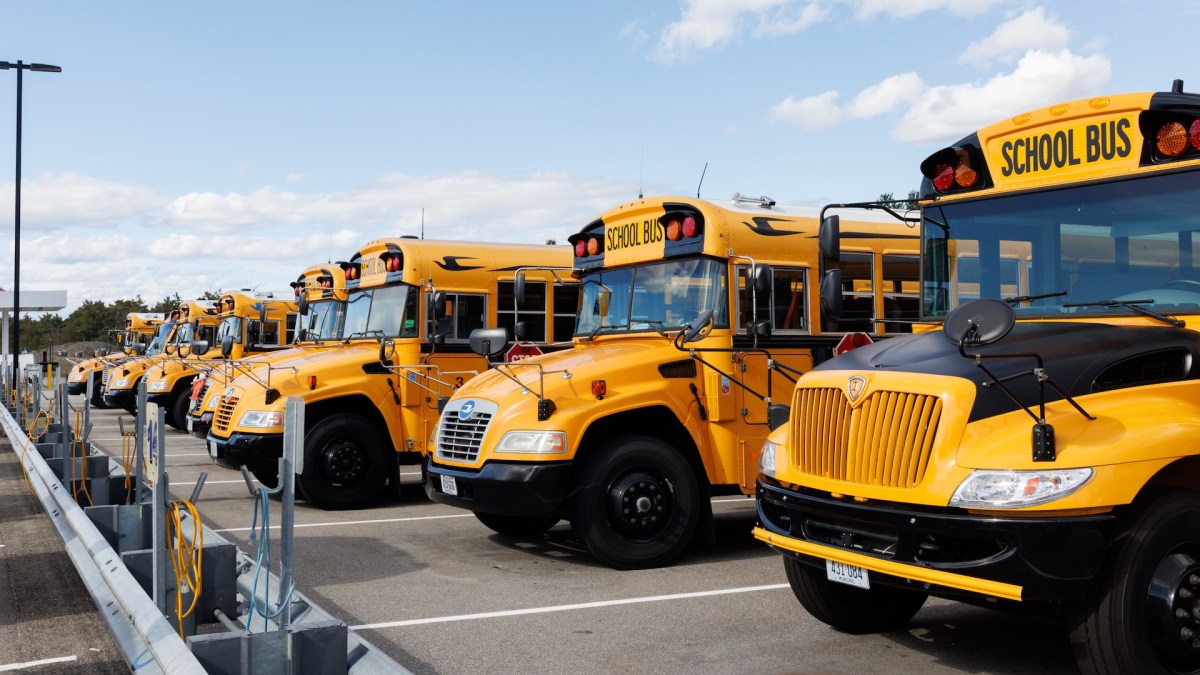
The target market is not passenger vehicles. Cummins says the engine is intended for medium-duty applications such as school buses, delivery vans, and utility vehicles. One early use case is expected to be the 29-foot Peterbilt U-Haul EM cargo box truck, a detail that points to fleet operators rather than private buyers as the real audience for the program.
That makes the B6.7 Octane noteworthy because it arrives at a moment when fleets are under pressure to reduce emissions and operating complexity without giving up the low-end pulling power they rely on for commercial work. Cummins appears to be betting that some operators want an alternative to diesel that does not require a full leap into battery-electric or other less familiar propulsion systems.
Diesel behavior, gasoline fuel
On paper, the engine’s numbers are deliberately diesel-like. Cummins says the B6.7 Octane will be offered in four output levels, ranging from 200 horsepower and 600 pound-feet of torque to 300 horsepower and 660 pound-feet. Peak torque in the highest specification arrives at 1,800 rpm, and the engine revs to 3,200 rpm.
Those figures matter because they sit much closer to the working character of a diesel engine than to the personality of most gasoline engines. The company has also included a Jacobs Engine Brake, a feature strongly associated with heavy-duty and medium-duty diesel applications. In effect, Cummins is trying to preserve the familiar operating feel of diesel equipment while changing the fuel and emissions profile underneath it.
That engineering choice could help fleets avoid some of the friction that comes with adopting entirely new vehicle architectures. Drivers, maintenance teams, and operators tend to value consistency, especially when vehicles are deployed across large service networks or rented to a broad customer base.
The HELM strategy behind the engine
The B6.7 Octane is part of Cummins’ HELM platform, which stands for Higher Efficiency, Lower emissions, Multiple fuels. According to the supplied source material, the 6.7-liter block is a clean-sheet design meant to support multiple fuel types over time. Cummins expects the same architecture to underpin future diesel and hydrogen derivatives as well.
That detail suggests the company is trying to solve more than one product problem at once. Rather than treating each fuel pathway as a completely separate engineering program, Cummins appears to be building a common platform that can be adapted across several propulsion strategies. If that approach works, it could reduce development complexity while giving truck makers and fleets more options in how they respond to emissions rules, fuel costs, and infrastructure realities.
The gasoline version is the first particularly unusual expression of that idea because it sits in a space that is often overlooked in conversations about transport decarbonization. Much of the public discussion has focused on battery-electric vehicles, hydrogen, or improved diesel systems. A gasoline engine with diesel-style characteristics does not fit neatly into those categories, which is part of what makes it strategically interesting.

Why fleets might care
The strongest practical argument for the B6.7 Octane may be operational simplicity. Because it runs on gasoline, fleets can avoid diesel exhaust fluid tanks and some of the emissions equipment associated with diesel systems, while still maintaining service intervals that are closer to diesel expectations than to those of many gas engines. The source text says the engine is expected to go nearly 15,000 miles between oil changes.
For operators, that combination could matter more than headline technology. Fleet economics are shaped by downtime, fueling habits, maintenance training, and how easily vehicles can move through existing service networks. If a gasoline-powered medium-duty engine can deliver the expected torque, avoid some emissions-system complexity, and fit into established fueling routines, it may appeal to organizations that are not ready to electrify large portions of their work vehicles.
U-Haul is a useful example. The source text notes that the company runs an all-gas fleet because most customers are already familiar with gasoline fueling. A truck that preserves that convenience while improving work-oriented performance could be attractive in rental and vocational settings where user familiarity matters as much as engineering efficiency.
What this does and does not mean
The B6.7 Octane does not signal the end of diesel, nor does it resolve the larger emissions debate around commercial transport. Instead, it shows how manufacturers are searching for intermediate solutions that can fit existing fleet behavior. Cummins is not abandoning diesel expertise; it is using that expertise to rework what a gasoline engine can be in a medium-duty context.
That makes the launch less of a novelty than it first appears. The commercial vehicle market often changes through transitional products that lower adoption barriers rather than through abrupt technology swaps. A gasoline engine that feels familiar to diesel operators may be exactly that kind of bridge.
- The B6.7 Octane runs on regular 87-octane gasoline but is tuned for diesel-style torque delivery.
- It is aimed at medium-duty trucks, buses, and utility vehicles, not passenger cars.
- Cummins says the engine is part of its multi-fuel HELM platform and could share architecture with future diesel and hydrogen versions.
- The company is pitching lower operational complexity and long maintenance intervals as key fleet advantages.
In that sense, Cummins is making a broader argument about the future of commercial transport: fleets may not choose a single propulsion answer all at once. They may adopt the technologies that preserve capability while cutting friction, and the B6.7 Octane is designed to meet that reality.
This article is based on reporting by Jalopnik. Read the original article.
Originally published on jalopnik.com