Three recent incidents point to a growing disposal problem
Improper battery disposal is doing more than creating a recycling headache. It is damaging municipal equipment, igniting trash loads, and putting sanitation workers and nearby communities at risk. A recent cluster of incidents in Texas, California, and Michigan shows how quickly the problem can escalate once batteries enter the waste stream.
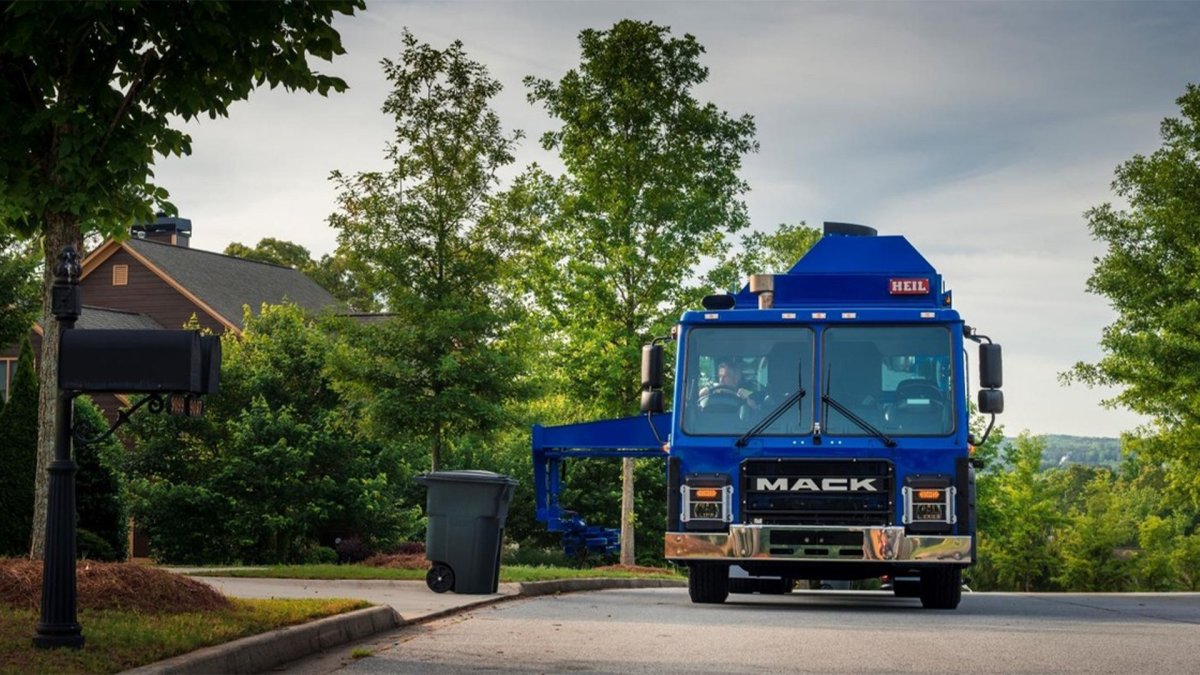
The basic danger is straightforward. Garbage trucks use hydraulic compactors to compress their loads. That is a poor environment for damaged batteries, whether they are traditional lead-acid units or lithium-ion packs. Crushing can release chemicals, expose internal materials, and create conditions for ignition. Once a battery ruptures in a confined trash load, the event can turn violent in seconds.
What happened this week
In Rio Bravo, Texas, a garbage truck was significantly damaged after a trash container filled with car batteries was emptied into it, according to reporting cited in the source text. City officials did not detail the exact damage but warned that residents could see disruptions in pickup service while the truck was out of commission and a specialized mechanic was brought in.
In Roseville, California, officials released video showing lithium-ion batteries catching fire in the back of a garbage truck. Sacramento fire officials told a local station that once a lithium-ion battery ruptures in a truck, the chain reaction can spread extremely quickly. The city used the incident to urge residents not to put such batteries in household trash.
On the same day, firefighters in Troy, Michigan, responded to another garbage-truck fire believed to have been caused by a lithium-ion battery. The driver dumped the truck’s contents to keep the fire from spreading into the vehicle itself. Firefighters later found a lithium-ion battery in the debris and judged it to be the cause.
Why batteries are uniquely hazardous in trash systems
Modern waste handling is built for ordinary refuse, not energy storage devices. Lead-acid batteries contain corrosive and toxic materials. Lithium-ion batteries add another layer of risk because of thermal runaway, the process in which damage or overheating can trigger a self-feeding fire. In a compactor environment, both chemistries can become dangerous, but lithium-ion failures can move especially fast.
There is also a secondary risk beyond flames. Fire officials noted that battery fires can release toxic gases. That raises exposure concerns for workers, firefighters, and anyone nearby. A truck fire is therefore not simply an equipment loss or service disruption. It is also a public safety issue.
Not a new problem, but an intensifying one
The source text notes that garbage-truck battery fires are not new. What stands out here is the concentration: three incidents in roughly a week. That points to a persistent gap between how common batteries have become in everyday life and how well disposal habits have adjusted.
Battery-powered products now span cars, tools, e-bikes, electronics, and household devices. As volume rises, disposal errors become more consequential. Municipal waste systems are effectively catching the fallout from an electrified consumer economy without being designed to handle all of its end-of-life risks.
The practical takeaway
The advice from officials is uncomplicated: do not throw car batteries or lithium-ion batteries in the trash. Instead, use designated recycling points such as auto parts stores or household hazardous waste drop-off sites. Those channels exist because the materials require handling outside the ordinary waste stream.
That recommendation may sound basic, but the week’s incidents show it is still not being followed consistently enough. A single battery in the wrong place can disable a truck, spark a dangerous fire, and interrupt local service. As battery use spreads through transportation and consumer products alike, the disposal problem is becoming a frontline infrastructure issue rather than a niche recycling concern.
This article is based on reporting by The Drive. Read the original article.
Originally published on thedrive.com