FTC Expands Pressure on Auto Retail Advertising Practices
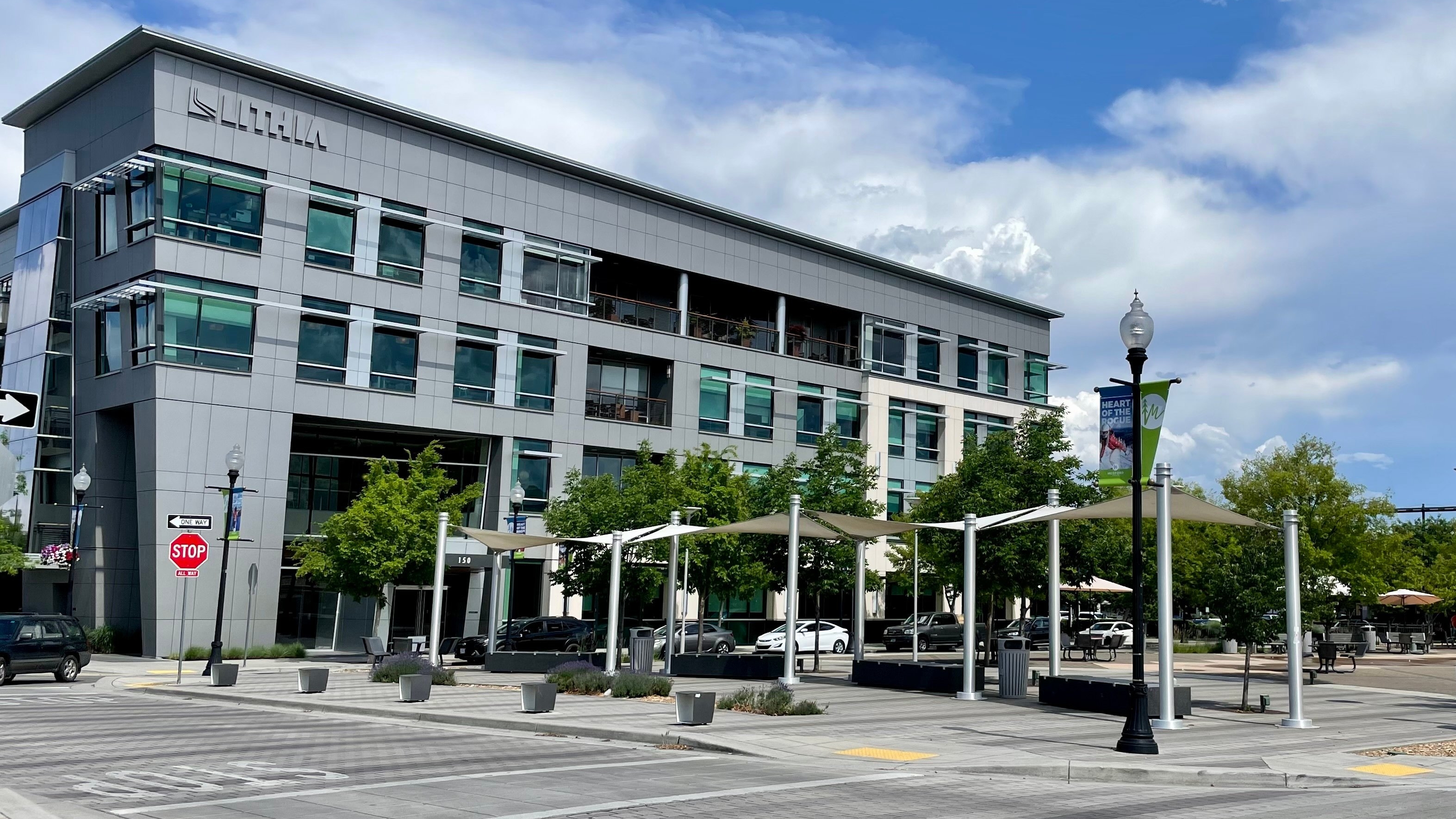
The Federal Trade Commission warned 97 auto retailers in March that it suspected them of illegal advertising practices, according to Automotive News. The list included major dealership groups such as Lithia Motors, AutoNation, and Hendrick Automotive Group, highlighting how broadly the agency is examining vehicle price advertising across the retail market.
Christopher Mufarrige, director of the FTC’s Bureau of Consumer Protection, wrote the warning letters. Automotive News noted that receiving a letter did not necessarily mean a dealer group was guilty of wrongdoing. Even so, the move represents a formal regulatory signal to a large segment of the industry that advertised pricing remains under close scrutiny.
Why the Warning Letters Matter
Auto retail pricing has long been a flashpoint between regulators, dealers, listing platforms, and consumers. Advertised prices can shape the first point of contact between a buyer and a seller, and disputes often center on whether listed prices are complete, comparable, and consistent with the final transaction terms.
The FTC’s warning campaign indicates that regulators see the issue as systemic enough to justify outreach at scale. By contacting 97 retailers, the agency is not merely addressing isolated complaints. It is putting the market on notice that pricing displays, including those appearing on third-party sites, may expose dealers to enforcement risk if they are misleading or incomplete.
That matters because dealership groups increasingly rely on digital listings as a primary sales channel. If those listings fail to meet regulatory expectations, liability may extend beyond what a dealer controls directly on its own website.
Third-Party Platforms Are Part of the Story
Automotive News also reported that vendors such as Cars.com and CarGurus have updated their sites to support dealer compliance. That is an important development. It suggests that the compliance burden is reshaping the broader retail infrastructure around the dealership business, not just the conduct of individual stores.
The FTC’s position, as summarized by Automotive News, is that dealers are responsible for their listings on third-party sites. In practical terms, that means retailers cannot treat marketplace platforms as neutral buffers between themselves and regulators. If a price display is problematic, posting it through an outside platform may not reduce accountability.
This has immediate operational implications. Dealers may need tighter review processes, clearer pricing rules, and closer coordination with vendors that host inventory. Compliance stops being a legal back-office issue and becomes a routine part of merchandising, marketing, and lead generation.
A Broader Compliance Shift in Auto Retail
The warning letters arrive amid a period of heavier oversight for automotive sales practices more generally. Vehicle affordability pressures, financing complexity, and digital shopping flows have made pricing transparency more politically and commercially sensitive. Regulators have an incentive to show they are watching a market where headline prices and final costs often diverge in ways consumers find confusing.
For large public dealer groups, the risk is not only legal. Reputational damage can spread quickly when pricing practices are called into question. That increases pressure on national operators to standardize how stores advertise vehicles across websites, marketplaces, and promotional channels.
The fact that major groups were included in the warning list also means smaller retailers cannot assume the FTC is focused only on outliers. Large scale and brand recognition did not shield the recipients from scrutiny.
What Comes Next
The letters themselves are not final judgments, and Automotive News was explicit on that point. But the episode still marks a meaningful stage in the FTC’s effort to influence dealership behavior. Warnings often function as both notice and leverage: they clarify the agency’s expectations while giving companies a chance to adjust before stronger enforcement measures become necessary.
The most immediate consequence may be a new round of internal audits across dealership networks. Retailers will likely review how prices appear in paid ads, on manufacturer-aligned sites, and across third-party inventory channels. Listing vendors, meanwhile, may continue redesigning interfaces to reduce ambiguity and help dealers present prices in a way regulators are less likely to challenge.
For consumers, the policy question is simple even if implementation is not: whether the price that attracts a shopper is presented clearly enough to support a fair buying decision. The FTC’s action suggests it believes the answer is too often no. By issuing 97 warning letters, the agency has made clear that advertised vehicle pricing is not a peripheral concern. It is becoming a central compliance issue for the modern auto retail business.
This article is based on reporting by Automotive News. Read the original article.
Originally published on autonews.com