Volvo's Cheapest Gas SUV Gets a Long-Overdue Nip and Tuck
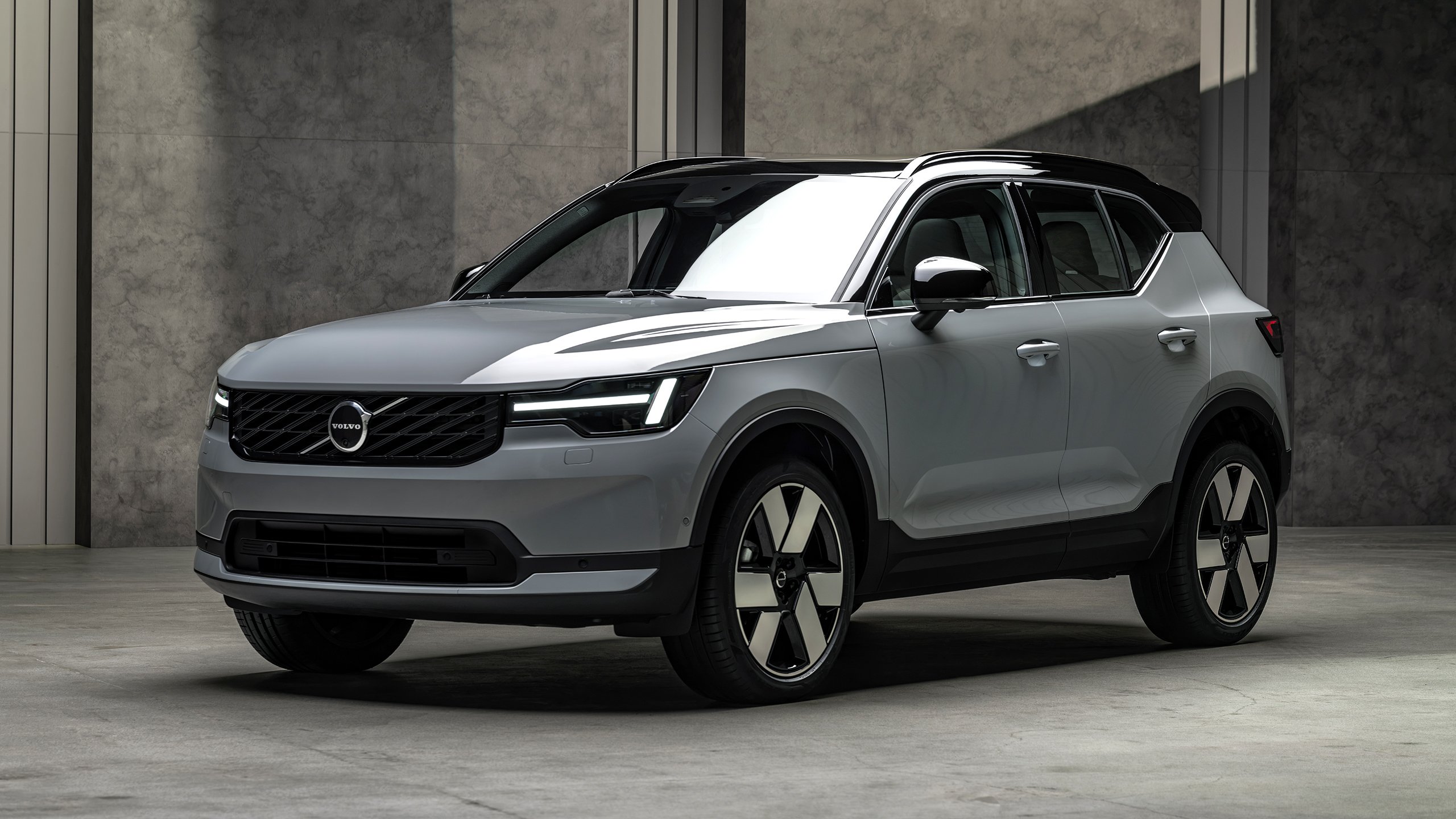
Volvo's XC40 has been part of the Swedish brand's American lineup since 2018, and with the current generation approaching its tenth year, the compact crossover is finally getting a meaningful round of updates for the 2027 model year. Volvo's changes touch nearly every part of the ownership experience: fresh exterior lighting, a redesigned tailgate, a larger and smarter infotainment display, new upholstery choices, and — perhaps most significantly — a fully reworked suite of driver-assistance sensors.
The XC40 occupies a peculiar but important position for Volvo. It is not technically the brand's least expensive model, since the electric EX30 slips in roughly $1,000 below it. It is, however, the most affordable gasoline-powered Volvo on sale, and it ranks as the third-best-selling nameplate the company has in the United States. That combination of volume and accessibility makes keeping the XC40 competitive a priority, even as Volvo pushes toward electrification.
Front and Rear Styling Moves Closer to the Rest of the Range
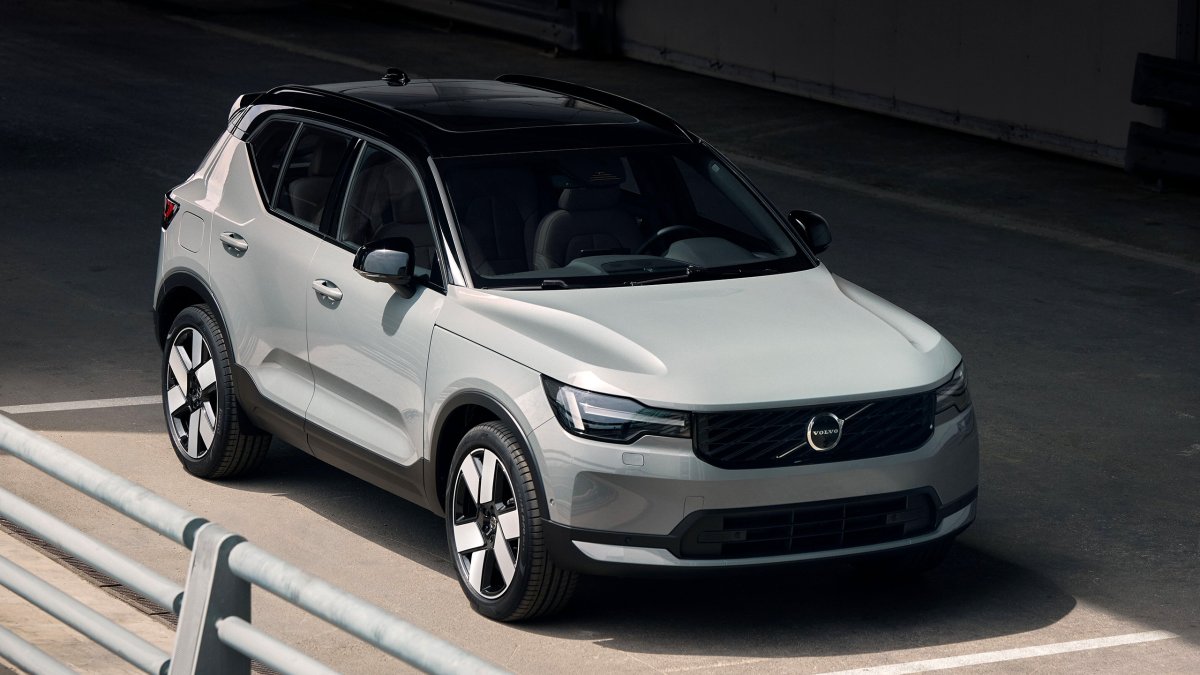
The most visible changes arrive at the front of the vehicle, where the XC40 adopts newly shaped headlights that echo the design language used across Volvo's newer models. The signature "Thor's Hammer" LED daytime running lights — a sideways-T arrangement named for the mythological weapon — have been stretched outward, now running from the outer edges of the fascia all the way to the grille.
It is a restrained revision rather than a dramatic restyling, but it serves a clear purpose: bringing the compact SUV into visual alignment with the rest of Volvo's showroom lineup. Buyers cross-shopping an XC40 against larger Volvo models will now find a more consistent family resemblance.
A Re-Sculpted Tailgate
At the rear, Volvo has reshaped the tailgate, adding more pronounced horizontal creases across its center section. The LED graphics inside the brake lights have also been revised. Together, the front and rear changes give the XC40 a subtly fresher look without abandoning the boxy proportions that have defined it since launch.
Inside, a Larger Screen and Google's Gemini Assistant
The cabin receives one of the more consequential updates in the form of a bigger central display. The previous 9-inch infotainment touchscreen has grown to 11.2 inches, and it now extends outward from the center of the dashboard rather than sitting flush within it. The new arrangement gives the screen a more prominent, standalone presence.
Software remains Google-based, meaning the system continues to rely on Google services for navigation, voice control, and app access. The notable addition is Gemini, Google's AI assistant, which Volvo says should improve the system's ability to interpret and correctly answer natural-language requests — the kind of conversational commands that older voice systems often fumble.
A New Upholstery Option
Volvo is also introducing a fresh color choice called Arianne Cardamom. The treatment is light in tone but noticeably warmer than the Blond leather that has long been a staple of Volvo interiors. The XC40's cabin continues to be offered in both light and dark leather colorways, giving buyers room to tailor the look.
The Driver-Assistance Overhaul Is the Real Story
Arguably the most substantial upgrade for 2027 sits beneath the sheet metal, where Volvo has fitted the XC40 with a comprehensive new set of advanced driver-assistance hardware. The sensor suite has been replaced wholesale rather than merely retuned.
- New radar units at both the front and rear of the vehicle
- A new forward-facing camera
- New cameras for the parking system
- Twelve additional ultrasonic sensors
The goal, according to Volvo, is to give both the vehicle and its driver a sharper, more complete picture of the surrounding environment. More sensors and better cameras translate directly into features that were not previously available on the XC40.
Door Opening Alert and a 3D Surround View
Among the new capabilities is Door Opening Alert, a safety feature designed to warn occupants of approaching traffic or obstacles before they swing a door into the path of a cyclist, pedestrian, or passing vehicle. The 360-degree camera system has also been upgraded and can now render a three-dimensional view of the area around the SUV, which should make tight parking situations easier to manage.
Pilot Assist Learns to Change Lanes
Volvo's self-steering Pilot Assist system receives meaningful new abilities as well. It can now handle lane changes, and Volvo says it will follow the road more smoothly than before. Those are incremental improvements on paper, but they matter in daily driving, where the difference between a system that feels hesitant and one that tracks lane geometry confidently can shape whether owners actually leave it switched on.
Why the Refresh Matters for Volvo
The XC40's age is not unusual for a compact crossover, but it does put pressure on Volvo to keep the model compelling against a wave of newer competitors. A nearly decade-old platform with a modest refresh has to lean on design cohesion, cabin technology, and safety content to stay relevant — and that is precisely where Volvo has concentrated its efforts for 2027.
There is also a strategic dimension. The XC40 remains the entry point for buyers who want a Volvo but are not ready to go electric, and the EX30's roughly $1,000 price advantage means the gas model has to justify itself on more than sticker price alone. By adding a larger display, an AI-capable voice assistant, new upholstery, and a substantially upgraded sensor suite, Volvo is positioning the XC40 as a modern vehicle rather than a legacy holdover.
For shoppers who value driver-assistance technology above all else, the 2027 model year represents the most significant XC40 update in years. The combination of new radars, cameras, and ultrasonic sensors — along with features like Door Opening Alert and lane-change-capable Pilot Assist — moves the compact SUV closer to the safety and convenience standards set by Volvo's newer products.
The Bottom Line
The 2027 Volvo XC40 is not a redesign, and Volvo is not pretending otherwise. It is a careful, targeted refresh aimed at the areas where an aging model shows its age fastest: lighting design, cabin technology, and the sensor hardware underpinning modern driver assistance. For a vehicle that has been on sale since 2018 and serves as Volvo's most accessible gas-powered offering in the United States, that kind of attention is both warranted and overdue.
This article is based on reporting by The Drive. Read the original article.
Originally published on thedrive.com