The luxury automotive segment is in the middle of a stunning reversal. While Ferrari and Bugatti continue to move seven-figure machines and mainstream automakers like Kia post impressive results, the middle of the ultra-luxury market is cratering. Porsche, Bentley, Aston Martin, and Maserati are all feeling the heat, and the problems go deeper than a simple dip in demand. Compounding the misery, some Porsche dealers are making a difficult situation even worse by pushing customers into vehicles they never wanted as a condition for accessing the models they actually desire.
A Tale of Two Luxury Markets
The auto industry has always been segmented, but the current divide is striking. At the very top, Ferrari and Bugatti are doing just fine, selling ultra-exclusive automobiles with price tags that start well into seven figures. At the other end, Kia is enjoying a sales boom. The trouble is concentrated in what might be called the attainable-luxury lane: brands like Bentley, Porsche, and Aston Martin, which depend on volume far greater than true exotic carmakers but whose margins and pricing still place them well above the mass market.
That positioning creates a unique vulnerability. Bentley, for instance, can produce low-volume specialty models like the Supersports, but it is not a brand built to survive on tiny volumes the way Ferrari or Bugatti can. The profit margins simply are not there to sustain a business model that relies on occasional super-exclusive variants. When sales dry up across the lineup, there is little to cushion the blow.
Porsche's Alarming Slide
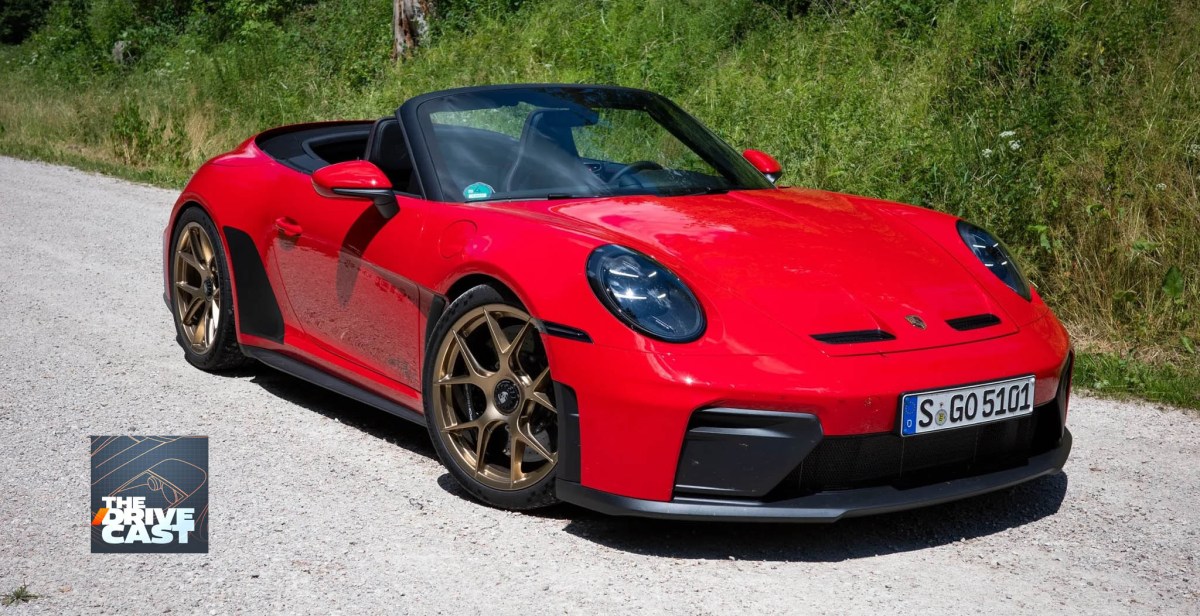
Porsche is facing what has been described as catastrophic sales numbers, marking the iconic automaker's worst year since 2009. The German brand, long considered one of the most resilient names in the industry, is suddenly grappling with a reality that would have seemed unthinkable just a few years ago. The decline is broad, but it is especially painful in the United States, where the brand has developed a loyal following across models like the 911, Cayenne, and Macan.
Dealers are not helping the situation. In fact, some are making it considerably worse. Reports and industry chatter point to a practice in which Porsche dealers are pushing customers into buying cars they do not want as a condition for gaining access to the cars they do want. This kind of allocation manipulation is hardly new in the automotive world, but at a moment when demand for the brand's core models is already weakening, alienating buyers with such tactics is a dangerous gamble. Customers who would have been patient and loyal are walking away, and those who remain are increasingly frustrated with the process.
Bentley's Brutal July
Bentley's situation is equally troubling. The British marque sold fewer than 150 cars in July, a shockingly low number for a brand that needs far more substantial volume to justify its manufacturing footprint and development costs. While Bentley has long positioned itself as an ultra-luxury player, its business model has relied on consistent demand for models like the Continental GT and Bentayga. That demand has evaporated.
Some of Bentley's struggles can be attributed to the same broader market forces affecting Porsche, but the brand faces its own structural challenges. Low-volume specialty cars like the Supersports are not enough to carry the company. Unlike Ferrari or Bugatti, Bentley cannot retreat to an ultra-limited-production strategy without risking severe financial strain. The brand needs a steady stream of sales across its portfolio, and that stream has slowed to a trickle.
Aston Martin's Train Wreck
Aston Martin's current reality is even more troubling. Revenue is down 21%, a dramatic decline for a company that was already struggling to find stable footing. The source describes Aston Martin's situation as a "train wreck," and the numbers appear to back that assessment. The brand has spent years attempting to reinvent itself, launching new models and chasing a broader audience, but the results have been disappointing.
Maserati's bleak situation further illustrates the depth of the problem. The Italian brand has been struggling for years, caught between its heritage and an inability to compete with more focused rivals. Together, Aston Martin and Maserati serve as cautionary tales for what happens when luxury brands lose their identity or fail to adapt to changing market conditions.
The Volkswagen Group Connection
Complicating matters further, both Porsche and Bentley are owned by the Volkswagen Group. This creates a double burden for the sprawling automotive conglomerate. When two of its most prestigious brands are simultaneously facing serious sales declines, the financial pressure multiplies. Volkswagen has historically relied on Porsche to generate substantial profits, and Bentley, though smaller, has been part of the group's push into the upper echelons of luxury.
The grouping also means that decisions about future models and investments are made at a corporate level, potentially slowing the response time for individual brands. A brand like Porsche, once celebrated for its agility, must now navigate the priorities of a much larger organization. That can be a disadvantage in a rapidly shifting market.
Electric Ambitions Meet a Hesitant Market
Both Porsche and Bentley are betting heavily on electric vehicles, but that bet is not paying off as quickly as hoped. The electric Cayenne and Macan are described as fantastic in their own ways, but the American market is currently on what the source calls the "struggle bus" when it comes to EV adoption. Demand for electric vehicles has cooled, and infrastructure concerns remain.
Originally, gas-powered replacements for the Macan and Cayenne were not even part of the plan. That decision now looks risky. The Cayenne and Macan SUVs once saved Porsche from financial trouble, but whether their electric successors can repeat that feat is far from clear. If American consumers are not ready to fully embrace EVs, Porsche could find itself without a compelling offering in the very segments that once drove its success.
No Quick Fix in an Expensive Game
One of the most important lessons from this downturn is that cars cannot be designed and developed overnight. Bringing a new model to market takes years and costs billions of dollars. Automakers cannot simply flip a switch and produce a gas-powered Macan or Cayenne if electric demand falls short. They are locked into decisions made years ago, and those decisions are now playing out in real time.
For Porsche, Bentley, Aston Martin, and Maserati, the road ahead is uncertain. They are all trying to navigate a market that has shifted beneath their feet, and the tools they once used to weather downturns may no longer be available. The luxury segment is not about to disappear, but the structure that defined it for decades is cracking.
The Drivecast recently took an in-depth look at this crumbling luxury car market, exploring why it is happening and what might come next. The conversation highlights a sobering reality: even the most storied names in the automotive world are not immune to the forces reshaping the industry. Whether these brands can reinvent themselves again, or whether some will be left behind, remains an open question.
This article is based on reporting by The Drive. Read the original article.
Originally published on thedrive.com