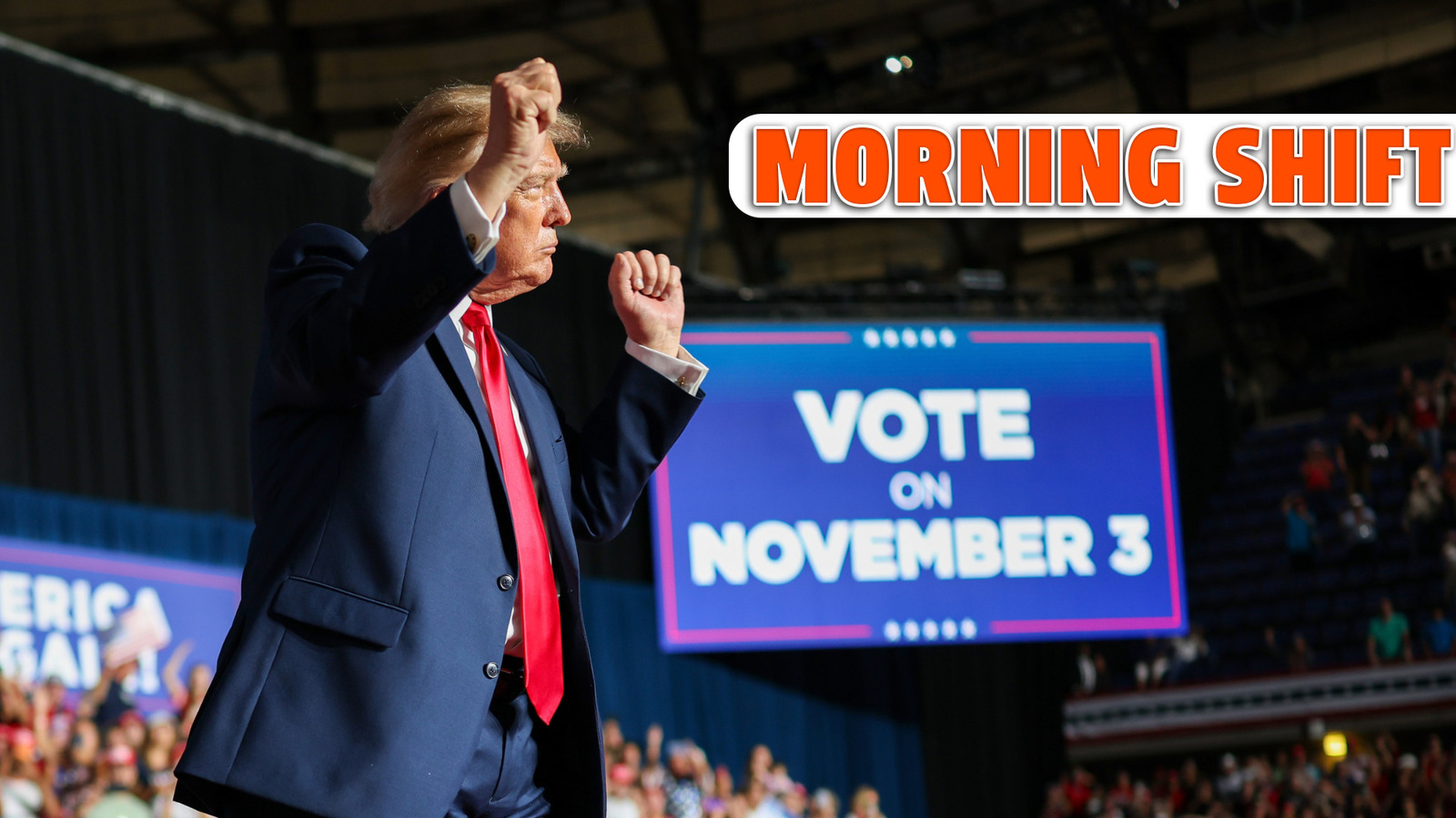
In a sharp escalation of the ongoing trade dispute between the United States and Canada, President Donald Trump signed new executive orders on Aug. 8 that analysts say are designed to ramp up retaliation measures against Ottawa. The move comes in direct response to Canada's latest imposition of counter duties on a range of American goods, a decision that has drawn the ire of Washington's trade representative, who squarely placed the blame on Canada for the deteriorating situation.
According to the Automotive News report, the executive orders signed by President Trump represent a significant intensification of the trade war that has been simmering for months. The orders are intended to counterbalance the duties that Canada has levied against U.S. products, creating another layer of friction in an already strained economic relationship between the two neighbors and trade partners.
The Trade Czar's Accusation
The U.S. trade czar, in comments following the president's action, expressed that Canada is responsible for the escalation. This framing suggests that Washington views its own measures as defensive and reactive, while characterizing Canada's latest duties as the provocative act. The trade czar's role in crafting and implementing trade policy makes this statement a critical insight into the administration's rationale.
By blaming Canada, the trade czar sets the stage for further actions, arguing that the United States is not the aggressor but rather has been forced into a position of protecting its own economic interests. This narrative is likely intended to bolster domestic support for the tariffs and to pressure Canada into reconsidering its trade stance.

Canada's Counter-Duties Explained
The details of Canada's latest counter-duties, while not fully enumerated in the article, are described as a set of responses to prior U.S. tariffs. Such counter-duties typically target specific industrial sectors, including metals, agriculture, and manufactured goods, which are politically sensitive in the United States. In response, the new executive orders raise the stakes, potentially by increasing tariff rates, expanding the list of affected Canadian goods, or introducing new non-tariff barriers.
This back-and-forth is characteristic of a trade war spiral, where each side attempts to match or exceed the other's actions. According to international trade law, counter-duties can be justified as rebalancing measures if the original tariffs are deemed unfair or subsidized. However, the rapid progression of measures threatens to cross into punitive territory that could have long-lasting effects on North American trade.
Automotive Sector in the Crosshairs
For the automotive industry, this escalation is particularly concerning. Both the United States and Canada are deeply integrated in the production of vehicles and parts, with supply chains spanning the border multiple times before a vehicle is fully assembled. The imposition of new tariffs on automotive goods can disrupt these intricate networks, raising costs for manufacturers and ultimately for consumers.
The executive orders likely target automotive components or finished vehicles, given the significance of this sector in cross-border trade. For instance, Canada is a major supplier of aluminum and steel, which are essential inputs for automobile manufacturing. Tariffs on these materials would have ripple effects on car prices. Moreover, Canada has threatened to impose duties on specific U.S. products that are politically sensitive, such as those from states that are key to Trump's electoral base, though these specific details remain omitted from the report.
The automotive industry in the United States has traditionally relied on the zero-tariff environment established by the USMCA (the U.S.-Mexico-Canada Agreement), which replaced NAFTA in 2020. The current trade war threatens to undermine the very principles of that agreement, adding a new layer of uncertainty for automakers and suppliers. Many industry experts fear that a prolonged dispute could lead to job losses and reduced competitiveness against foreign manufacturers who do not face such barriers.

The Broader Economic Impact
Beyond vehicles, the trade sanctions are likely to affect a wide range of products from dairy to aerospace. Canada has hinted at retaliatory duties on goods ranging from orange juice to kitchen cabinets, which are produced in areas that are politically important to the Trump administration. Thus, the executive orders may represent an effort to protect these constituencies, even as they risk alienating Canadian consumers and businesses.
The volume of trade between the two countries is immense, with billions of dollars in daily exchange. Even a modest increase in tariffs can shift supply chains, impact currency values, and alter the economic competitiveness of various industries. The uncertainty itself can be damaging, as companies delay investment decisions pending clarity on the future trade regime.
Political and Diplomatic Repercussions
The escalation also complicates the diplomatic relationship between Washington and Ottawa. Canada is typically one of the United States' closest allies, sharing not just a border but also security and intelligence networks. Economic conflict can spill over into other areas of partnership, making joint action on issues like defense, energy, and global trade policy more difficult.
The Canadian government has framed its counter-duties as necessary and proportionate, potentially citing its right under international law to defend its interests. If the United States continues to escalate, Canada may have no choice but to respond again, leading to a tit-for-tat pattern that benefits no one. The trade czar's insistence that Canada is to blame might be an attempt to force Ottawa into concessions, but it also risks hardening the Canadian position.

What Lies Ahead?
With President Trump's new executive orders now signed, the immediate next step will be to see how Canada reacts. The trade czar's comments suggest that Washington anticipates further Canadian responses and is prepared to take additional measures. It is unclear whether there is any appetite for negotiations to de-escalate the tension. Some analysts believe that the executive orders may be a bargaining chip, intended to bring Canada back to the negotiating table with significant leverage.
However, the prolonged dispute could have significant consequences for the global economy. As the United States and Canada engage in trade warfare, other countries watch closely, as the actions could set a precedent in the broader movement toward protectionism. The role of the USMCA in mediating trade disputes could be diminished if the parties choose to bypass its mechanisms in favor of retaliatory measures.
For now, industry stakeholders are bracing for potential price increases and supply disruptions. The automotive sector, which operates on tight margins and just-in-time manufacturing, is particularly vulnerable. Many companies are already exploring ways to reroute supply chains or pass costs onto consumers. The full impact of the Aug. 8 executive orders will likely be analyzed in the coming weeks as businesses work to navigate these new barriers.
Ultimately, the blame game that the trade czar has engaged in may satisfy domestic political pressures, but it does little to solve the underlying issues. Both nations have legitimate economic grievances, but escalating tariffs is a blunt instrument that risks causing collateral damage. The hope among trade watchers is that cooler heads will prevail, and that a negotiated settlement can be reached, restoring the mutually beneficial trade relationship that has long existed between Canada and the United States.
This article is based on reporting by Automotive News. Read the original article.
Originally published on autonews.com