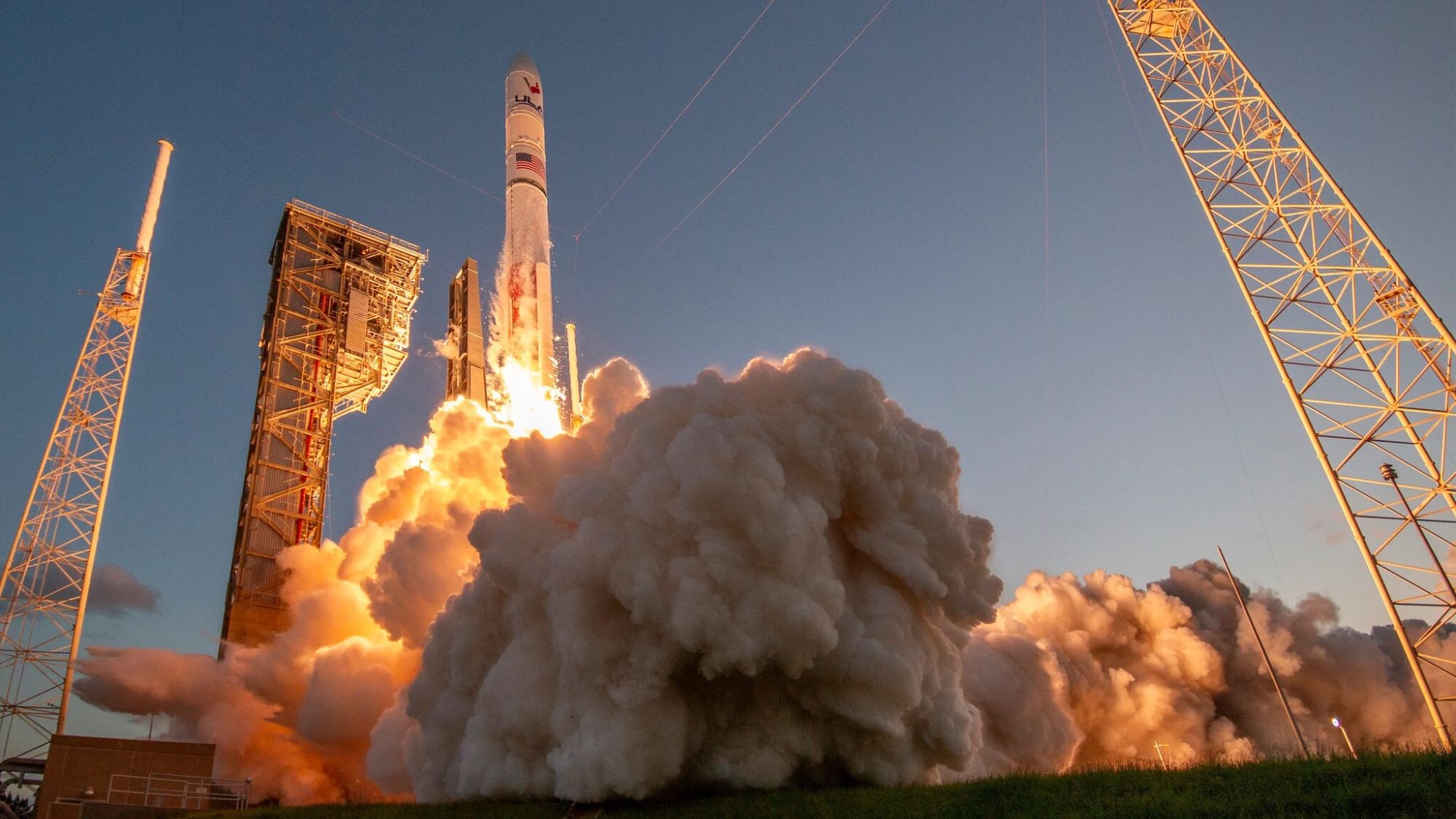
United Launch Alliance has reportedly suffered the first total mission failure of its Vulcan rocket program after a launch carrying 40 Amazon Leo internet satellites malfunctioned during ascent. The reported loss is a major setback for both the launch provider’s new heavy-lift vehicle and Amazon’s satellite-internet effort.
According to the supplied report excerpt, the rocket malfunctioned during its climb to space on Sunday, dooming the payload. The mission was carrying a batch of Amazon Leo satellites intended for the company’s internet-satellite network.
The available source material does not identify the cause of the malfunction, the precise point in flight at which it occurred, or whether an investigation has begun. Those details will be critical before firm conclusions can be drawn about the failure or its effects on future launches.
A consequential loss for a new launch system
Vulcan is United Launch Alliance’s new heavy-lift rocket. A total mission failure on a vehicle of that significance has immediate consequences beyond the loss of the individual payload. Launch systems are built around confidence in hardware, operations and the ability to investigate anomalies quickly and transparently. When a mission is lost, the launch provider must establish what happened and determine what, if anything, must change before the rocket returns to service.
The reported failure is especially notable because it is described as ULA’s first total mission failure with Vulcan. The distinction matters: a complete loss of mission means neither the rocket’s primary objective nor the payload delivery objective was achieved.
For ULA, the next phase will be defined by technical evidence rather than early speculation. Flight data, telemetry, hardware information and mission operations records are typically central to understanding a launch anomaly. Until an official account is released, claims about the mechanism of failure would go beyond the information available here.
Impact on Amazon Leo
The lost payload consisted of 40 Amazon Leo satellites. Satellite constellations depend on repeated launches to build and maintain the number of spacecraft required for service. A failed launch therefore affects more than a single batch of satellites: it can alter deployment sequencing, available launch capacity and the timetable for placing a network in orbit.
The supplied report identifies the payload as Amazon Leo internet satellites, linking the mission directly to Amazon’s planned space-based connectivity effort. The loss means those 40 spacecraft did not reach their intended destination. It does not, on the information provided, establish the broader status of the Leo program or any revised schedule for future satellite deployments.
Still, the immediate effect is plain. A launch that was meant to add capacity to a satellite network instead produced a loss of launch vehicle mission and payload. Replacing satellites and securing subsequent rides requires time, planning and resources, even when a constellation has multiple planned deployment missions.
Why investigations matter
Rocket failures are technically complex events. A problem during ascent can involve propulsion, structures, avionics, software, stage separation, ground operations or other systems. The source excerpt only states that Vulcan malfunctioned during the climb to space. It does not support attributing the event to any particular component or operational decision.
That uncertainty is why an investigation will be the key development to watch. The most useful public findings would clarify the sequence of events, identify the initiating issue and explain any corrective actions needed for future flights. Such findings would also help customers and the wider launch market evaluate the practical implications for planned missions.
For Amazon, the investigation matters because its satellite deployment depends on dependable access to orbit. For ULA, it matters because a new heavy-lift vehicle’s credibility rests on demonstrating that failures are understood and addressed. The interests overlap: both companies need a reliable path back to successful missions, though their roles are different.

A setback, not yet a complete picture
The failure is already a significant event because of the number of satellites lost and the role Vulcan is intended to play in U.S. launch capability. But the available facts remain limited. The report establishes that the rocket malfunctioned during ascent and that the 40 Amazon Leo satellites were lost. It does not establish why the malfunction occurred, how long the vehicle may be grounded, or what future missions could be affected.
Those unanswered questions should shape how the event is understood. The loss is serious, but the technical and operational consequences will depend on evidence that has not yet been provided. A carefully completed investigation, followed by an explanation of any corrections, will determine whether this is an isolated launch failure or a problem with wider implications for the Vulcan program.
For now, the immediate record is stark: a Vulcan mission carrying 40 Amazon Leo satellites failed during ascent, marking a reported first total mission loss for the rocket and disrupting one planned step in Amazon’s satellite-network deployment.
This article is based on reporting by Spaceflight Now. Read the original article.
Originally published on spaceflightnow.com