A lunar impact with a larger warning attached
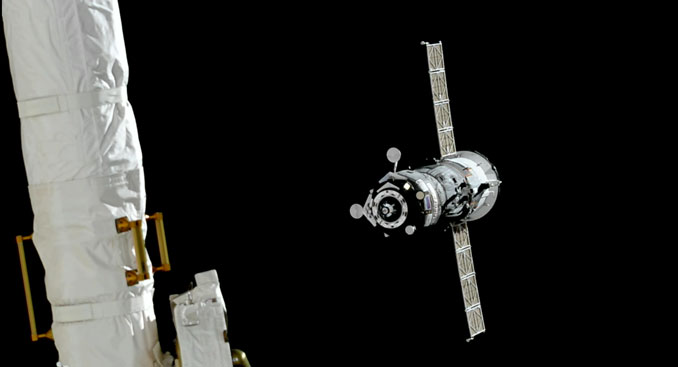
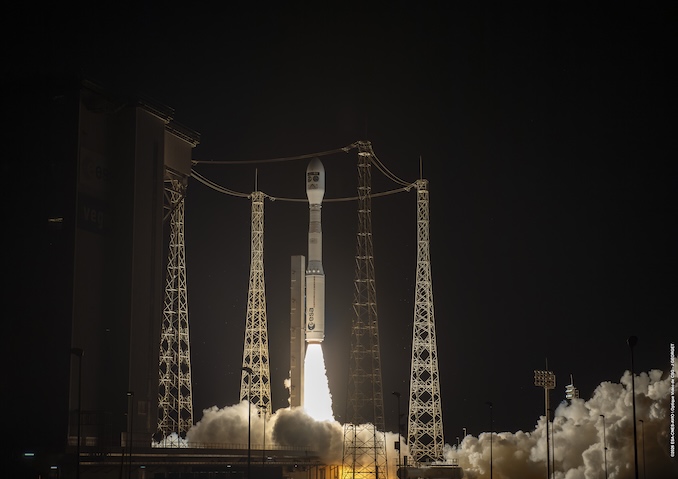
A spent upper stage from a SpaceX Falcon 9 rocket struck the Moon on August 5, adding a new crater to the lunar surface and renewing attention on a problem that is likely to grow as lunar traffic increases: unmanaged debris in cislunar space. According to the supplied source text, the object was a 13.8-meter-long stage with a mass of about 4,000 kilograms, left over from the launch that sent Firefly’s Blue Ghost Mission 1 and ispace’s HAKUTO-R Mission 2 “Resilience” toward the Moon in January 2025.
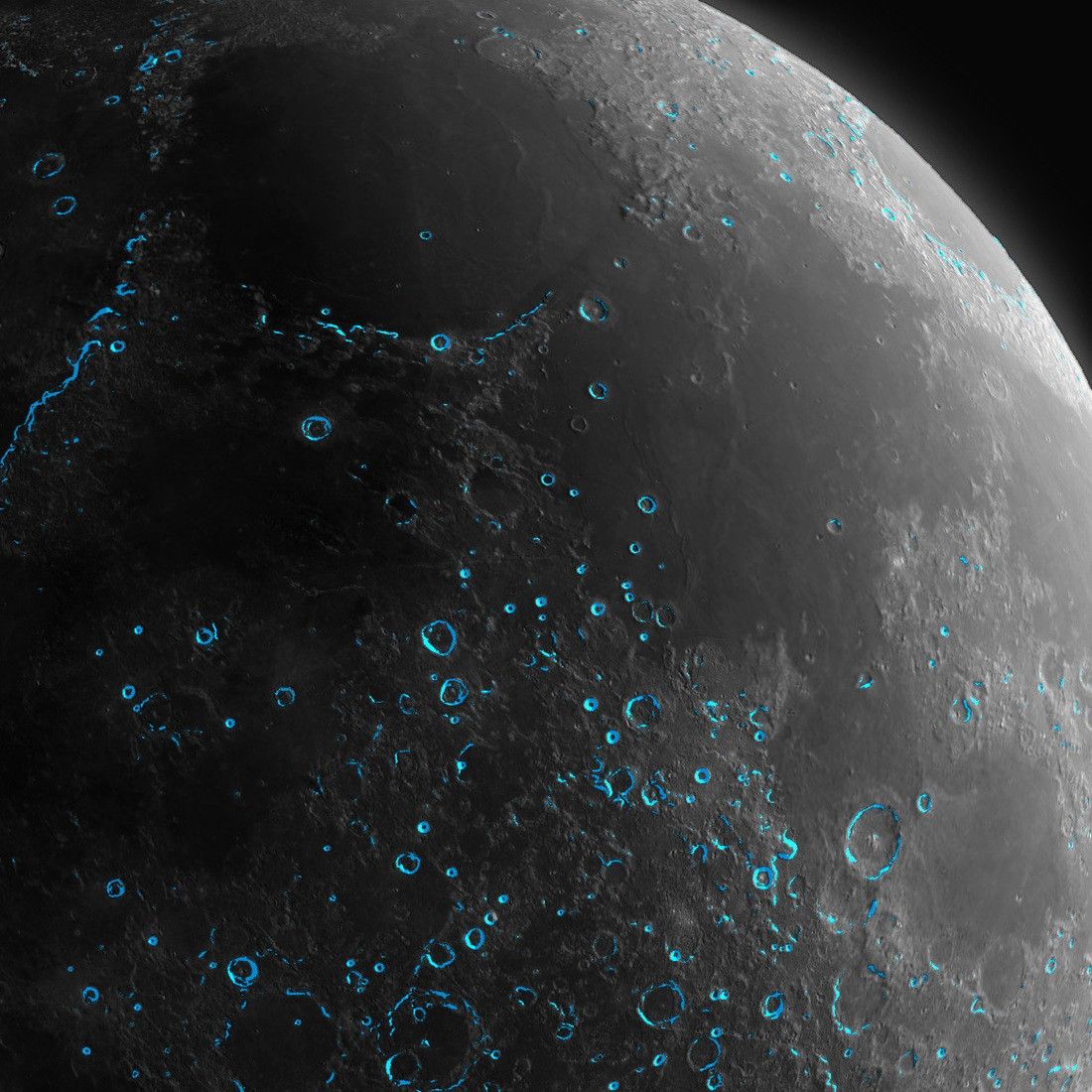
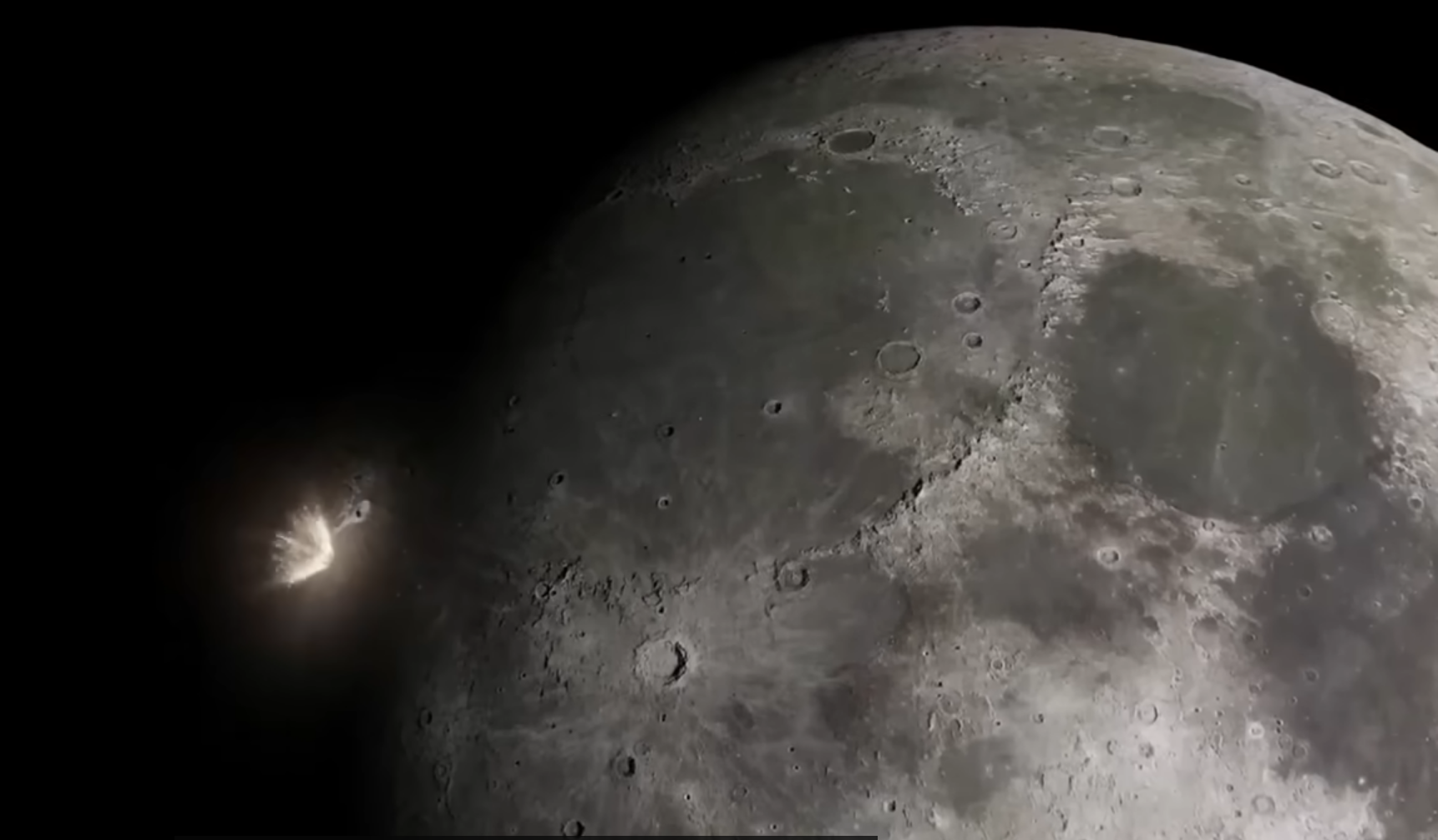
The impact occurred at 06:35 UTC on Wednesday, August 5, near the western lunar limb and close to Einstein Crater on the Moon’s dayside. Scientists had estimated in advance that the collision would create a crater roughly 20 to 27 meters wide and about 4 meters deep. Even before detailed follow-up analysis, the event stood out as more than a curiosity. It is a visible marker of how quickly lunar activity is expanding beyond the systems built to manage it.
No images captured the moment of collision directly, but the source text reports that viewers with the right equipment were able to observe the impact plume. That plume also produced scientific data. Astronomers using the European Southern Observatory’s Very Large Telescope in Chile detected lithium and sodium in material thrown up by the strike, evidence of the debris cloud created when the stage hit the surface at high speed.
What happened on impact
The upper stage was traveling at roughly 8,700 kilometers per hour when it hit. At that velocity, even a derelict piece of launch hardware becomes an energetic impactor. The Moon has no atmosphere to slow an incoming object and no weather to erase the resulting scar quickly, so collisions like this can leave durable traces in the landscape.
The source text says the Korean Pathfinder Lunar Orbiter, also known as Danuri, captured images of the site after the event. South Korea’s space agency stated that Danuri began observing roughly 30 minutes before the collision and then passed over the region multiple times, completing eight imaging sessions. Those observations reportedly confirmed changes in the terrain around the site and traces of ejecta spread by the impact.
That sequence gives researchers something valuable: before-and-after views tied to a known artificial impactor. In planetary science, controlled or well-characterized impacts can help researchers study crater formation, ejecta patterns, and the composition of surface material exposed by the strike. NASA also plans follow-up observations with the Lunar Reconnaissance Orbiter in collaboration with the Korea Aerospace Research Institute, according to the source text.
Ground-based telescopes were involved as well. The source says NASA’s Meteoroid Environments Office at Marshall Space Flight Center used telescopes to image the impact, adding another data source for reconstructing the event and its aftermath.

Why this is different from a random meteoroid
The Moon is hit constantly by natural objects, so one more crater is not, by itself, a crisis. The reason this event matters is that the impactor was not a meteoroid. It was a large, human-made remnant of a mission architecture that no longer controlled it. That distinction turns the strike into a governance issue as much as a scientific one.
In low Earth orbit, operators, regulators, and tracking networks have developed a more mature set of norms around space junk, conjunction warnings, and disposal planning, even if those systems remain incomplete. Cislunar space is a different environment. It is larger, operationally looser, and entering a phase of rapid growth driven by government missions, commercial landers, and future human exploration plans. That means more upper stages, transfer hardware, and mission leftovers will move through trajectories that can remain unpredictable over long periods.
The source text characterizes the incident as a bellwether, and that is the right frame. The Moon impact caused no reported harm to spacecraft in orbit or missions on the surface, but it highlights the absence of a robust debris-management regime beyond Earth orbit. As launch cadence increases and more missions target the Moon, leaving large hardware elements to drift until they strike the Moon or cross other mission paths will become harder to treat as an acceptable side effect.
The coming cislunar traffic problem
The upper stage involved here supported two lunar lander missions, a reminder that each successful launch can spawn a long tail of operational questions after the primary payload is delivered. Those questions will only multiply. Future lunar programs will involve landers, relays, crewed vehicles, cargo shipments, and support spacecraft operating in overlapping corridors between Earth and the Moon.
That growth raises several issues at once. One is tracking: knowing where inactive hardware is with enough precision over enough time. Another is disposal: deciding whether hardware should be directed into a controlled lunar impact, a graveyard trajectory, or another planned end state. A third is coordination: determining who is responsible for ensuring that spent stages do not become unplanned hazards for later missions.
The August 5 impact does not answer those questions, but it makes them harder to ignore. Because the event involved a known object and a known destination, it exposes the transition now underway in lunar operations. Human activity near the Moon is no longer rare enough to treat every leftover stage as an isolated case.
A warning written into the lunar surface
There is also a symbolic dimension to the event. For decades, the Moon has been seen both as a scientific archive and as the next arena for sustained off-Earth activity. A fresh crater made by discarded rocket hardware sits awkwardly between those two visions. It is scientifically useful in the short term, but it also points to a future in which expanding exploration leaves behind an increasingly messy operational environment.
The key point is not that one spent stage hit the Moon on August 5, 2026. The key point is that this type of event is becoming easier to imagine as routine. The more common lunar missions become, the more necessary it will be to treat cislunar debris planning as part of mission design rather than an afterthought. The Moon can absorb the impact. The question is whether lunar governance can keep up with the traffic now heading its way.
This article is based on reporting by Universe Today. Read the original article.
Originally published on universetoday.com