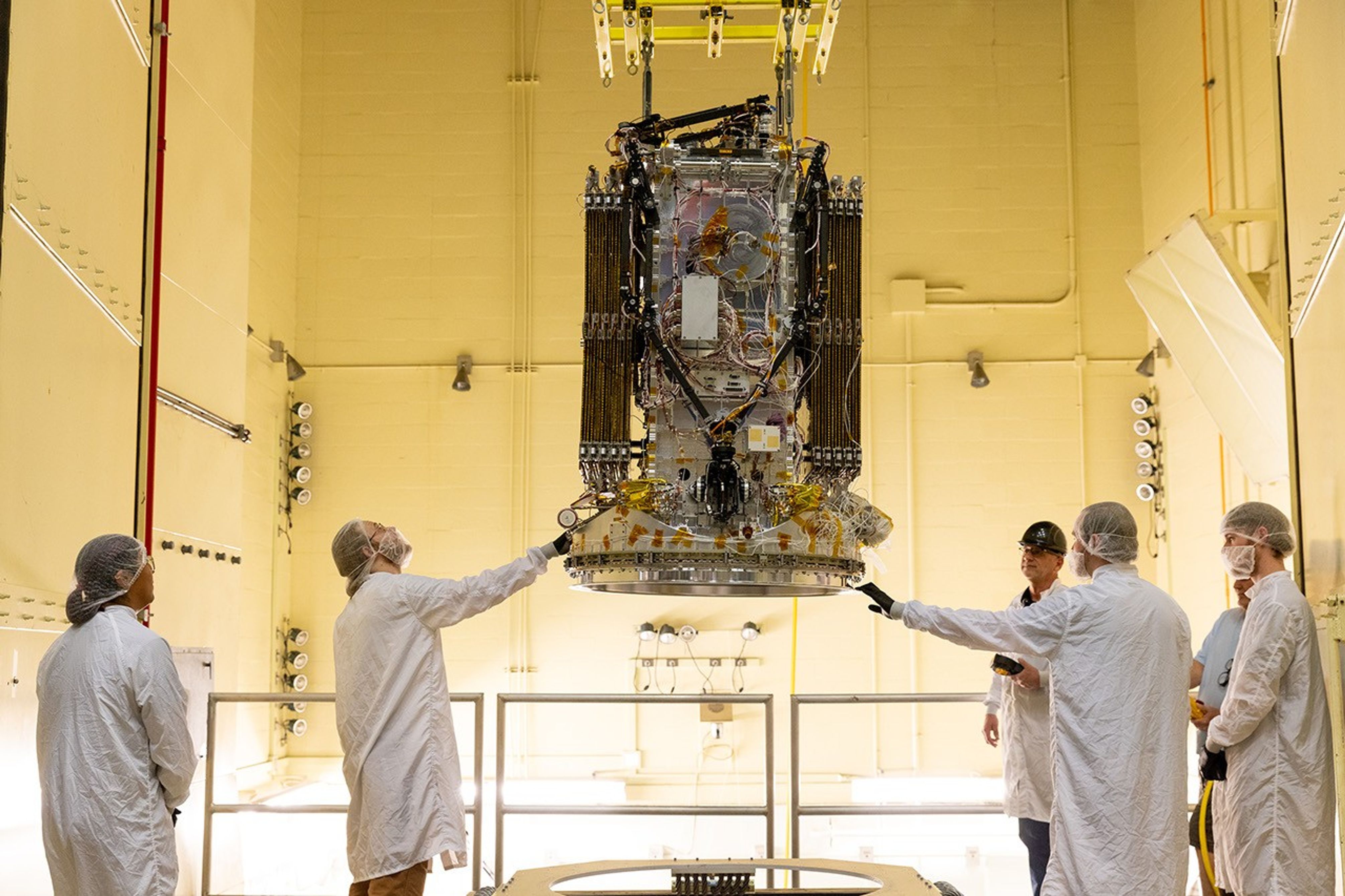
A new test for on-orbit servicing
NASA is preparing to spotlight a mission that could become an important demonstration of robotic satellite servicing in Earth orbit. The agency said Northrop Grumman’s Pegasus XL rocket will carry a Katalyst spacecraft called LINK on a mission designed to rendezvous with NASA’s Neil Gehrels Swift Observatory and raise its altitude, extending the life of a science mission that has been operating since 2004.
The event announced by NASA is formally a media advisory, but the underlying mission is the real story. If successful, LINK would show that aging spacecraft can be preserved not only through careful fuel management or software updates, but through direct robotic intervention in orbit. That possibility has long been discussed as a way to reduce replacement costs, extend missions and make space infrastructure more maintainable. Swift now offers a concrete target for that concept.
Why Swift matters
The Swift mission has become one of NASA’s most important high-energy observatories. Its job is to study gamma-ray bursts, often described as the most powerful explosions in the universe, while also tracking other energetic events and objects. When a fast, sudden event occurs in the cosmos, Swift serves as an early responder, rapidly identifying the event and providing information that lets other observatories follow up.
That role makes Swift more than a single telescope collecting isolated data. It is part of a broader scientific coordination system. By spotting high-energy transients quickly, it helps direct the attention of other spacecraft and ground-based instruments. Extending its life therefore preserves not only its own observations, but also a proven node in the wider astronomy network.

The mission architecture
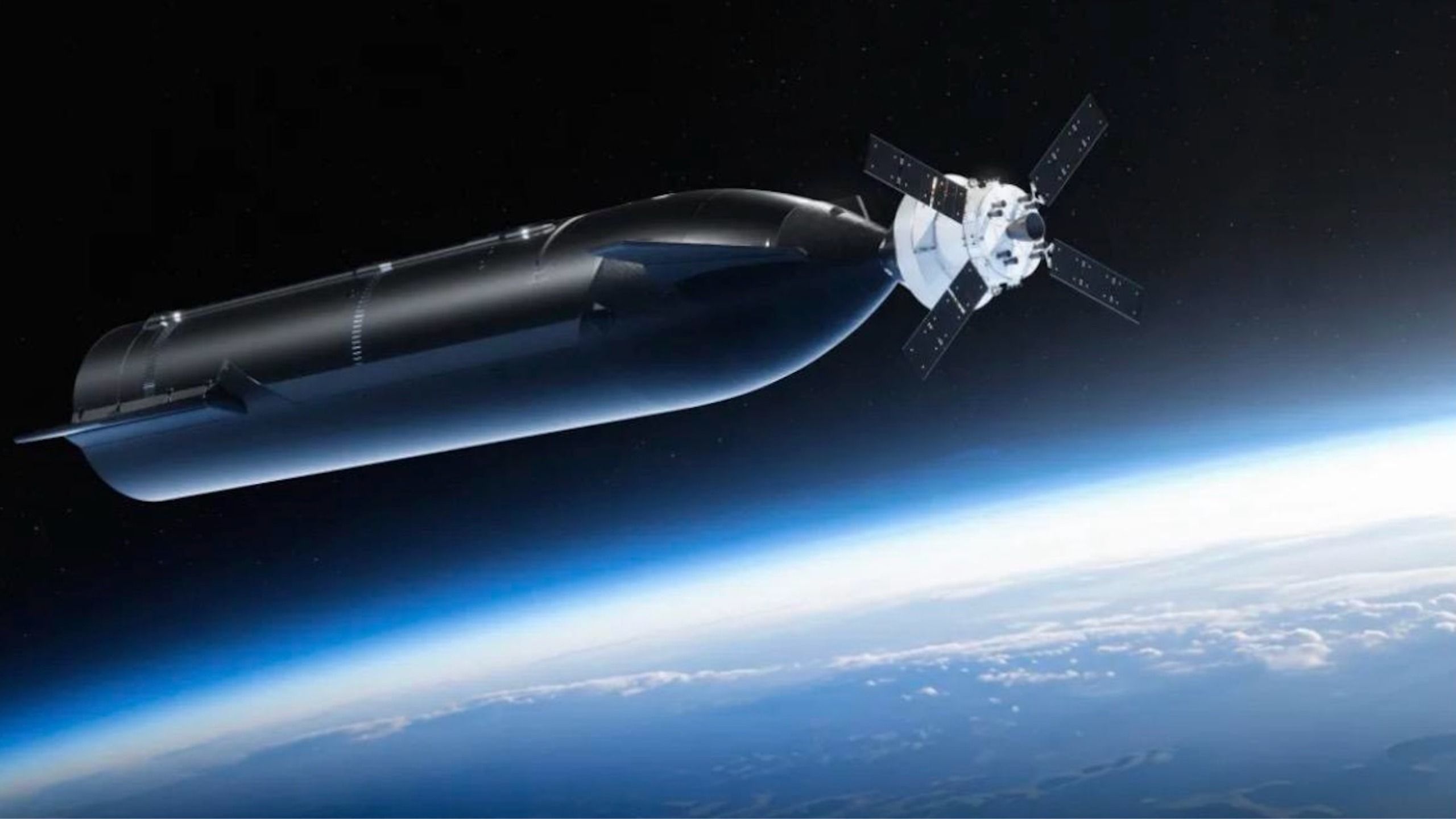
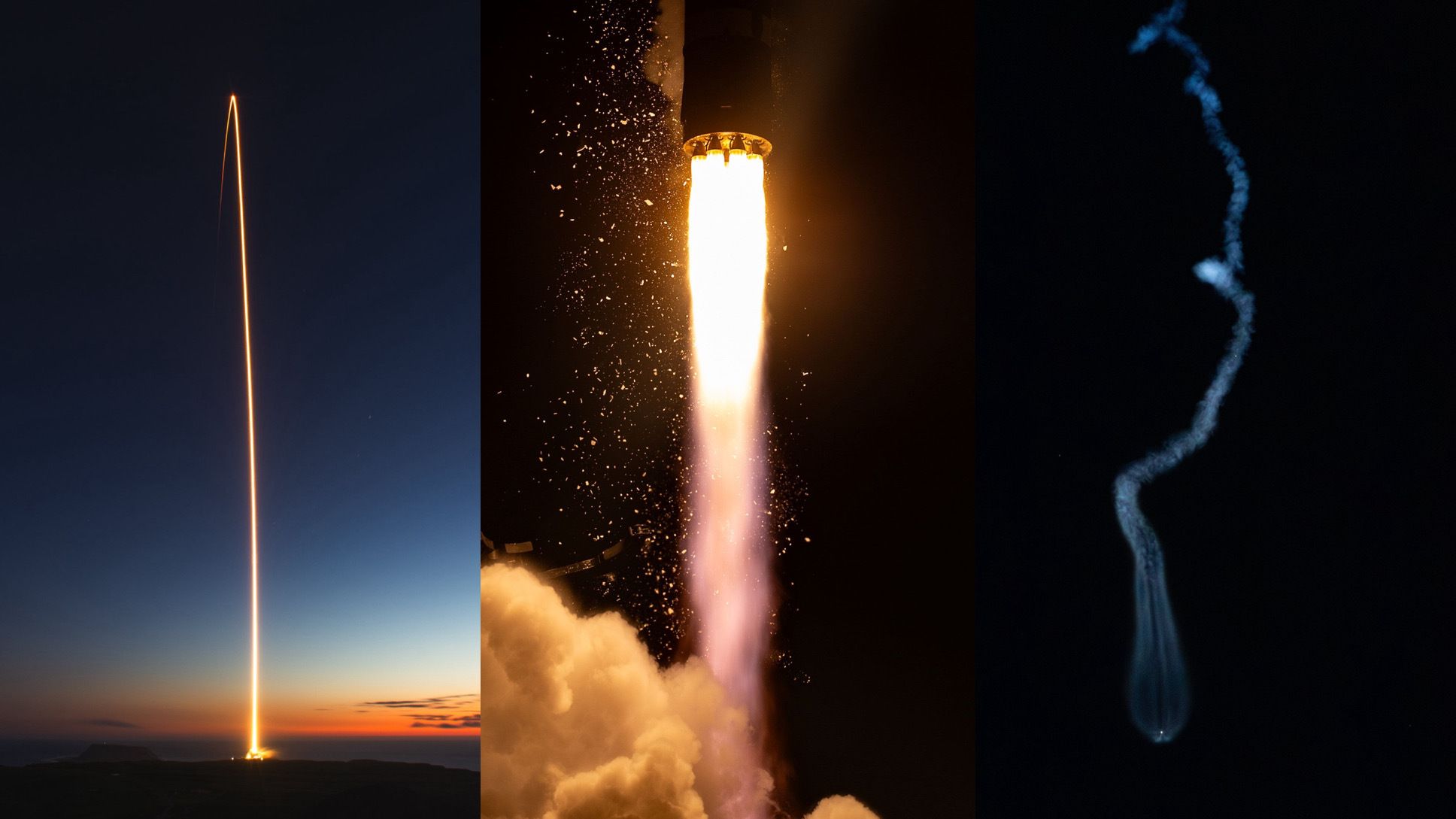
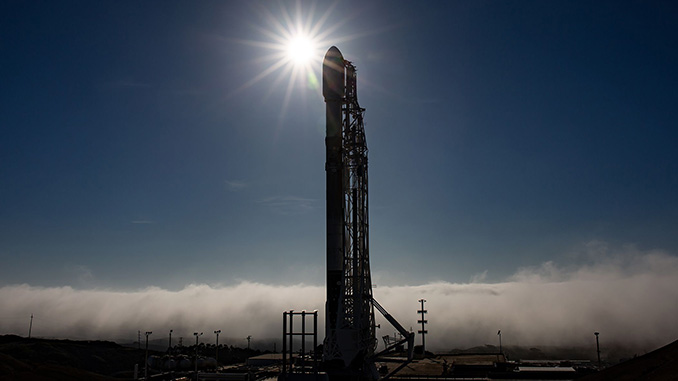
According to NASA, LINK will launch aboard Pegasus in late June. The rocket will be deployed by Northrop Grumman’s L-1011 Stargazer aircraft, a distinctive air-launch approach that releases the rocket at altitude before it continues to space. Once in orbit, the Katalyst servicing spacecraft is expected to rendezvous with Swift and raise its orbit. NASA’s wording makes clear that the servicing mission is focused on orbital boost rather than a broader in-space repair campaign.
Even that narrower task is significant. Rendezvous operations demand highly precise navigation, control and autonomy. Bringing one spacecraft close enough to another to perform a useful maneuver, without introducing collision risk, is one of the harder classes of space operations. Doing so with a robotic servicer aimed at extending a scientific satellite’s lifespan places the mission in a category with long-term implications for both civil and commercial spaceflight.
Why orbit boosting could matter beyond one telescope
For decades, most satellites have effectively been disposable once fuel margins, orbital decay or mission design limits were reached. On-orbit servicing offers a different model. A spacecraft might last longer if another vehicle can reposition it, refuel it, inspect it or help recover operational flexibility. NASA’s support for a mission like Swift’s orbital boost signals continued interest in making space assets less expendable.
That has practical value for science missions, which are expensive to design, launch and operate. If a robotic servicer can safely extend the useful lifetime of a proven observatory, the return on the original mission investment improves. It could also give agencies more flexibility in sequencing replacements, reducing pressure to retire capable spacecraft simply because orbital conditions become less favorable.
At a broader level, such capabilities matter for the future of orbital infrastructure. Space activity is becoming more complex, more crowded and more economically varied. Techniques that let operators maintain or reposition spacecraft could eventually support everything from scientific observatories to communications systems. A successful mission around Swift would not settle all of those questions, but it would add an operational example that policymakers, insurers and satellite builders can study closely.

What NASA is signaling
NASA’s advisory also shows that the agency sees value in presenting the mission publicly before launch. Media have been invited to Wallops Flight Facility in Virginia on June 17 to view the Pegasus XL rocket and the Stargazer aircraft, and NASA and Katalyst will host a teleconference that day to preview the mission. The spacecraft itself will already be encapsulated in the rocket, but NASA said media would receive imagery and video of LINK.
That level of staging suggests the agency views the mission as notable beyond routine launch coverage. NASA has increasingly supported commercial partnerships and operational demonstrations that sit between pure science and infrastructure development. A robotic orbit-boost mission for Swift fits that pattern well: it serves a working scientific asset while testing a capability that could shape the next phase of orbital operations.
A modest mission with large implications
In one sense, the Swift boost mission is straightforward. A robotic spacecraft will attempt to rendezvous with an older observatory and raise its altitude, extending the observatory’s scientific lifespan. In another sense, it is an indicator of how spaceflight is changing. Missions are no longer only about launching new hardware. They are increasingly about how existing hardware can be serviced, sustained and woven into longer-lived systems.
Swift has spent more than two decades watching the high-energy universe and helping other instruments respond when the cosmos erupts unexpectedly. The effort to preserve that role through robotic servicing points to a future in which longevity becomes a design feature of space operations, not just a fortunate outcome. If LINK succeeds, NASA will have demonstrated that the life of a scientific spacecraft can be extended not by hope or thrift alone, but by a deliberate new layer of orbital capability.
This article is based on reporting by NASA. Read the original article.
Originally published on nasa.gov