The station’s next cargo run is lined up for May 12
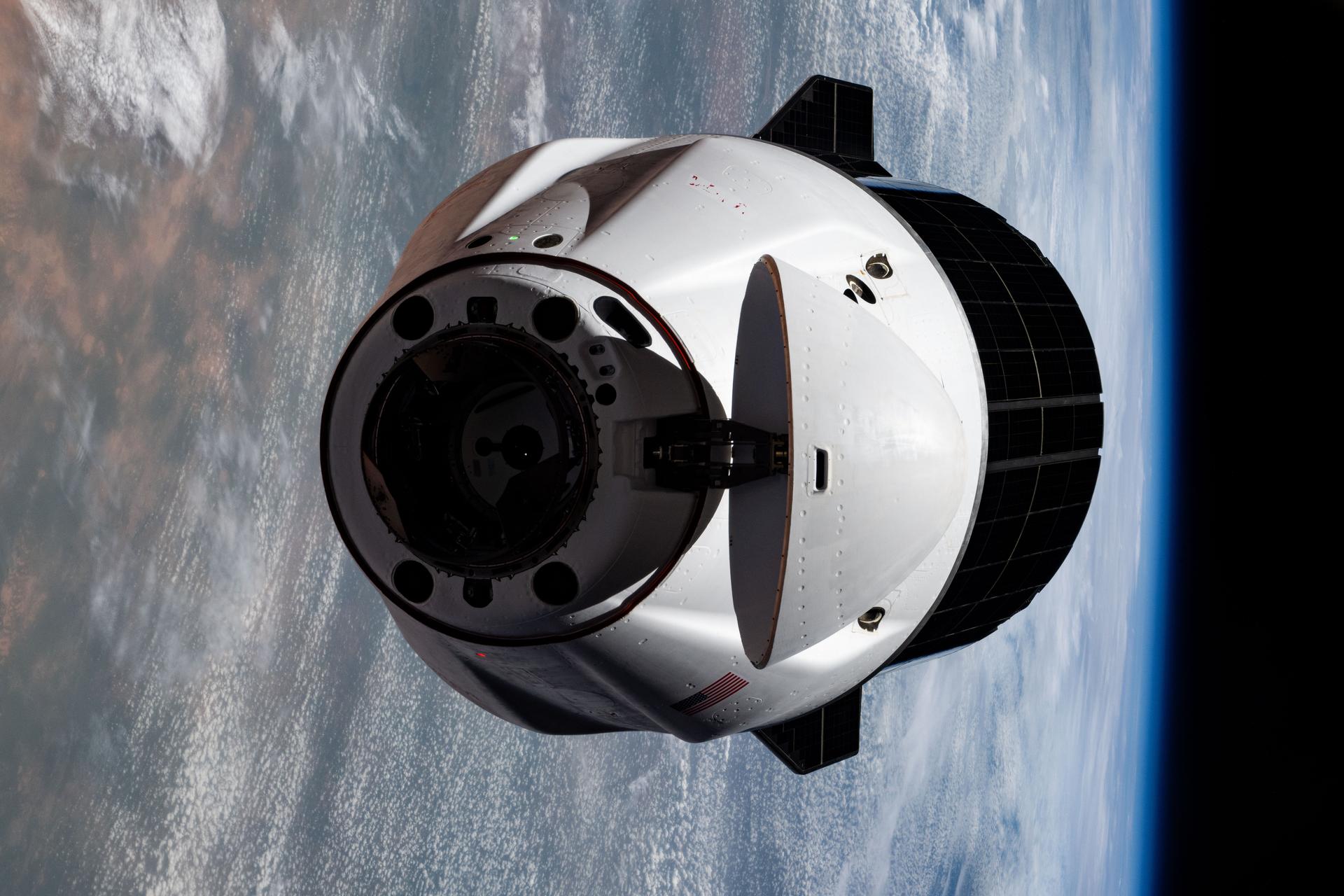
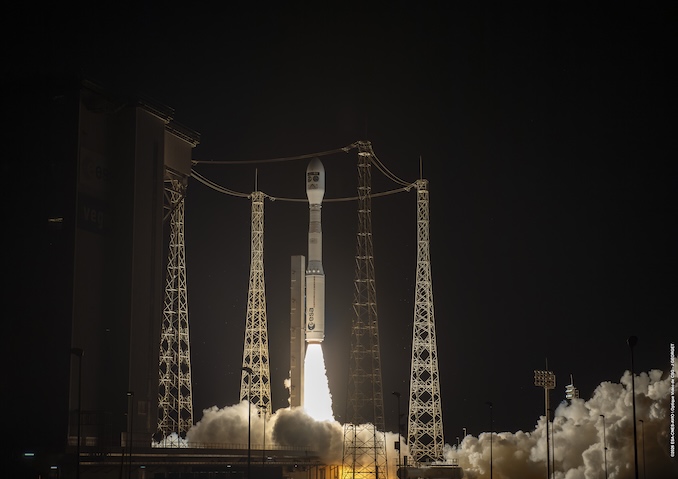
NASA and SpaceX are targeting 7:16 p.m. EDT on Tuesday, May 12, for the next cargo launch to the International Space Station, according to NASA. The flight will be the 34th SpaceX commercial resupply services mission to the orbital outpost for the agency, sending about 6,500 pounds of science, supplies and equipment aboard a Dragon spacecraft launched by Falcon 9 from Space Launch Complex 40 at Cape Canaveral Space Force Station in Florida.
Dragon is scheduled to dock autonomously at about 9:50 a.m. EDT on Thursday, May 14, attaching to the forward port of the station’s Harmony module. The spacecraft is then expected to remain at the station until mid-June before returning time-sensitive research and cargo to Earth with a splashdown off the coast of California.
Why these missions still matter
Cargo flights to the International Space Station can look routine after years of repeated operations, but their importance has only broadened. They do not simply keep the outpost stocked. They increasingly serve as the logistics backbone for a continuously operating orbital laboratory where crewed research depends on regular access to fresh hardware, biological samples and specialized payloads.
The CRS-34 mission is a good example. NASA says the Dragon will carry a diverse mix of experiments and instruments, spanning microgravity science, astronaut health, space environment research and Earth-observation calibration. That range illustrates one of the station’s enduring strengths: it remains a platform where many different scientific and engineering questions can be pursued at the same time under real spaceflight conditions.
The research slate is unusually broad
Among the investigations NASA highlighted is a project aimed at determining how well Earth-based simulators mimic microgravity conditions. That matters because much preflight research depends on terrestrial stand-ins for space. If those simulators are limited or inaccurate, researchers risk drawing the wrong conclusions before an experiment ever leaves the ground.
The mission will also carry a bone scaffold made from wood that could help produce new treatments for fragile bone conditions such as osteoporosis. That payload reflects a recurring theme in station research: using the unusual biological environment of microgravity to probe tissue behavior and material responses that are difficult to study on Earth in the same way.
Another experiment will evaluate how red blood cells and the spleen change in space, research aimed at helping protect future astronauts. Human physiology remains one of the biggest constraints on longer-duration missions, and station studies continue to build the evidence base needed for deeper exploration.
NASA also says Dragon will deliver a new instrument to study charged particles around Earth that can affect power grids and satellites. That expands the mission’s relevance beyond life science. Space weather and near-Earth particle environments have direct implications for infrastructure and spacecraft operations, making this research important for both exploration and terrestrial resilience.
Additional cargo includes an investigation that could improve fundamental understanding of how planets form and an instrument designed to take highly accurate measurements of sunlight reflected by Earth and the Moon. That final item is especially notable because calibration-grade observations of reflected sunlight can support Earth science by improving measurement accuracy.
Commercial resupply has become infrastructure
The 34th SpaceX resupply mission is another reminder that commercial cargo service is no longer a novel outsourcing experiment. It is part of the operational architecture of U.S. human spaceflight. SpaceX is providing the transport, while NASA defines mission needs and research priorities. The result is a system in which commercial launch and spacecraft capability are woven directly into scientific continuity aboard the ISS.
That continuity matters. Research timelines on the station often depend on predictable transportation windows. A delayed or disrupted cargo flow can affect not only consumables but also scientific scheduling, sample return and the sequencing of follow-on experiments. Reliable resupply therefore underpins the station’s value as a lab as much as any single payload does.
Public visibility remains part of the mission model
NASA says launch and arrival coverage will be available on NASA+, Amazon Prime and the agency’s YouTube channel. The agency also scheduled a prelaunch media teleconference for May 11 with officials from NASA, SpaceX and the 45th Weather Squadron. That public communications framework is worth noting because station operations increasingly function as both scientific work and civic demonstration. NASA is not only flying missions. It is also showing how commercial partnerships, public research and sustained human presence in orbit work together.
The next test of the ISS logistics machine
The May 12 launch will not define the future of the space station on its own. But it does show how mature the orbiting lab’s support system has become. A cargo vehicle carrying thousands of pounds of equipment and a mixed research manifest can now be planned, launched, docked and returned on a cadence that would once have seemed extraordinary.
That normality is one of the station program’s biggest achievements. Regular cargo service has turned low Earth orbit into a place where science can be staged repeatedly rather than occasionally. As long as that remains true, each resupply mission carries more than boxes and experiments. It carries the operational continuity that keeps orbital research possible.
This article is based on reporting by NASA. Read the original article.
Originally published on nasa.gov