SpaceX is set to add 24 more satellites to its broadband network
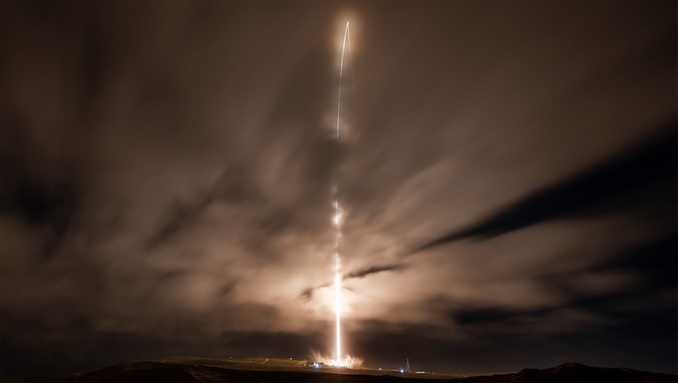
SpaceX is preparing to launch another batch of 24 Starlink satellites from Vandenberg Space Force Base in California, extending the pace of deployment for its low Earth orbit internet constellation. The mission, designated Starlink 17-29, is scheduled to lift off from Space Launch Complex 4 East at 7:35 p.m. PDT on May 5, or 0235 UTC on May 6.
The flight is SpaceX’s second dedicated Starlink mission of May and its 44th such mission supporting the constellation so far in 2026, according to the supplied mission coverage. It follows an earlier Starlink launch from Cape Canaveral on May 1, underscoring how the company continues to use both coasts to maintain a high launch cadence.
A constellation that keeps growing
The latest launch will add to a Starlink network that the source text says now exceeds 10,000 spacecraft. That number reflects the extraordinary scale of the constellation effort, which has turned routine launch operations into a core part of the company’s broadband strategy. Each batch incrementally expands system capacity and coverage, while also reinforcing SpaceX’s ability to replenish and refresh satellites already in orbit.
Starlink remains one of the clearest examples of a launch business feeding directly into a services business. Rather than flying payloads only for outside customers, SpaceX is using its own rockets to grow a network it also operates. The result is a feedback loop: reusable launch capability supports rapid constellation deployment, and the constellation gives the company a steady, recurring reason to keep launching.

Booster reuse stays central to the plan
For this mission, SpaceX plans to use Falcon 9 first-stage booster B1081, which will be flying for the 24th time. Previous missions for this booster include NASA Crew-7, PACE and CRS-29, showing how the company continues to rotate proven hardware across commercial and government flights.
That level of reuse is a major part of why launches like Starlink 17-29 can happen at such frequency. Reflight reduces the need to build an entirely new first stage for every mission and lets SpaceX treat launches with a more operational tempo. The booster’s return profile is also familiar: a little more than eight minutes after liftoff, B1081 is scheduled to attempt a landing on the drone ship Of Course I Still Love You.
If successful, the landing would mark the 195th recovery on that vessel and the 609th booster landing overall for SpaceX, based on the supplied figures. Those milestones are not just symbolic. They show how recovery and reuse have moved from experimental achievements to an expected part of normal mission execution.
Why this launch matters beyond another batch count
On the surface, a Starlink launch can look routine because so many now follow the same operational pattern. But that routine is itself significant. A constellation of this size depends on consistent deployment, and each successful mission demonstrates that SpaceX has turned high-cadence orbital delivery into repeatable infrastructure.
The California launch site also matters strategically. Missions from Vandenberg can support trajectories that complement those from Florida, giving SpaceX more flexibility in how it fills out orbital shells. The source text notes that Falcon 9 will depart on a south-southwesterly trajectory after leaving the pad, a reminder that launch geography helps shape how and where satellites are inserted.

The broader picture
As Starlink scales, the launches are becoming less about single-mission novelty and more about industrial continuity. SpaceX is not simply proving that reusable rockets work; it is using them to sustain a global communications buildout at a pace few operators could match. That combination of launch cadence, hardware reuse and direct control over both transport and service layers is what continues to set the Starlink program apart.
Whether viewed as a space operations story, a commercial connectivity story or a manufacturing story, Starlink 17-29 represents the same underlying theme: access to orbit is being industrialized. Every additional batch strengthens the network, and every successful booster recovery reinforces the system that keeps it growing.
If the mission proceeds on schedule, SpaceX will once again show how a launch that would once have been treated as a major standalone event now functions as a recurring step in the buildout of one of the world’s largest space-based infrastructure projects.
This article is based on reporting by Spaceflight Now. Read the original article.
Originally published on spaceflightnow.com