Citizen science reaches a publishing milestone at NASA
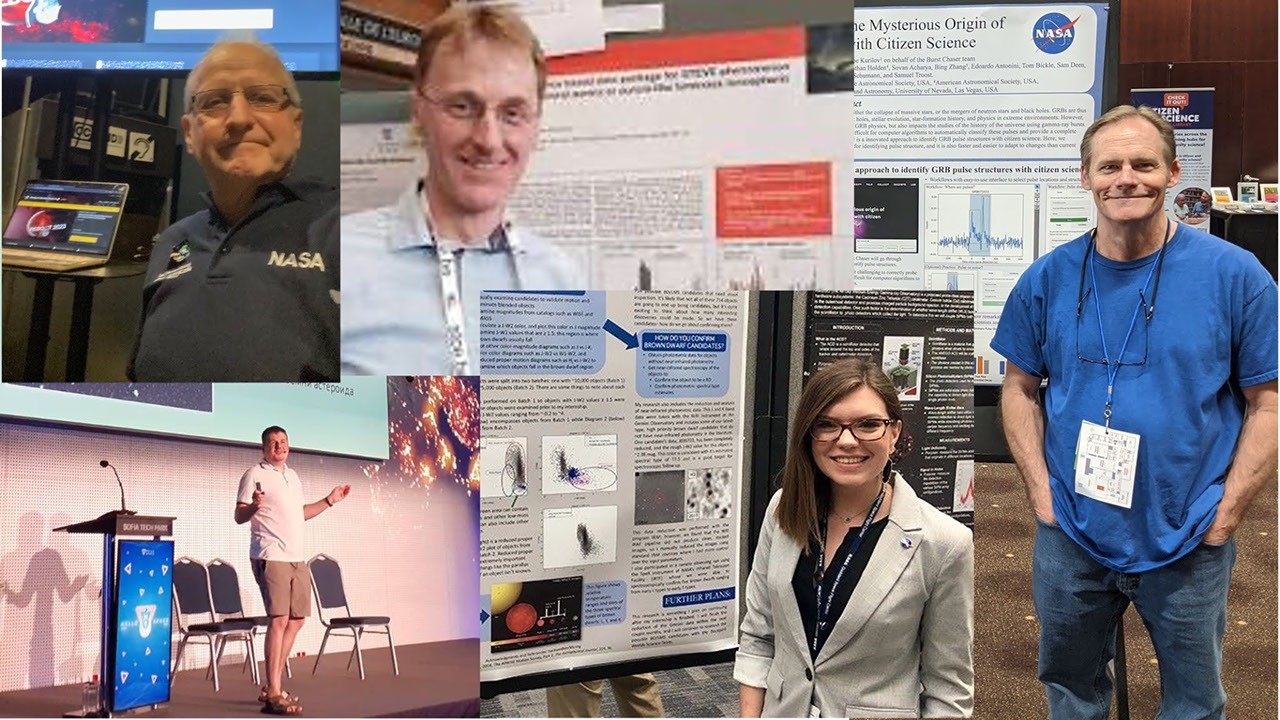
NASA says more than 650 volunteers who took part in its citizen science projects have co-authored peer-reviewed scientific papers, a milestone the agency is using to spotlight how non-professional contributors are shaping published research. The count, announced by NASA Citizen Science, covers volunteers whose work on project teams translated into authorship on papers that passed peer review and entered the scientific record.
The announcement is notable not simply because of the number, but because of what authorship represents in science. Peer-reviewed papers are the main way researchers document discoveries, present methods, and give the wider scientific community something concrete to critique and build on. NASA’s message is that citizen science is not limited to outreach or hobbyist participation. In some projects, it is directly contributing to formal research output.
What these volunteers actually contributed
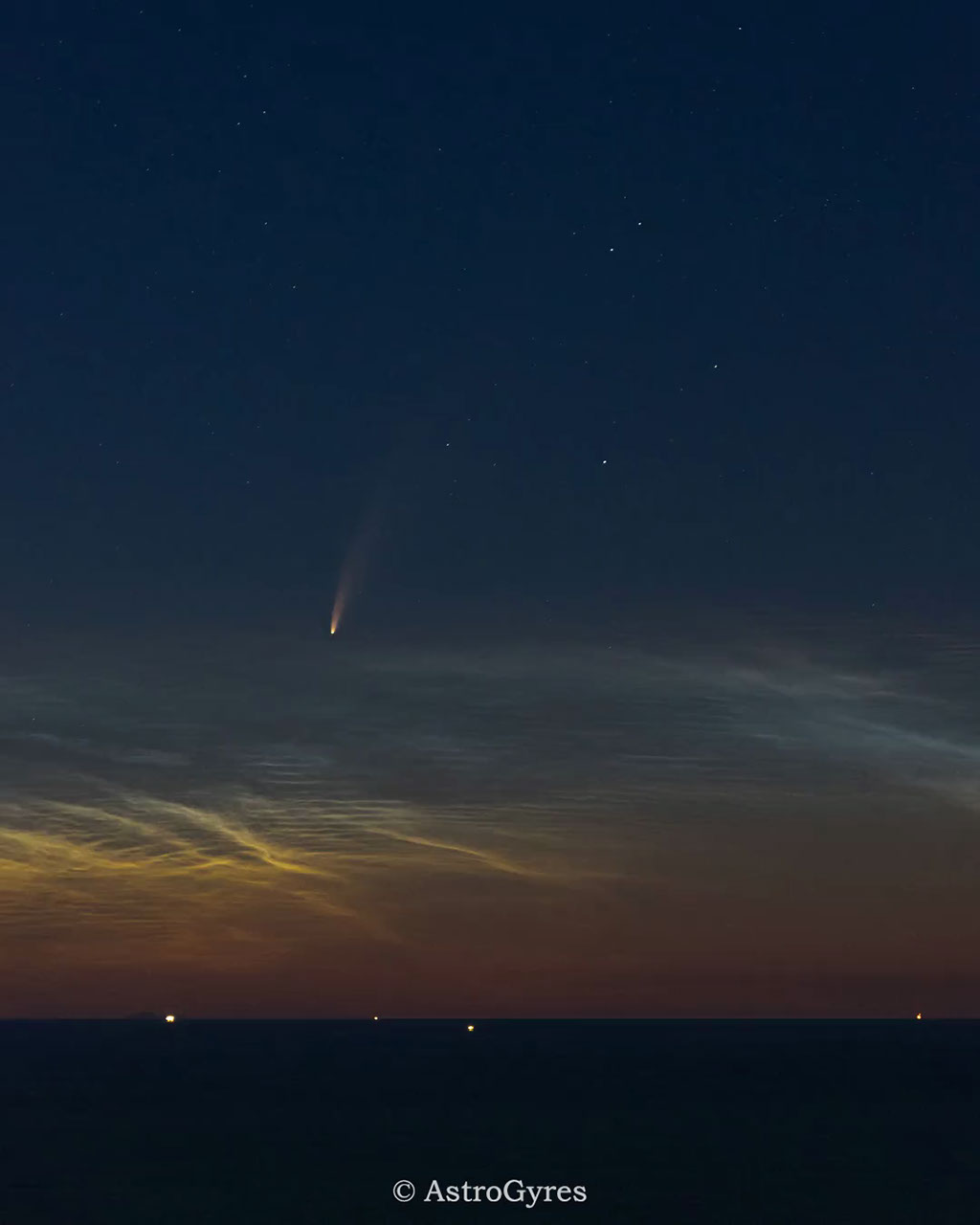
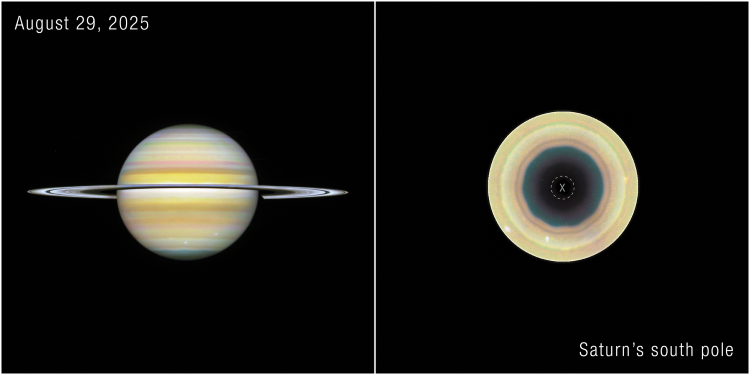
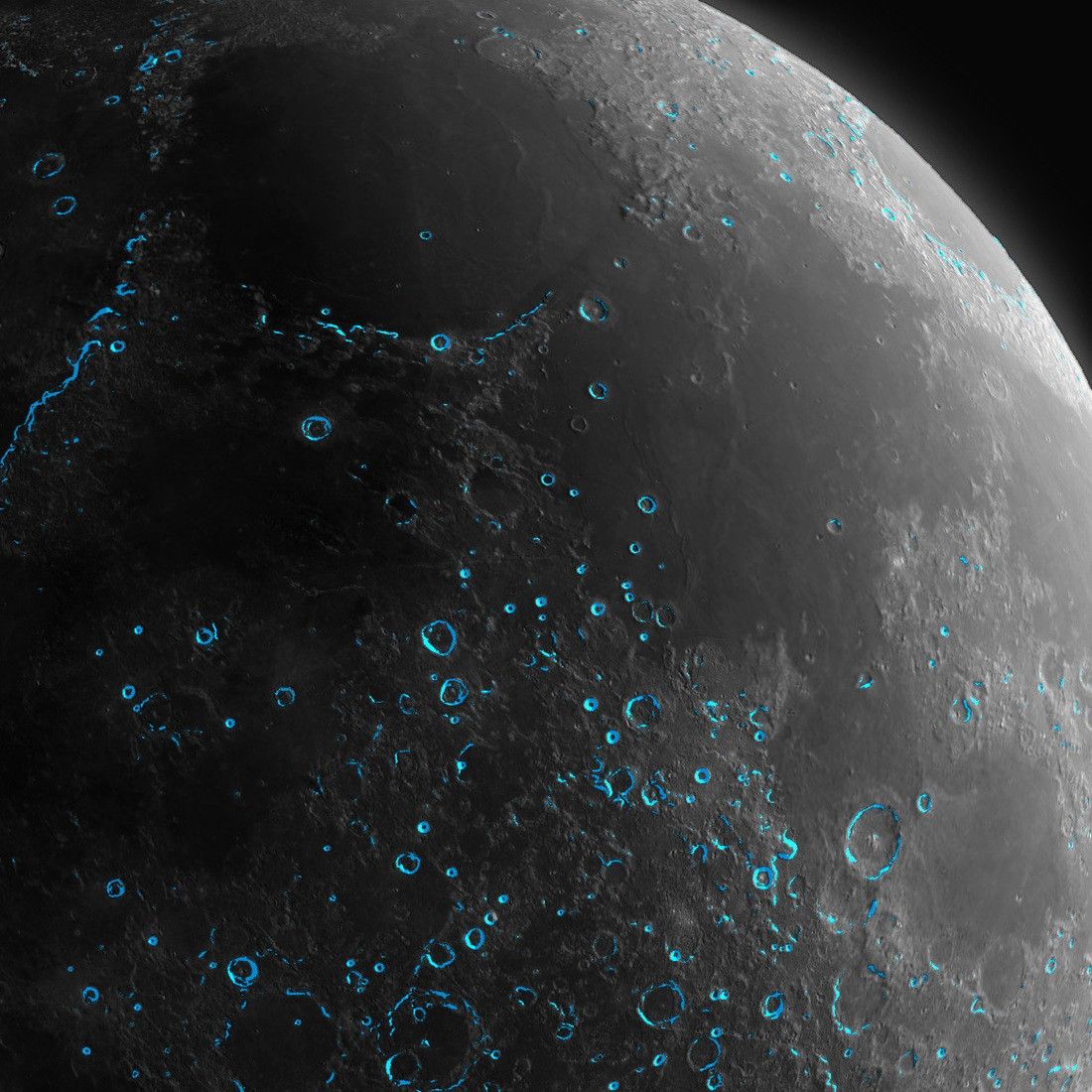
The supplied source text describes a wide range of work carried out by the volunteers. Their contributions included spotting comets, gamma-ray bursts, and brown dwarfs in data collected by space telescopes. They also observed auroras, sprites, and noctilucent clouds from Earth, used backyard telescopes to gather exoplanet data, reported mosquito breeding habitat using cell phones, and used ham radios to study Earth’s ionosphere.
That breadth matters because it shows citizen science is not confined to a single narrow domain. The projects mentioned span astronomy, atmospheric observation, planetary and exoplanet research, Earth science, and public-health-adjacent reporting. NASA’s framing suggests that when projects are structured well, volunteers can make contributions across multiple disciplines and across both data-rich and observation-based workflows.
Why peer-reviewed papers matter
NASA’s explanation in the source text is direct: when scientists believe they have made a discovery or developed a meaningful result, they write a manuscript and submit it to a scientific journal. Editors then subject that manuscript to peer review, asking other scientists to validate the methods and assess the novelty and importance of the findings. Once published, the paper becomes part of the literature other scientists can read, challenge, and extend.
That process gives the announcement more weight than a simple volunteer milestone. Co-authoring a peer-reviewed paper is a recognized scientific contribution. NASA explicitly describes published papers as the core of a scientist’s resume and notes that a first publication is widely seen as a milestone. By placing citizen scientists inside that system, the agency is emphasizing that public participation can rise to the level of durable scholarly contribution.
How NASA describes the path from volunteer to co-author
The source text makes clear that publication is not automatic. Sometimes volunteers are simply informed that their contributions ended up in a scientific paper. But NASA also says people who are determined to become published authors can improve their chances by choosing projects carefully and by taking initiative.
Its advice begins with picking a project that genuinely interests the participant. NASA quotes citizen scientist Michael Primm encouraging people to choose one or more projects that appeal to them, try them, and move on if they are not a good fit. Once a volunteer finds a project they like, NASA says the next step is to do the work frequently enough to become comfortable and confident, and to read the available materials closely.
That guidance reflects an important point: the agency is not presenting authorship as a lottery prize handed out at random. Instead, it describes a pathway in which repeated, careful participation can become scientifically meaningful. The implication is that good project design can lower barriers to entry while still preserving the standards needed for publishable work.
A broader signal about participation in science
NASA’s count of more than 650 published citizen scientists is also a statement about how scientific institutions can distribute work. Modern research often involves huge volumes of imagery, signals, environmental observations, or field reports. Citizen science can expand the number of eyes and hands available to notice patterns, classify data, or supply geographically distributed observations. The examples in NASA’s source material point to exactly that kind of distributed contribution.
There is also a cultural implication. Authorship is one of the clearest ways science signals who helped produce knowledge. By highlighting volunteers as co-authors rather than merely participants, NASA is giving public contributors formal recognition inside the same system used by professional researchers. That may strengthen trust and investment among volunteers, while also helping projects attract people who want to do more than passively consume science news.
Why this matters now
Public institutions regularly talk about democratizing science, but authorship is a more concrete measure than outreach metrics or participation counts alone. NASA’s announcement gives a numerical marker that can be tracked over time and compared against future growth in citizen science output. It also gives aspiring participants a clearer sense of what is possible.
The agency’s message is ultimately practical: if volunteers want to contribute to published science, they should select projects thoughtfully, stick with them long enough to develop skill, and take the work seriously. The examples NASA highlights show that meaningful contributions can come from a wide range of tools, from backyard telescopes and ham radios to smartphone reports and pattern recognition in telescope data.
For Developments Today, the significance is straightforward. NASA is documenting a scale of public scientific participation large enough to matter not only as education or engagement, but as part of the knowledge-production pipeline itself. More than 650 volunteers have now crossed the threshold from interested participant to published co-author. That is a concrete marker of how distributed science is changing who gets to help write the record of discovery.
This article is based on reporting by science.nasa.gov. Read the original article.
Originally published on science.nasa.gov