A core NASA flight asset is taking on a broader mission
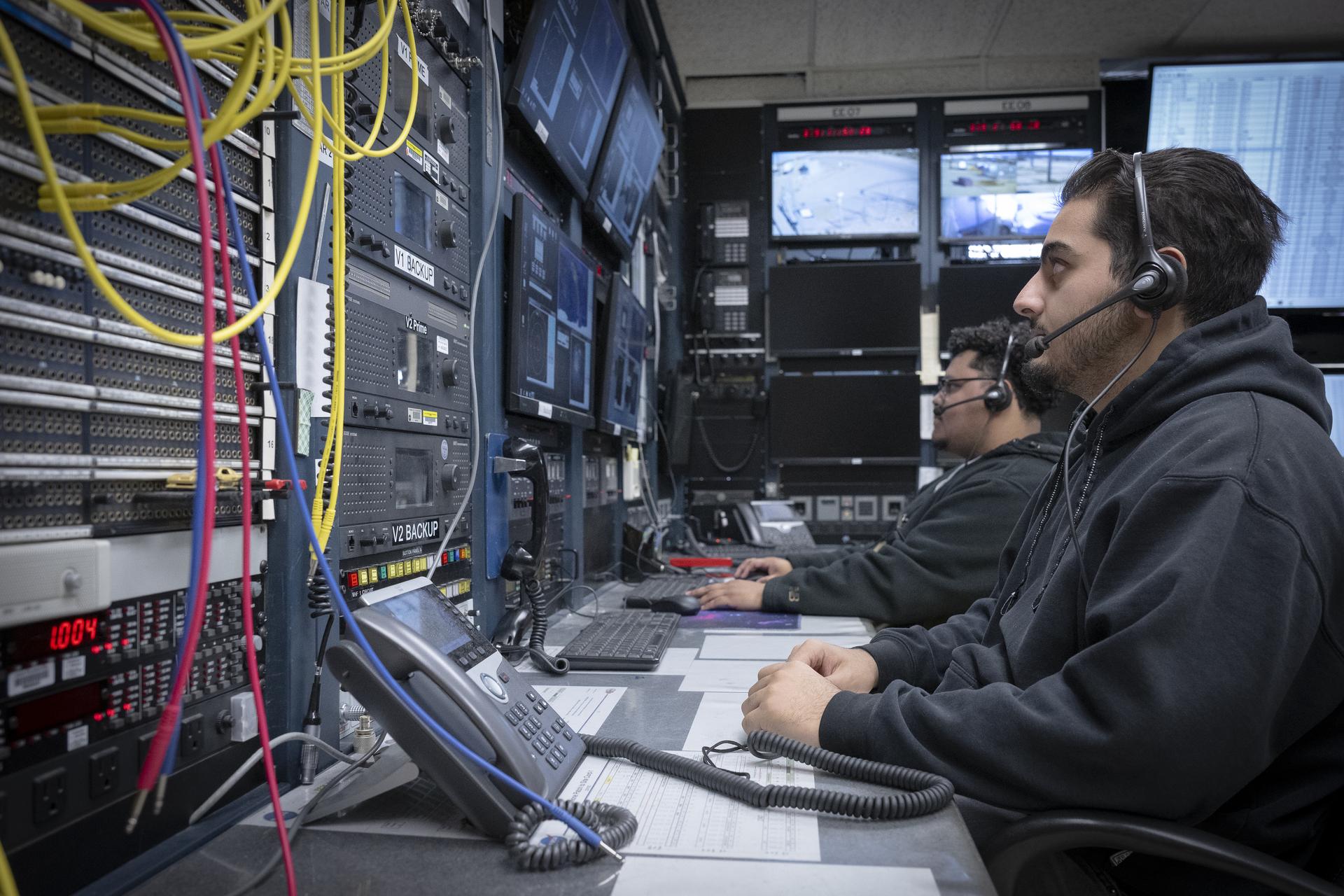
NASA’s Dryden Aeronautical Test Range at Armstrong Flight Research Center is doing more than supporting experimental aircraft. According to NASA’s latest description of the facility, the range now sits at the intersection of aeronautics testing, spaceflight communications, and mission modernization. The agency says the system provides communications, tracking, telemetry, and video services that are essential to keeping research flights safe and effective, while also contributing to International Space Station support and future mission readiness.
That makes the Dryden range a key enabling layer in NASA operations. Test aircraft and high-profile experimental programs often draw the most attention, but those missions depend on ground systems that can track vehicles, move data in real time, and maintain situational awareness for operators. NASA’s account of Dryden shows that the agency is continuing to invest in that less visible infrastructure.
Modernization aimed at future programs
The agency says modernization work that began in the early 2020s expanded the range’s capabilities and prepared it for new demands, including support for NASA’s X-59 quiet supersonic research aircraft and spaceflight communications. Ongoing upgrades include new VHF ground antennas, refreshed electronic components, and software improvements for tracking the International Space Station and visiting spacecraft. NASA also says it installed additional antennas to strengthen backup coverage.
Those are practical upgrades, but they reflect a strategic shift. NASA is preparing its test range not just for traditional research sorties, but for increasingly integrated operations where aeronautics, advanced communications, and spaceflight support intersect.
Why real-time data matters
NASA describes the range’s ability to process and display radar, telemetry, and video in real time as critical for monitoring research flights. That is especially important for experimental systems, where engineers need immediate visibility into performance, safety, and mission conditions. Delays or blind spots in that data chain can limit what a test program can safely attempt.
The agency points to work involving the Crossflow Attenuated Natural Laminar Flow wing model, or CATNLF, which is mounted under a NASA F-15B research jet. The project is designed to improve laminar airflow, reducing drag and lowering fuel costs for future commercial aircraft. Supporting a project like that requires more than an aircraft and an engineering team. It requires a range infrastructure capable of seeing, tracking, and interpreting the mission as it unfolds.
Support that extends into space operations
NASA also highlights Dryden’s role in communications backup for station missions. Range operators provide voice and tracking support to the International Space Station, showing how a facility rooted in flight testing is now embedded in broader agency operations. The same organizational capability that keeps research aircraft connected can also help sustain resilience in space mission communications.
That dual-use value matters. As agencies try to get more out of existing infrastructure, facilities that can bridge different mission domains become more important. Dryden appears to be one of those assets: a range designed for flight research that can also bolster support for orbiting missions and visiting spacecraft.
Multiple aircraft, multiple missions
NASA says the range also supports aircraft platforms used for science missions, including the ER-2 high-altitude aircraft and the C-20A aircraft. That broadens its importance beyond a single showcase project. Instead of serving one experimental campaign, the range is part of a multi-mission ecosystem that touches atmospheric science, technology testing, and space operations.
The X-59 is a particularly visible beneficiary. NASA’s quiet supersonic aircraft is central to the agency’s effort to generate data that could inform future overland supersonic flight policy. Any range prepared to support that program must handle demanding communications and tracking needs, and NASA’s update suggests Dryden is being equipped with that future in mind.
The bigger picture
Ground infrastructure rarely gets the same public attention as aircraft rollouts or mission launches, but it often determines whether programs can proceed efficiently. NASA’s description of the Dryden Aeronautical Test Range underscores that point. A modern research agenda needs a modern backbone: antennas, software, telemetry systems, radar processing, and operators who can turn raw inputs into mission awareness in real time.
Dryden’s ongoing upgrades show NASA preparing that backbone for a wider span of work. From experimental aeronautics to backup support for station operations, the range is evolving from a flight-test utility into a more flexible mission enabler. That may not be as visible as a first flight, but it is the kind of infrastructure investment that allows future flights and future missions to happen at all.
This article is based on reporting by NASA. Read the original article.
Originally published on nasa.gov