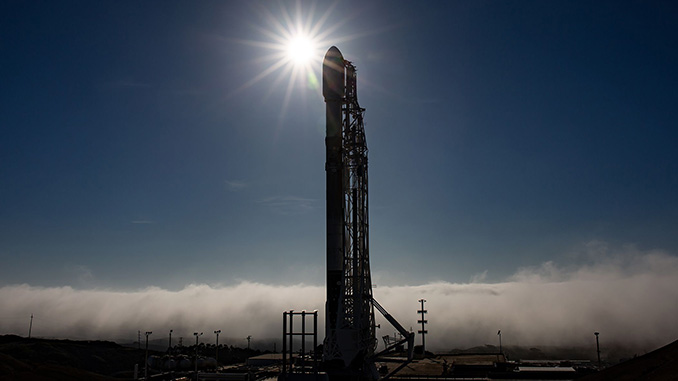
Artemis III is now being shaped as a risk-reduction mission in Earth orbit
NASA has outlined preliminary plans for Artemis III as a crewed Earth-orbit mission designed to test rendezvous and docking between the Orion spacecraft and commercial landers from Blue Origin and SpaceX. Rather than serving as the next step directly toward a crewed lunar surface attempt, the mission is now being framed as a systems test that will reduce risk before Artemis IV carries astronauts toward the Moon’s south polar region.
The shift follows a February announcement that inserted an Artemis mission ahead of future crewed landing missions. Since then, NASA says engineers have been evaluating mission-profile options and operational considerations to determine how Artemis III can best validate the increasingly complex choreography needed for later lunar operations.
Why NASA is changing the role of Artemis III
The agency’s explanation is blunt: Artemis III is meant to test how multiple vehicles, teams, and partners work together before astronauts are sent to the lunar surface. That means the mission is less about destination than integration. NASA will use it to rehearse a sequence of interactions that did not exist in earlier human spaceflight programs in this exact combination.
Jeremy Parsons, Moon to Mars acting assistant deputy administrator in NASA’s Exploration Systems Development Mission Directorate, described Artemis III as one of the most complex missions the agency has undertaken. The reason is not simply the number of astronauts aboard Orion. It is the need to coordinate a launch campaign involving multiple spacecraft while integrating capabilities from two lander providers into Artemis operations.
What the mission is supposed to test
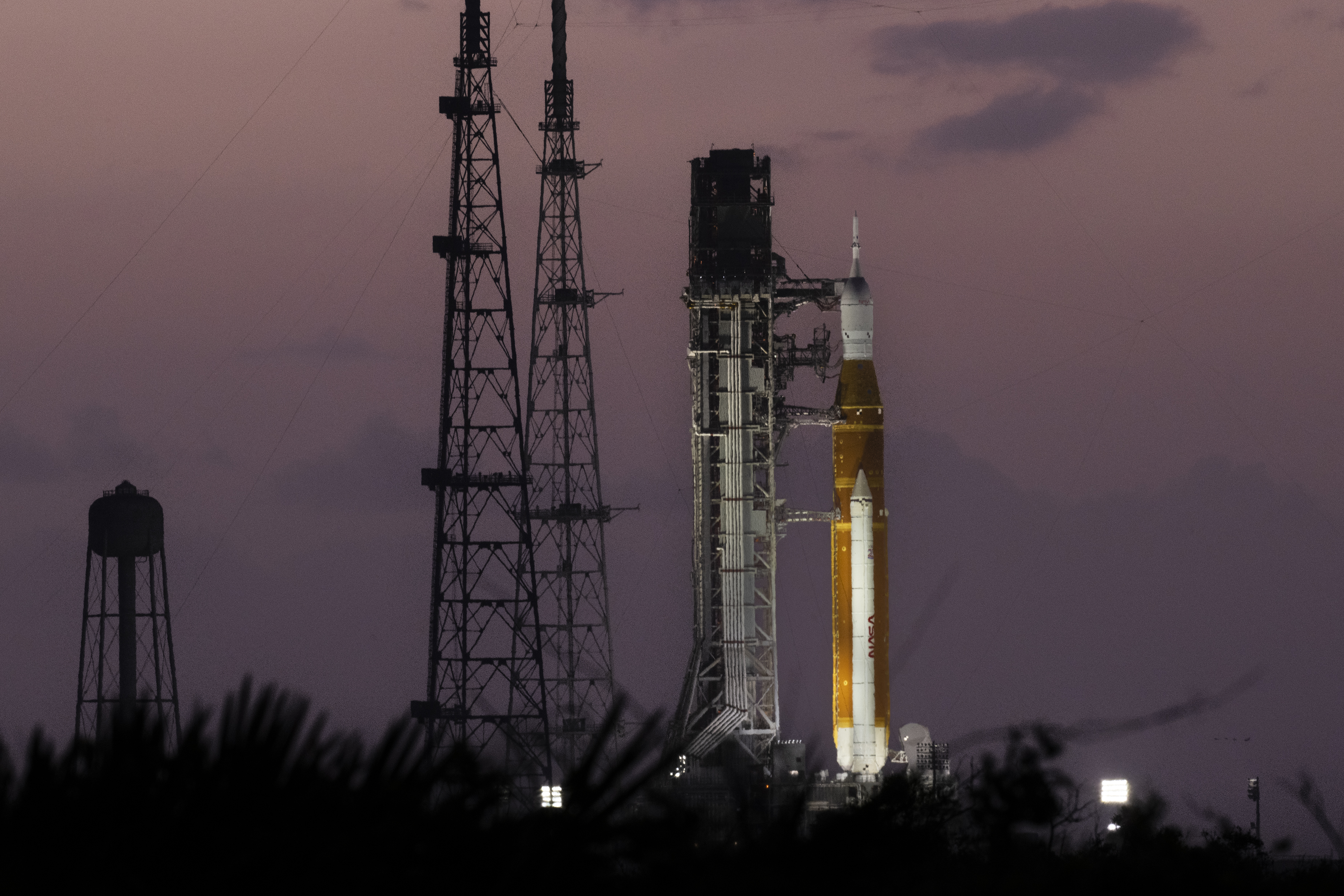
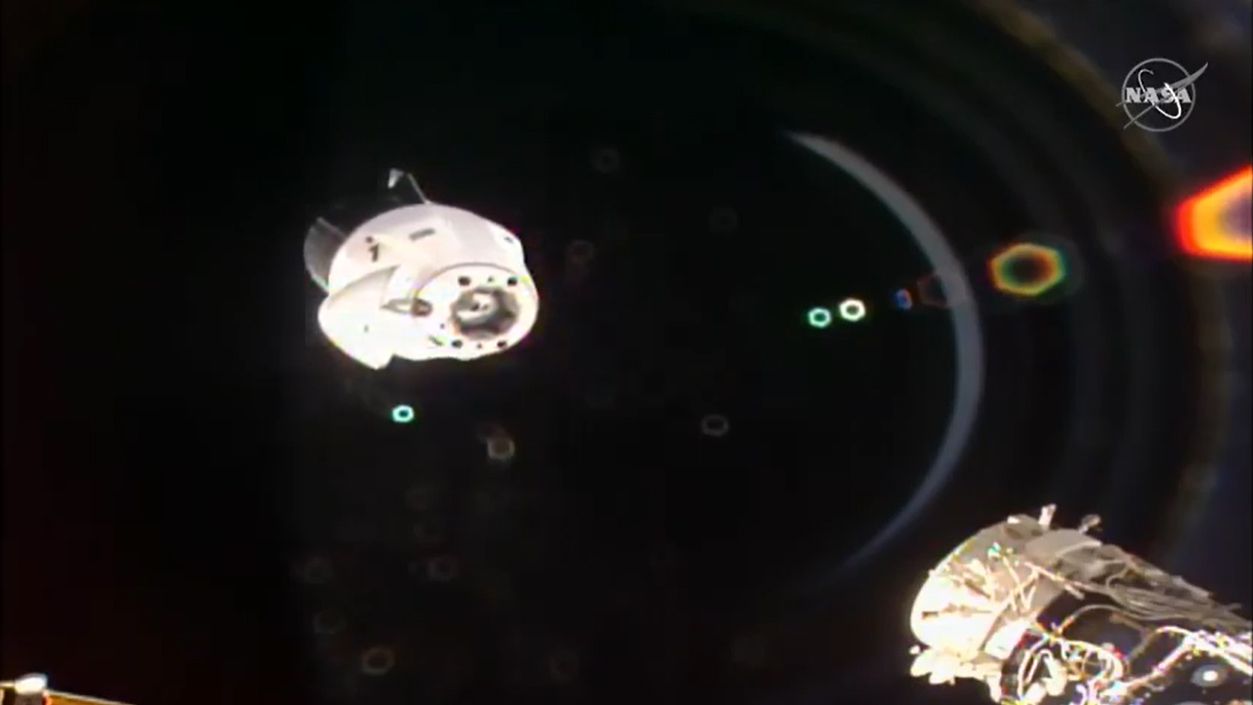
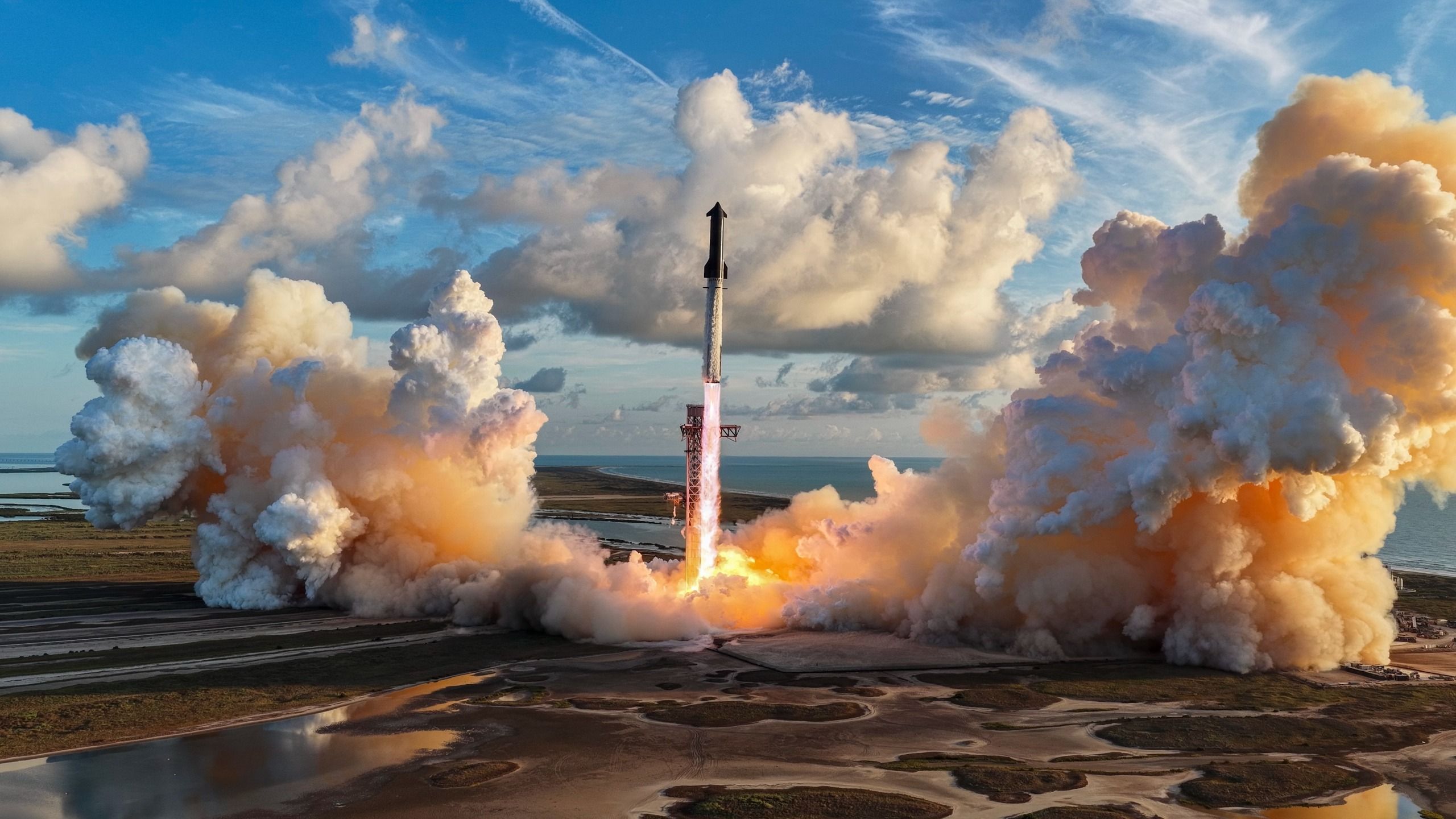
Under the preliminary plan, the Space Launch System will send Orion into Earth orbit with four crew members. Once there, the mission will focus on rendezvous and docking demonstrations involving Orion and commercial landers from Blue Origin and SpaceX. Those operations are central to NASA’s broader architecture for lunar exploration because later missions depend on hardware from multiple organizations functioning as a coherent whole.
In effect, Artemis III becomes a proving ground for interfaces, procedures, and crew operations. NASA is trying to learn how astronauts, flight controllers, and commercial systems behave together under mission conditions before it commits the same architecture to a lunar landing attempt.
A notable hardware change on the rocket
NASA also disclosed a significant configuration detail. Instead of flying the interim cryogenic propulsion stage as the rocket’s upper stage, Artemis III will use a spacer. The agency describes that spacer as a representation of the upper stage’s mass and overall dimensions, but without propulsion capability.
The spacer is meant to preserve the same overall dimensions and interface connection points between the Orion stage adapter and launch vehicle stage adapter. In other words, NASA wants the structural and integration environment to remain representative even though the mission profile no longer requires the same propulsive role. That choice underscores how strongly the mission is now oriented toward systems validation rather than deep-space destination performance.
Manufacturing is already moving forward
NASA says design and fabrication work on the spacer is advancing at Marshall Space Flight Center in Huntsville, Alabama. Material for the barrel section and for the upper and lower rings is being machined in preparation for welding. That detail matters because it shows the new mission concept is not merely conceptual. The supporting hardware path is already in motion.
The agency is therefore doing two things at once: redefining the operational purpose of Artemis III and turning that revised purpose into manufactured flight hardware. That is often where program shifts become real.
What this means for the broader Artemis campaign
The most important takeaway is that NASA appears to be buying down risk by accepting a more incremental path. Artemis III, as described here, is not a retreat from lunar ambitions so much as an attempt to make the later landing architecture more credible. By exercising Orion, the crew, ground systems, and commercial landers together in Earth orbit first, NASA hopes to expose problems earlier and in a less punishing environment.
That strategy reflects the reality of modern exploration programs, which increasingly depend on public-private integration rather than a single vertically controlled stack. If Artemis IV is expected to carry Americans back toward the Moon’s surface and support the agency’s long-term Moon Base ambitions, then the orbital rehearsal may prove to be the more consequential mission than its location initially suggests.
What to watch next
- How NASA finalizes the mission profile for rendezvous and docking demonstrations.
- Whether Blue Origin and SpaceX integration milestones stay aligned with Orion and SLS schedules.
- How lessons from Artemis III shape the final risk posture for Artemis IV lunar operations.
For now, NASA’s message is clear: the road back to the Moon runs through a highly engineered test in Earth orbit first.
This article is based on reporting by NASA. Read the original article.

Originally published on nasa.gov