Artemis III Becomes the Mission Before the Mission
NASA’s Artemis program has taken a consequential turn. Instead of serving as the first crewed lunar landing of the modern era, Artemis III is now being positioned as a crewed Earth-orbit test flight intended to validate the hardware, docking procedures, and multi-provider coordination required for a later landing attempt. The change is significant because it acknowledges a basic reality of large exploration programs: when critical elements are not ready, the safest way forward is to add a proving ground rather than force the original schedule.
According to the supplied source material, Artemis III is now targeted for late 2027, while the actual return to the lunar surface has shifted to Artemis IV in 2028. The reason is not abstract program drift. It is tied directly to delays in the development of the commercial landers NASA expects to rely on, specifically SpaceX’s Starship lunar lander and Blue Origin’s Blue Moon spacecraft. Rather than treat those delays as a narrow contractor issue, NASA appears to be restructuring the sequence of missions around them.
Why the New Plan Matters
The source frames Artemis III as a modern analogue to Apollo 9, the 1969 mission that stayed in Earth orbit but validated key systems before Apollo 11. That comparison matters because it shifts the discussion away from whether Artemis III is “less ambitious” and toward whether it is more strategically necessary. If Artemis is supposed to support a sustained return to the Moon, not just a symbolic landing, then the interfaces between Orion, launch systems, and commercial landers have to work under crewed conditions.
Artemis I, launched in November 2022, sent an uncrewed Orion around the Moon to test the rocket and capsule. Artemis II, according to the source text, flew with a crew of four and marked the first time humans had traveled beyond low Earth orbit in more than fifty years. Artemis III now becomes the bridge between those early demonstrations and an attempted surface mission. In that sense, the redesign is less a retreat than a recognition that integration has become the hardest part of the architecture.
A More Complex Test Than Apollo-Era Precedents
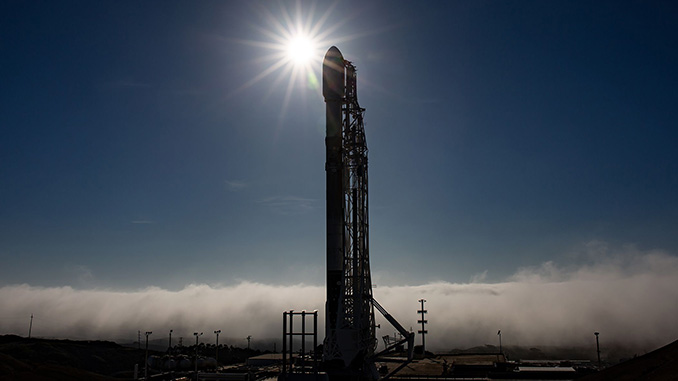
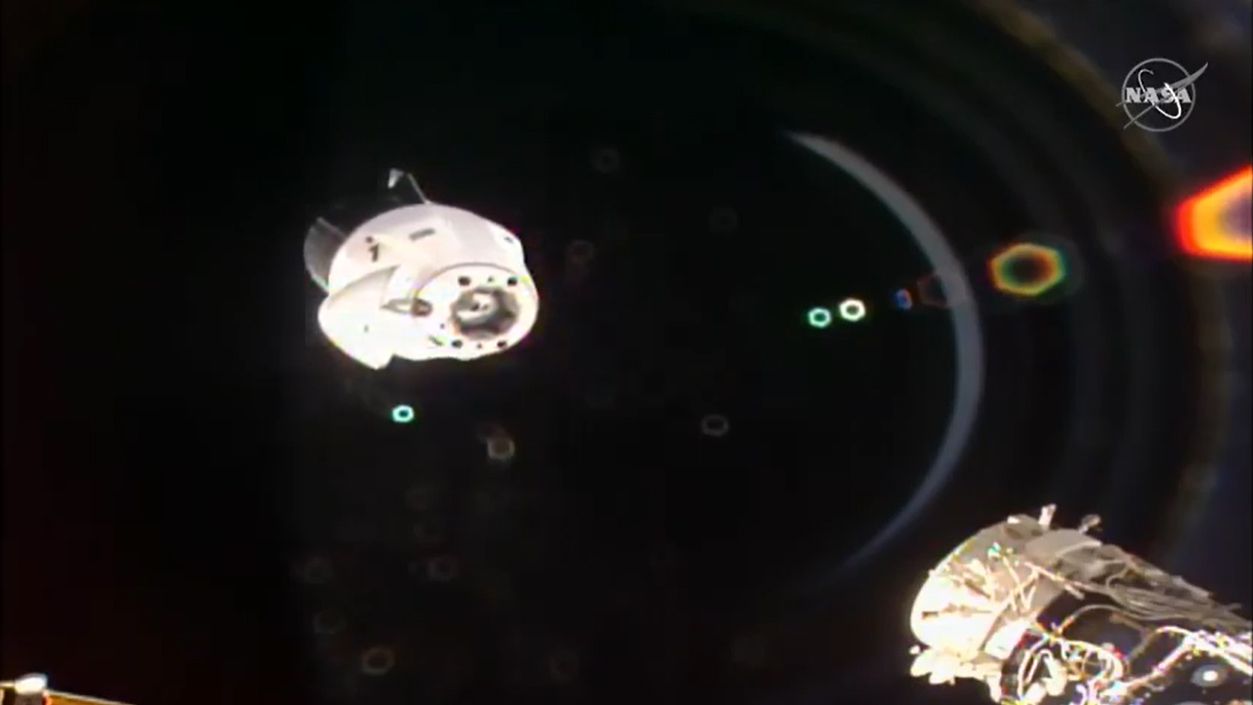
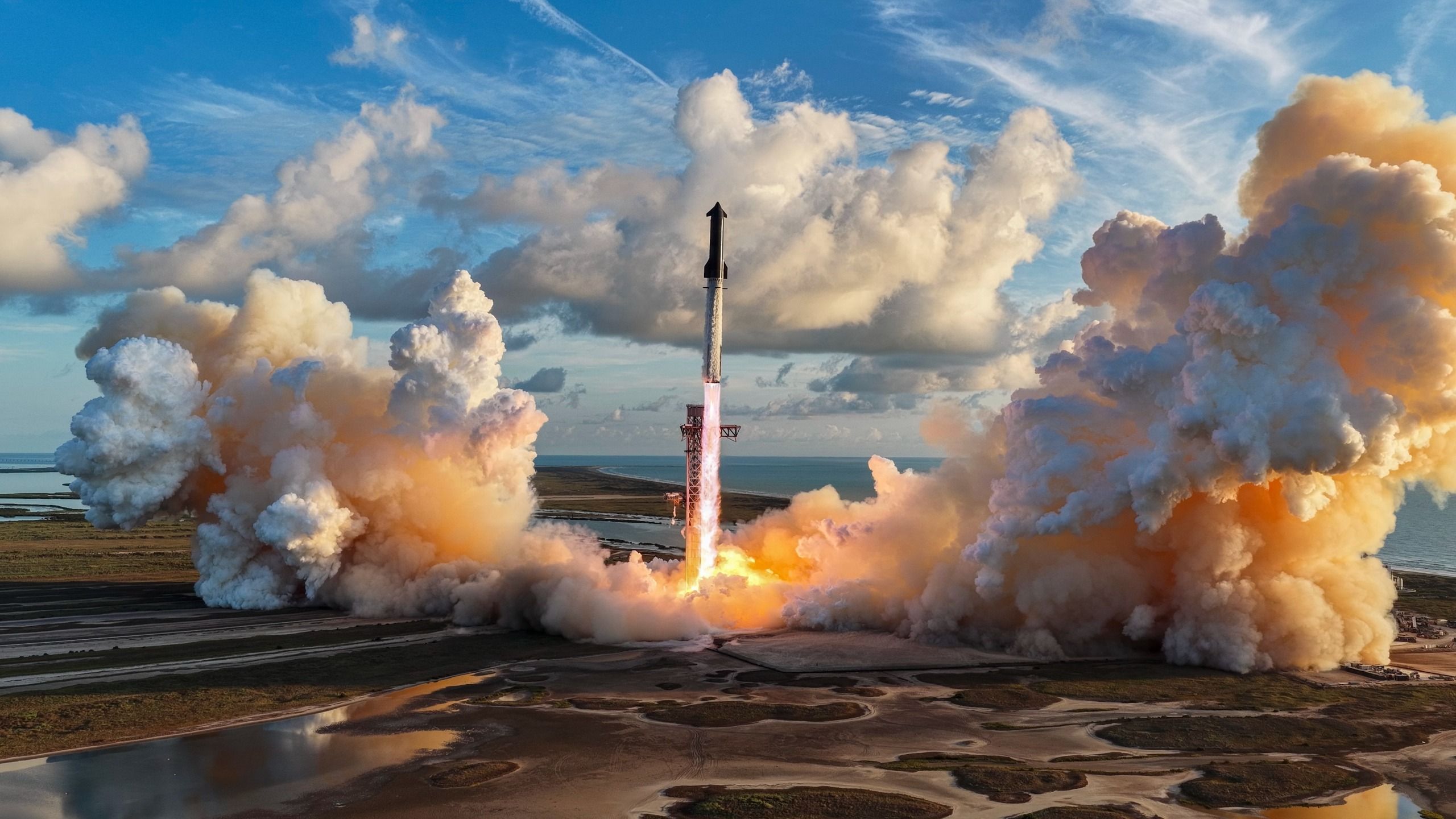
The new Artemis III profile is notable not only because it is a rehearsal, but because it is a rehearsal built around several separately developed vehicles. The supplied source says NASA plans to coordinate a single campaign involving three spacecraft from multiple providers. Under that concept, the Space Launch System would place a four-person crew in Orion into low Earth orbit. Already waiting there would be a Starship human landing system pathfinder and a Blue Moon Mark 2 pathfinder, launched separately by their commercial providers.
That setup turns Artemis III into a systems-integration exercise on a scale NASA has not previously attempted in a crewed lunar program. Orion would rendezvous and dock with the other spacecraft, and the mission would demonstrate Orion’s docking system with crew aboard for the first time. The source adds that astronauts could enter at least one of the docked landers to rehearse procedures that later crews would depend on during an actual lunar landing campaign.
This is the part of the program that may matter most. Lunar exploration is often discussed in terms of rockets and destinations, but mission success increasingly depends on choreography: who launches when, which spacecraft wait in orbit, how docking operations are sequenced, and how crews move between systems designed by different organizations. Artemis III appears to be designed to reduce uncertainty in exactly those areas.
Commercial Delays Are Now Central to NASA’s Schedule
The revised plan also underlines how deeply NASA’s lunar roadmap now depends on commercial partners. SpaceX and Blue Origin are not peripheral suppliers in this architecture. Their landers are part of the logic of the mission itself. That creates a different kind of program risk from earlier eras, when NASA controlled more of the stack directly. It also means schedule slips in one segment can force redesigns across the broader campaign.
Seen that way, Artemis III is a practical response to dependency management. NASA is not abandoning its lunar ambition. It is inserting a mission that can absorb development delays while still producing useful flight data. If successful, that should give the agency more confidence before putting astronauts on a descent profile to the lunar surface.
What Success Would Look Like
A successful Artemis III would not be judged by a flag on the Moon. It would be judged by whether the mission proves that Orion can operate with multiple commercial landers in orbit, that rendezvous and docking procedures work with crew aboard, and that the interfaces among providers are mature enough to support a later landing attempt. Those are quieter milestones than touchdown footage, but they may be more decisive.
The source presents Artemis III as the mission that has to work before humans can return to the Moon. That is a fair description. Modern lunar exploration is no longer a single-launch, single-system effort. It is an ecosystem mission, and Artemis III now appears to be the first full test of that model under crewed conditions.
Why Developments Today Chose This Story
- It reflects a meaningful policy and program shift in a flagship space effort.
- It highlights how commercial-provider delays are reshaping government exploration timelines.
- It marks a transition from simple test flights to full architecture validation.
This article is based on reporting by Universe Today. Read the original article.
Originally published on universetoday.com