An unplanned lunar collision is becoming a live science opportunity
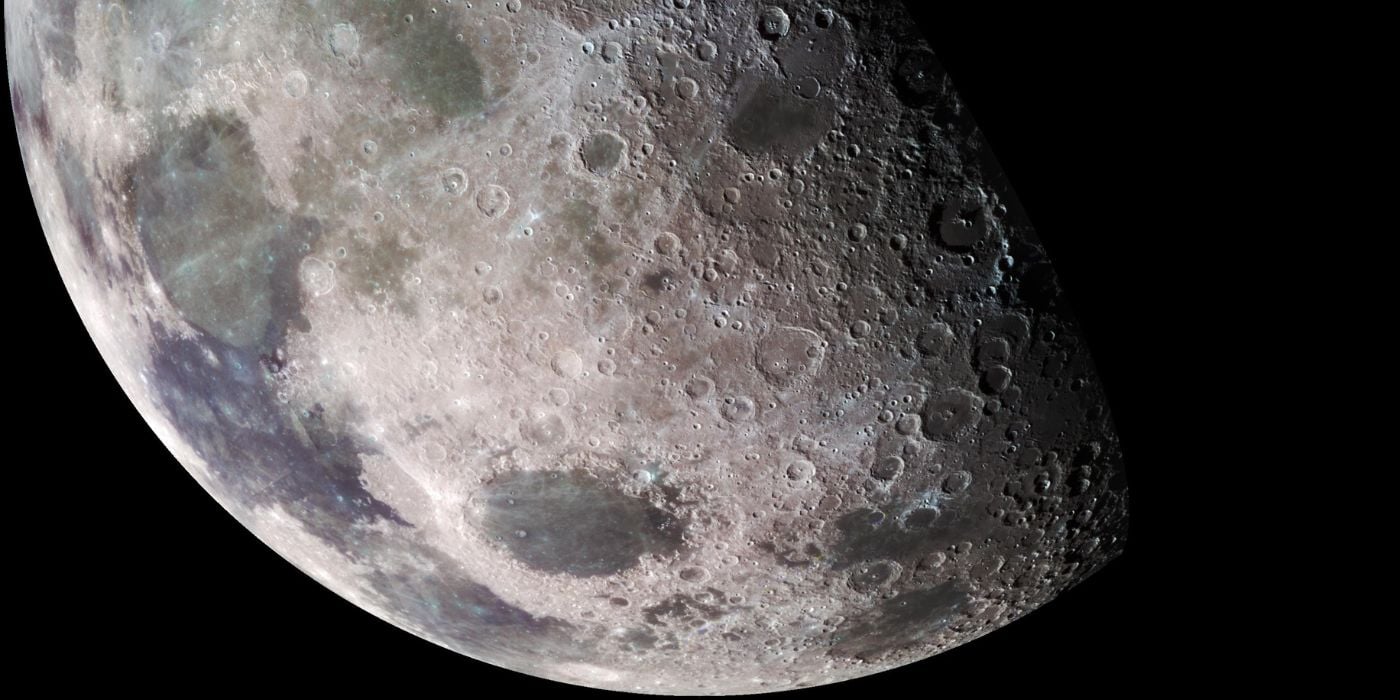
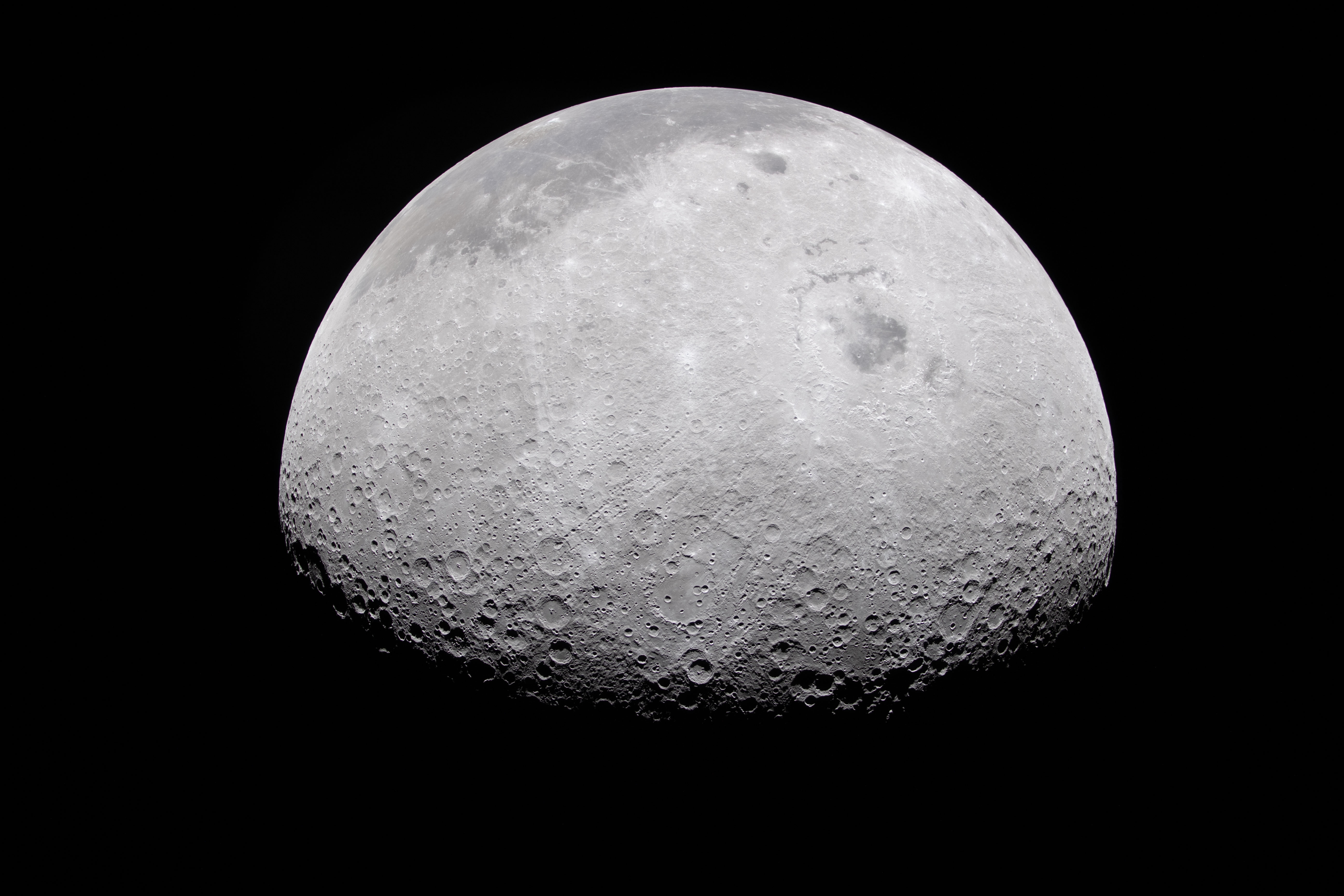
NASA says it will attempt to observe the impact of a used Falcon 9 upper stage that is expected to strike the Moon on Wednesday, August 5, near the Einstein and Bell craters. The object is a spent rocket stage from the January 15, 2025 launch that sent Firefly Aerospace’s Blue Ghost 1 lunar lander toward the Moon under NASA’s Commercial Lunar Payload Services program.
The event is not a threat to Earth, and NASA is framing it as a chance to collect data rather than as a hazard. Ground-based telescopes and spacecraft already operating around the Moon will be used to try to capture the impact itself and its aftermath, though the agency cautions that weather, lighting, orbital geometry, and spacecraft positioning could limit what can actually be seen in real time.
What makes the episode notable is that it combines a modern space-traffic problem with a rare scientific opportunity. A human-made object was not intentionally sent to the lunar surface, but once its return trajectory became clear, the event shifted from an operational curiosity into a target for coordinated observation. NASA says the data could help scientists better understand lunar ejecta behavior, improve impact modeling, and refine tracking methods for objects moving through cislunar space.
How the rocket stage ended up on a collision course
According to NASA, solar activity and gravitational forces altered the path of the upper stage after it completed its original job. The stage had successfully deployed Blue Ghost 1, but it did not remain in a stable long-term orbit. Instead, the combination of orbital dynamics gradually set it on a return path toward the Moon.
Independent astronomers first identified the stage’s trajectory using publicly available data. NASA’s Center for Near Earth Object Studies later confirmed that the object had a 100% chance of lunar impact. That sequence matters because it shows how tracking responsibility is now shared across institutional and independent communities. Publicly visible orbital data, amateur and professional skywatchers, and government analysis all played a role in establishing where the object was headed.
NASA and SpaceX remain in communication about the stage and its flight path. The agency says it will continue tracking the object as part of training operations. That detail suggests the event is serving a second purpose beyond science: it is also a practical exercise in monitoring and characterizing space objects that are no longer under active control.
What scientists expect to happen on impact
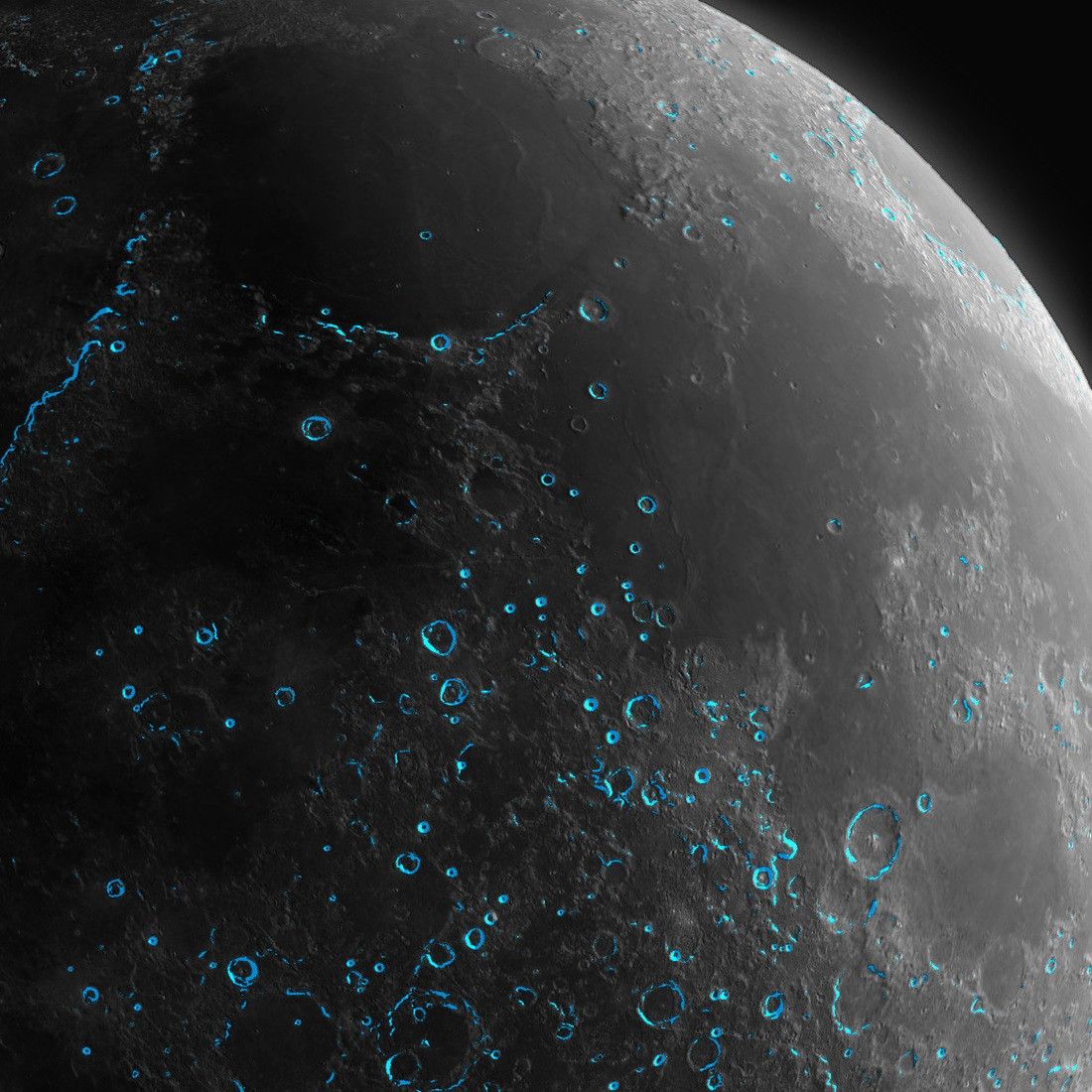
The upper stage is expected to carve out a crater roughly 60 feet wide and 12 feet deep. It should also throw dust and rock away from the impact point in an expanding ejecta plume. That plume is one of the main reasons the event is scientifically useful. Watching how material is lofted and dispersed can reveal information about the mechanical properties of the lunar surface and help calibrate models used to interpret other impacts.
NASA places the event in a broader lunar context by noting that the Moon is struck by meteoroids every day because it lacks an atmosphere. In that sense, the Moon is constantly being reshaped by impacts. The agency says a meteoroid carrying roughly the same energy as this rocket stage hits the Moon about once every six days, which means the raw impact energy itself is not extraordinary by lunar standards.
What is less common is the ability to anticipate the timing and location closely enough to organize observations ahead of time. Natural meteoroid impacts are usually not scheduled events. Here, researchers can point instruments at a predicted site and prepare to compare before-and-after imagery. That is a meaningful operational advantage, even if the physical process resembles impacts that happen naturally on the Moon all the time.
The observing campaign will extend beyond the impact flash
NASA says the impact will not be visible to the naked eye from Earth, but its Meteoroid Environments Office plans to use ground-based telescopes in an attempt to image the collision. Real-time viewing is not guaranteed. The angle of sunlight on the lunar surface, local weather conditions on Earth, and the technical limits of telescope timing all affect whether the brief event can be captured.
Follow-up observations may prove more important than the initial flash. NASA says its Lunar Reconnaissance Orbiter and the ShadowCam instrument aboard South Korea’s Korea Pathfinder Lunar Orbiter will look for opportunities to image the site before and after impact. That imagery may take several days to arrive, depending on lighting conditions and spacecraft position.
If successful, those observations could produce a more complete record than a single image of the strike itself. Scientists would be able to compare the fresh crater with the surrounding terrain, estimate the distribution of ejecta, and test how accurately pre-impact models predicted the visible aftermath. In lunar science, these controlled comparisons are especially valuable because the Moon preserves impact features so well.
Why the event matters beyond one spent rocket stage
The immediate story is straightforward: a used rocket part is about to hit the Moon. The larger significance is that cislunar space is getting busier, and each unplanned object trajectory is a reminder that tracking, accountability, and post-mission disposal strategies are becoming more important. NASA’s response reflects that reality. Rather than treating the stage solely as debris, the agency is using the moment to improve observation techniques and gather information useful for future exploration.
The event also highlights a growing scientific advantage of sustained lunar operations. With orbiters already circling the Moon and ground teams ready to coordinate telescopic observations, NASA and partner organizations can turn unexpected events into experiments. That kind of responsiveness will matter more as commercial lunar traffic increases and as more spacecraft, landers, and support hardware move through the Earth-Moon system.
For now, the most immediate outcome is likely to be a new crater and, with luck, a set of images and measurements that sharpen scientists’ understanding of impact physics. NASA says any data collected will help refine models that guide exploration and science missions. That makes this less a spectacle than a rehearsal for the next phase of lunar activity, where even anomalies may become useful sources of data.
This article is based on reporting by NASA. Read the original article.
Originally published on nasa.gov