NASA Opens Its Lunar Celebration to Press and Public
NASA is inviting journalists to turn their lenses skyward and toward Huntsville, Alabama, for this year's International Observe the Moon Night. The agency will host a free public celebration from 5:30 to 8 p.m. CST on Saturday, Sept. 19, at the U.S. Space & Rocket Center, which serves as the official visitor center for NASA's Marshall Space Flight Center.
The Marshall newsroom issued a media advisory on Sept. 15, designated M26-002, outlining what reporters can expect. Public affairs officer Joel Wallace confirmed that agency experts will be on site to deliver talks on lunar science and exploration, and to highlight lunar observations gathered by the Artemis II crew in April. The advisory signals that NASA views the evening as more than a stargazing social — it is a chance to explain, in plain language, why the Moon remains central to the agency's science and exploration ambitions.
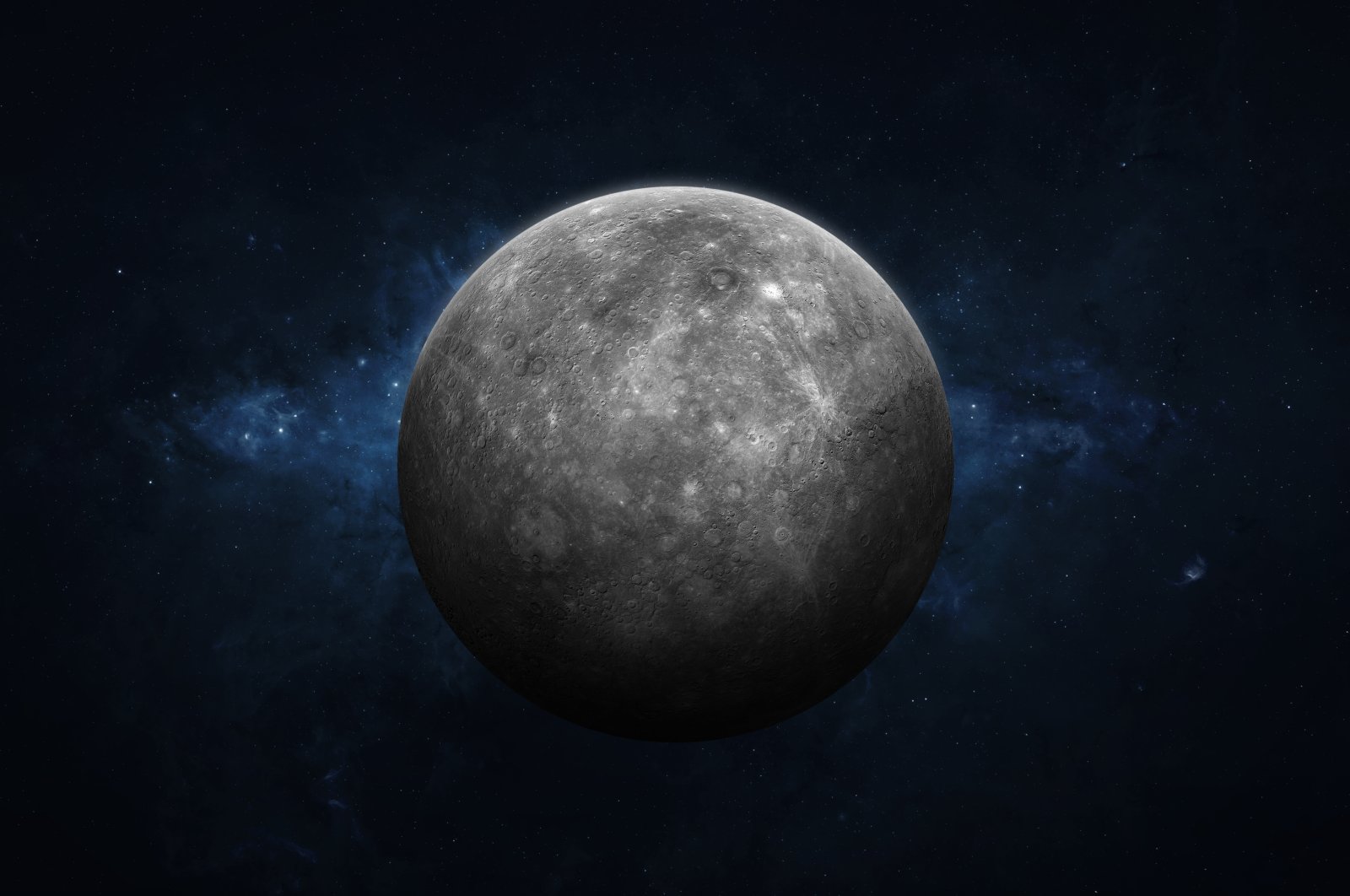
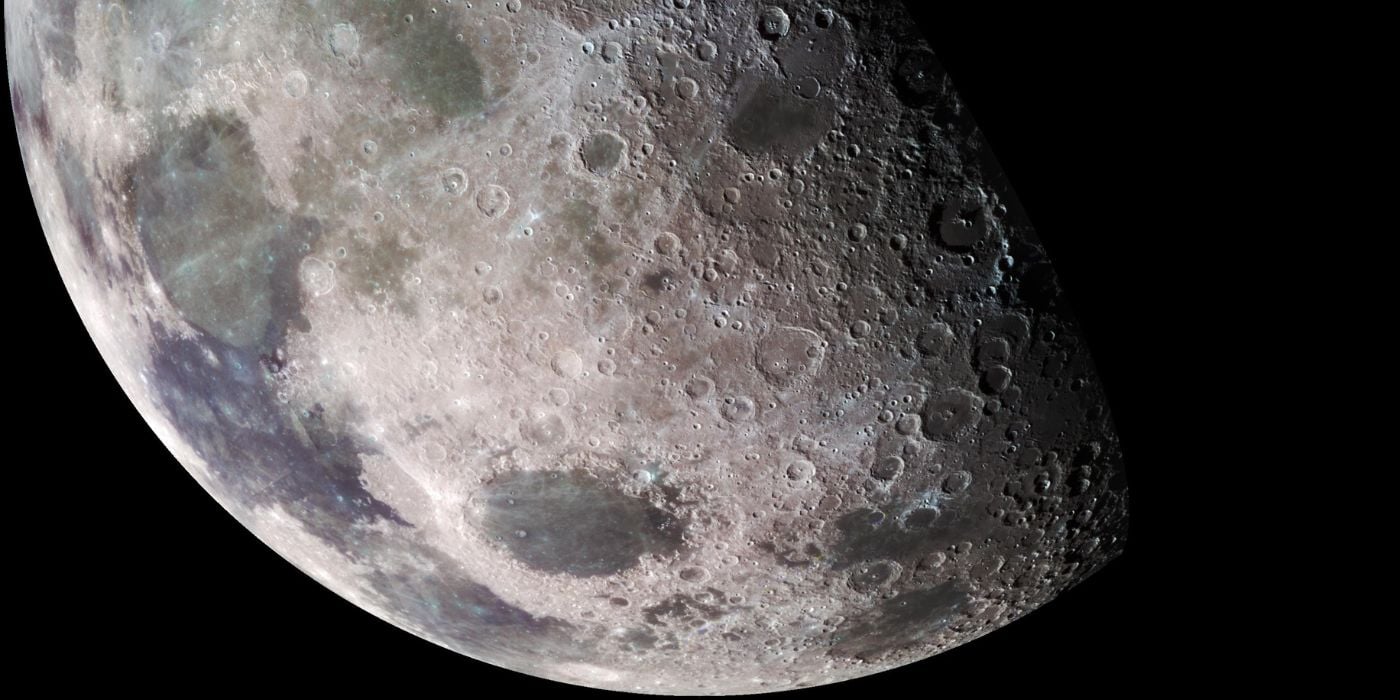
NASA describes International Observe the Moon Night as a celebration of the Moon itself, the science behind it, and the deep connection it holds to both space exploration and human culture. That framing places the event at the intersection of planetary research and the ways the Moon has shaped storytelling, calendars, and exploration dreams across civilizations.
The Evening at a Glance
The gathering is deliberately built for a broad audience, combining expert programming with hands-on activities designed to hold the attention of children and adults alike. According to the advisory, the core details are straightforward:
- Date and time: Saturday, Sept. 19, from 5:30 to 8 p.m. CST.
- Location: U.S. Space & Rocket Center in Huntsville, Alabama, the official visitor center for NASA's Marshall Space Flight Center.
- Admission: Free and open to the public.
- Presented by: the Planetary Missions Program Office at NASA Marshall.
- Media check-in: Reporters must report to the Davidson Center to take part in the event.
Visitor parking is available at the U.S. Space & Rocket Center, which should simplify logistics for both families and news crews arriving for the three-hour window.
Lunar Science Takes the Stage
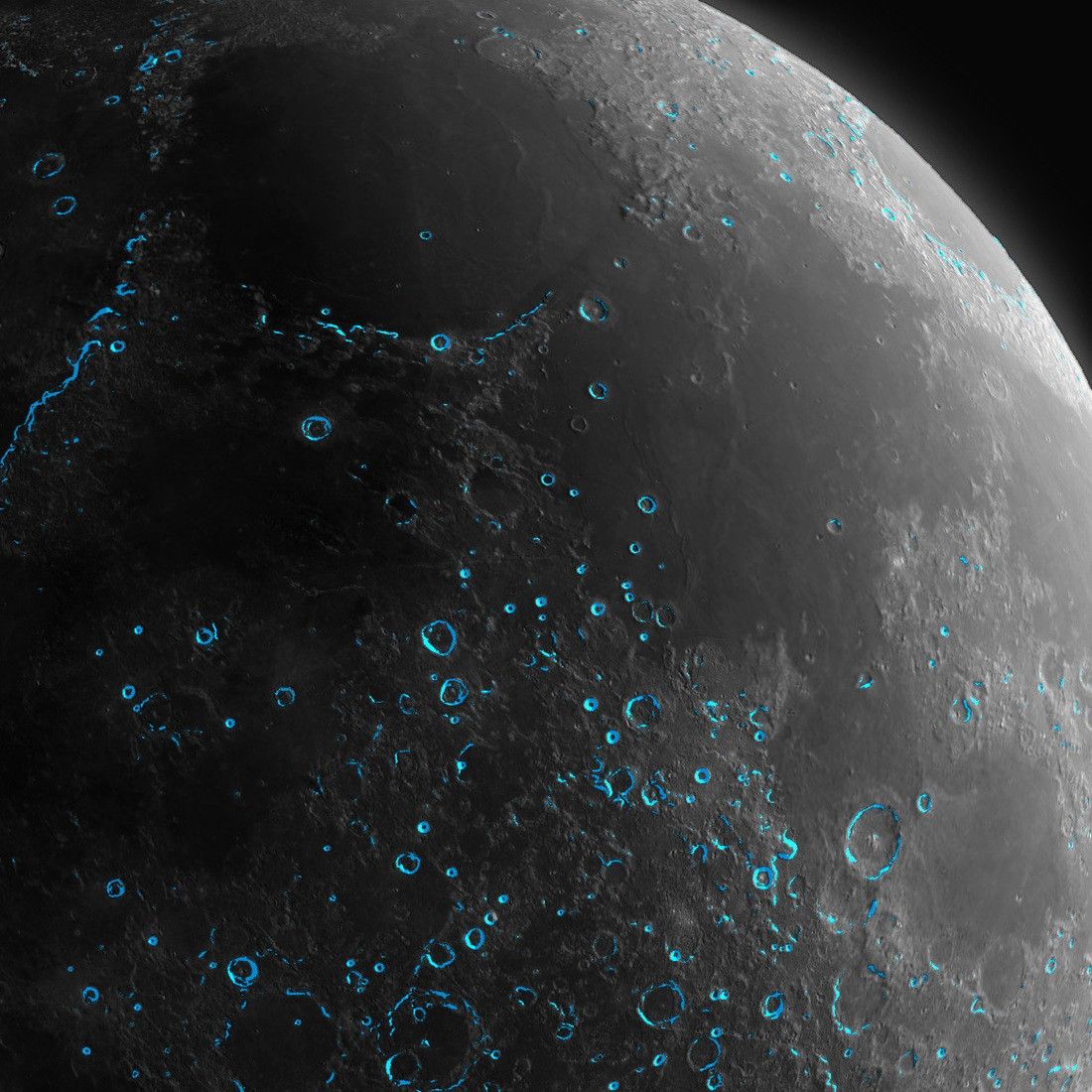
The centerpiece of the program is a series of expert talks. NASA specialists will walk attendees through current lunar science and the agency's exploration plans, connecting the dots between robotic missions, human spaceflight, and the geological questions scientists are still working to answer about Earth's nearest neighbor.
A highlighted portion of the program focuses on lunar observations made by the Artemis II crew in April. Bringing those observations into a public event gives attendees a direct link between the work of astronauts in orbit and the view of the Moon they can see from their own backyard. It also underscores how crewed missions contribute to lunar research alongside instrumented spacecraft.
NASA has also arranged opportunities for media to capture visuals and interview agency experts during the evening, making the event a rare chance for reporters to pair on-camera interviews with live telescope footage of the Moon.
Telescopes, Planets, and Guided Sky Tours
No Moon Night would be complete without actual Moon viewing. The Von Braun Astronomical Society will be on site with telescopes, offering attendees guided tours of the Moon, the planets, and other celestial objects visible that evening. For many visitors, the queue for an eyepiece is the moment the science becomes tangible — craters, maria, and terminator shadows rendered in real time rather than in a photograph.
Having amateur astronomers alongside NASA professionals reflects the collaborative spirit of the observance, which blends institutional research with community-level sky watching.
STEM Activities and Family Entertainment
Beyond the lectures and telescopes, the evening is stocked with programming aimed at younger attendees and families. Activities available for coverage include hands-on STEM activities, a science stage show, an event photo booth, and face-painting.
The lineup also features Janet Ivey, host of the children's television series "Janet's Planet." Her presence points to a programming strategy that treats science communication as entertainment-adjacent — using stagecraft and familiar on-screen personalities to draw in an audience that might not otherwise sit through a talk on lunar geology.
Why the Moon Still Matters
The Moon occupies an unusual position in science outreach: it is close enough to be studied by backyard telescopes, yet still the subject of open questions about its formation, surface processes, and resources. NASA's advisory notes that the observance celebrates both the science of the Moon and its role in human culture — a dual emphasis that helps explain why a single evening can accommodate crater science, planetary tours, and face-painting without the program feeling disjointed.
The involvement of the Planetary Missions Program Office at Marshall also ties the celebration to a broader portfolio of solar system exploration, positioning lunar research as one chapter in a much longer story of planetary discovery.
How Media Can Take Part
Reporters planning to cover the event must confirm their attendance with Joel Wallace in the NASA Marshall newsroom by 3 p.m. Friday, Sept. 18. The advisory lists [email protected] as the confirmation contact. On the night of the event, credentialed media must report to the Davidson Center to participate.
The newsroom can also be reached by phone at 256-786-0117 for questions about coverage logistics. NASA has indicated that interview opportunities with agency experts will be available, alongside visual capture opportunities spanning the stage show, telescope viewing, and hands-on activity stations.
A Local Event With a Global Name
International Observe the Moon Night carries an international label, and NASA's Huntsville gathering is one expression of that broader observance. The agency maintains a dedicated information page for the program at science.nasa.gov, where visitors can learn more about the initiative.
For Huntsville, the event is also a homecoming of sorts: it takes place at the visitor center tied to Marshall Space Flight Center, the NASA field center that released the advisory. For attendees, the practical takeaway is simple — a free, three-hour window to hear from lunar experts, look through a telescope, and leave with a slightly sharper sense of what humanity is still learning about the world hanging overhead.
This article is based on reporting by NASA. Read the original article.
Originally published on nasa.gov