Space station research is being used to investigate a serious Earthbound medical problem
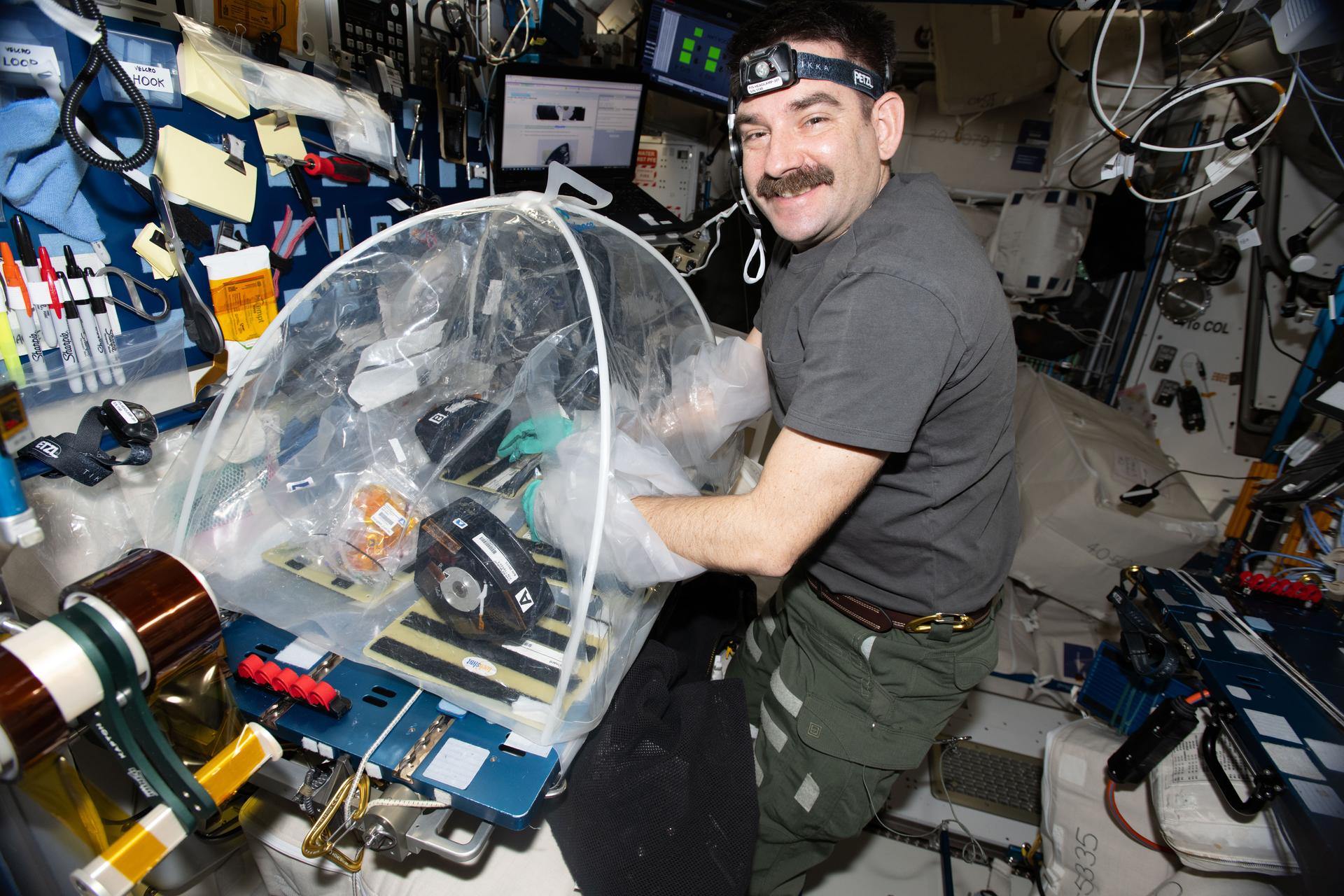
Aboard the International Space Station, Expedition 74 astronauts are working on an experiment designed to uncover how the bacteria that cause pneumonia can lead to long-term damage in the heart. The project uses the unusual biology of spaceflight to exaggerate infection effects and reveal cellular responses that may be difficult to isolate on Earth. It is a striking example of how orbital research can be used not only to understand life in space, but also to answer medical questions with direct relevance to patients on the ground.
The organism at the center of the work is Streptococcus pneumoniae, described in the supplied NASA source as the leading cause of community-acquired pneumonia. That disease already carries a heavy toll, causing millions of deaths each year. NASA’s summary adds an especially important clinical detail: more than a quarter of adults hospitalized for community-acquired pneumonia develop heart disease, and people who survive severe cases can remain at increased cardiovascular risk even after the infection itself has been eradicated.
That combination makes the research medically consequential. It is not just about why pneumonia is dangerous in the acute phase. It is about why it may leave a lasting cardiac imprint.
Why do the work in orbit?
The scientific rationale depends on a peculiarity of the space environment. In space, bacteria tend to become more severe and show enhanced drug resistance. Researchers are taking advantage of those traits rather than avoiding them. By amplifying the effect of infection on heart cells, they hope to create a clearer separation between infected and control samples and therefore make subtle disease mechanisms easier to detect.
Dr. Palaniappan Sethu of the University of Alabama at Birmingham, quoted in the supplied source, said the team expects this exacerbation to make it easier to identify subtle factors that promote bacterial virulence. In other words, orbital conditions may function like a biological stress test. Instead of waiting for faint signals to emerge in a noisier Earthbound model, scientists can use space to intensify the interaction and expose pathways that deserve attention.
That is a clever use of the station’s research environment. Microgravity and associated spaceflight factors do not simply distort biology in unhelpful ways. In some cases, they magnify it, creating an accelerated window into disease behavior.

Heart tissue models in search of hidden damage pathways
The experiment uses stem-cell-derived heart tissue models, allowing researchers to observe how heart-like tissues respond when confronted with bacterial infection. This matters because one of the hardest parts of studying long-term complications is identifying what exactly changes in cells and tissues during the infection that later translates into chronic risk.
If bacterial exposure triggers damaging responses in heart tissue, the challenge is to identify which factors are causal, which are merely correlated, and which might be targeted therapeutically. NASA’s summary suggests that by pinpointing the factors that make infections more severe in space, scientists may also reveal treatment targets that could apply on Earth.
That approach gives the project two layers of value. First, it may illuminate the specific mechanisms through which pneumonia contributes to cardiovascular damage. Second, it may help researchers identify new strategies for managing both infectious disease and cardiovascular health more effectively.
Why the pneumonia-heart link deserves more attention
People often think of pneumonia as a lung disease and of heart disease as a separate category. The source material argues for a more integrated view. If a common bacterial infection can set in motion lasting cardiac risk, then the consequences of severe pneumonia extend far beyond the respiratory system.
This is particularly important because the cardiovascular complications described in the source do not appear limited to the period when the infection is active. Patients who survive severe community-acquired pneumonia may remain at elevated risk even after the pathogen has been cleared. That raises basic scientific and clinical questions: what lingers, what changes permanently, and which interventions might interrupt that progression?
Space-based exaggeration of infection could help clarify those questions. The more sharply researchers can observe the divergence between infected and healthy heart tissues, the better their chance of identifying the cellular responses that matter most.
The spaceflight relevance is not secondary
NASA also frames the work as part of a larger effort to protect human health during long-duration missions. Deep-space travel will require a better understanding of how both the human body and microbes respond to space conditions. If bacteria become more virulent and harder to treat in orbit, then infections that might be manageable on Earth could become more dangerous during extended missions.
Dr. Carlos J. Orihuela of the University of Alabama at Birmingham said addressing these questions is essential for sustainable habitation beyond Earth. That statement highlights the dual mission of the experiment. The station is being used both as a laboratory for terrestrial medicine and as a proving ground for future human exploration.
Those goals reinforce each other. Studying disease progression under space-specific stress can reveal mechanisms that matter to astronauts and civilians alike. In that sense, the experiment is not a niche exercise in exotic biology. It is a translational project that treats orbital research conditions as an investigative advantage.
A mature research platform tackling complex human health questions
NASA notes that the space station has been used for more than 25 years to study how the human body and microbes respond to space. This project fits squarely within that tradition, but it also reflects how space biomedical research has evolved. Rather than asking only how microgravity affects healthy physiology, researchers are increasingly using the station to probe disease pathways that are difficult to isolate on Earth.
That evolution matters because it broadens the practical case for orbital science. If the ISS can help identify new treatment targets for infection-driven heart damage, then it is contributing not just to astronaut safety or basic science, but to clinical understanding with broad public-health significance.
The experiment is still part of an ongoing research process, and the supplied source does not claim a therapeutic breakthrough. What it does suggest is that the station offers a uniquely revealing environment for watching how pathogenic bacteria interact with heart tissue. That alone is valuable in a field where subtle cellular responses can determine long-term outcomes.

From orbit to the clinic
The clearest reason to watch this work is that it connects a common illness to a major chronic health burden. Pneumonia is widespread. Cardiovascular disease is widespread. If one meaningfully increases the risk of the other, then understanding that bridge becomes a medical priority.
By using space to intensify bacterial behavior and expose hidden tissue responses, the ISS team is trying to make that bridge visible. The resulting insights could inform how researchers think about virulence, recovery, and the lingering aftereffects of severe infection. They could also help define what protection looks like in deep space, where medical support is limited and microbial behavior may be harsher.
That is the real significance of the project. It is using one of humanity’s most unusual laboratories to investigate a disease relationship that affects millions on Earth. The better scientists understand why pneumonia can leave lasting damage in the heart, the better chance they have to reduce that harm in hospitals, clinics, and future spacecraft alike.
This article is based on reporting by NASA. Read the original article.
Originally published on nasa.gov