Usability वर केंद्रित redesign
Volkswagen ची नवीन ID Tiguan ही केवळ नाव किंवा exterior styling मधील बदल नाही. या electric SUV ला ID 4 चे substantial rework म्हणून मांडले जात आहे; cabin मध्ये आधीच्या model शी संबंधित अनेक interface choices उलटवण्यात आल्या आहेत.
European-market ID Tiguan आधी सादर करण्यात आली आहे, तर तिच्याशी closely related version 2027 मध्ये United States मध्ये पोहोचण्याची अपेक्षा आहे. Initial details नुसार Volkswagen नवीन exterior design language अधिक conventional interior controls सोबत जोडत आहे.
हा बदल महत्त्वाचा आहे, कारण touch-heavy cabins auto industry मध्ये, विशेषतः electric vehicles मध्ये, सामान्य झाले आहेत. ID Tiguan मध्ये Volkswagen physical buttons असलेले steering wheel, physical climate-control toggles ची row, center-console volume knob, regular air vents आणि doors वरील physical mirror controls परत आणत आहे.
यात चार individual window switches आणि conventional exterior door handles देखील आहेत. यापैकी कोणतीही exotic technology नाही; परंतु screen मध्ये न जाता locate आणि operate करता येतील अशा controls बाबत customer expectations ला त्यांची परतफेड हा व्यावहारिक प्रतिसाद आहे.
Cabin मध्ये physical controls परतले
ID 4 ने Volkswagen ची electric SUV presence निर्माण करण्यात मदत केली, पण नवीन model चे interior अधिक usable वाटावे अशा पद्धतीने तयार केले आहे. ID Tiguan मधील tactile controls ची यादी उठून दिसते, कारण त्यात drivers वारंवार वापरत असलेली climate settings, audio volume, mirrors आणि windows ही functions आहेत.
Steering-wheel controls touch-sensitive surfaces नसून physical buttons आहेत. Climate functions साठी स्वतंत्र toggles आहेत, तर volume control center console वरील dedicated knob म्हणून परत आला आहे. Volkswagen अधिक traditional air vents कडेही परतली आहे.
या निर्णयांमधून everyday actions साठी थेट physical home देणारी interface philosophy दिसते. Passenger display उपलब्ध असू शकतो, पण आतापर्यंत वर्णन केलेल्या interior चे defining feature तो नाही; तो optional आहे.
म्हणून redesign म्हणजे केवळ अधिक hardware जोडणे नाही. कोणती vehicle functions central display मधून चालवावीत आणि कोणती जाणवून जलद वापरता येणाऱ्या controls ने हाताळावीत, याचे पुनर्मूल्यांकन आहे. चालत्या वाहनात हा फरक screen size, graphics किंवा processing power इतकाच अनुभवावर परिणाम करू शकतो.
Electric SUV साठी परिचित नाव
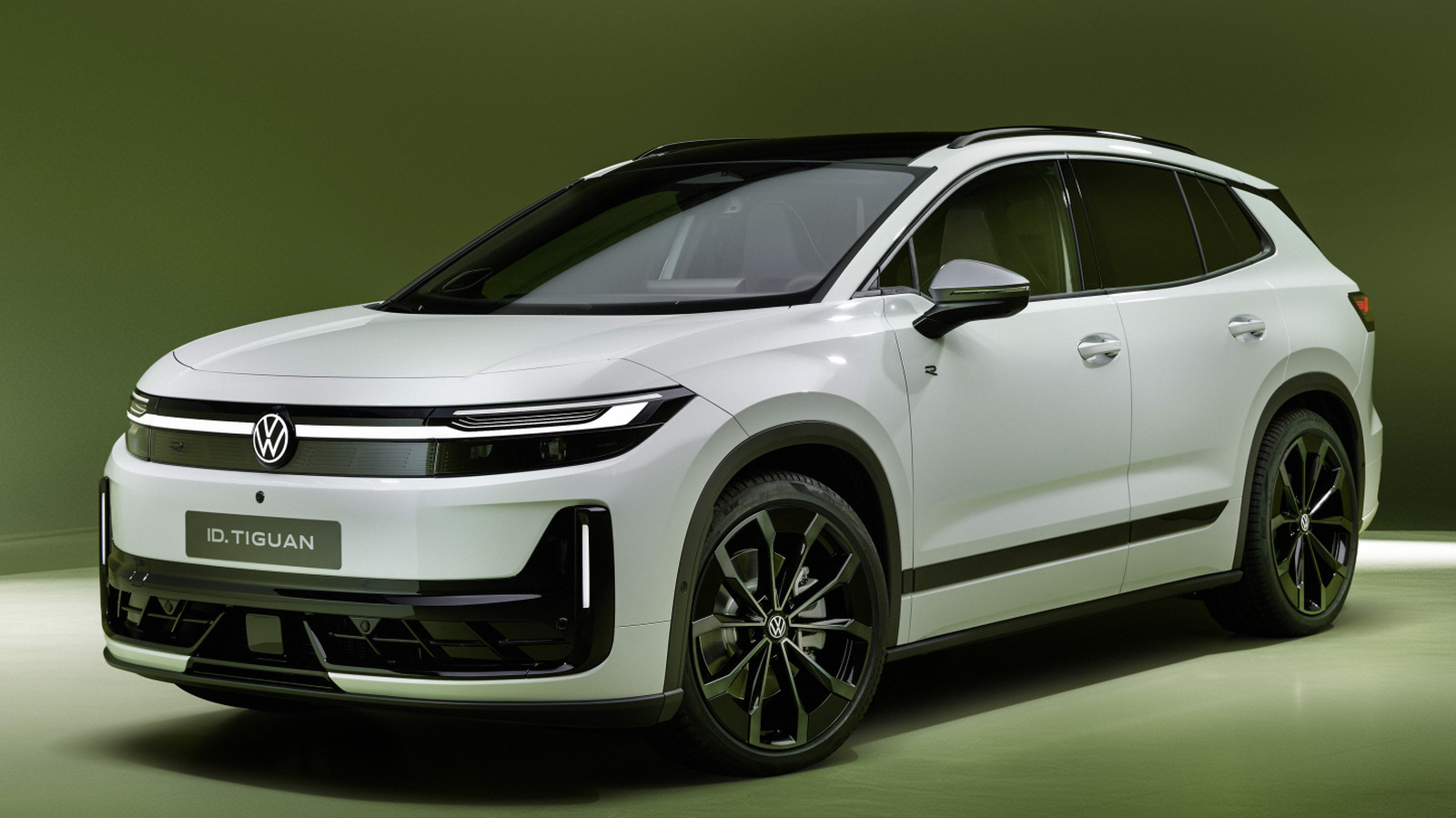
Volkswagen electric model साठी Tiguan हे नाव वापरत आहे, ज्यामुळे ते कंपनीच्या परिचित SUV badges पैकी एका नावाशी जोडले जाते. ID 4 च्या अधिक anonymous model naming ऐवजी हे vehicle अनेक buyers आधीपासून ओळखत असलेला label वापरते.
Exterior मध्ये Volkswagen ची नवीन design language आहे, जी ID Polo मध्ये आधीच दिसली आहे. हा visual change ID 4 पेक्षा अधिक elevated आणि user-friendly असलेल्या interior सोबत कंपनी जोडते.
European market साठी ID Tiguan तीन powertrain configurations मध्ये दिली जाईल. Entry model मध्ये rear-wheel drive आणि 58-kilowatt-hour battery आहे. Longer-range rear-wheel-drive version 77-kilowatt-hour battery वापरते, तर range-topping dual-motor version मध्येही 77-kilowatt-hour pack आहे.
European WLTP test cycle अंतर्गत maximum range सुमारे 372 miles असेल, असा Volkswagen चा अंदाज आहे. हा आकडा Europe मध्ये वापरल्या जाणाऱ्या cycle वर आधारित आहे आणि direct US range rating मानला जाऊ नये. मोठ्या battery असलेले models 4,409 pounds पर्यंत tow करू शकतील, असेही कंपनी म्हणते.
आधी European launch, नंतर US arrival
ID Tiguan पुढील वर्षाच्या सुरुवातीला Europe मध्ये विक्रीसाठी येणार आहे. Volkswagen तेथे Trend, Life, Style आणि R-Line trim levels देण्याची योजना आखत आहे; ID 4 मध्ये नसलेला R-Line option देखील असेल.
United States ला ID Tiguan 2027 मध्ये मिळण्याची अपेक्षा आहे. American market साठी European vehicle ही precise specification sheet म्हणून Volkswagen ने सादर केलेली नाही; त्यामुळे SUV येईपर्यंत equipment आणि powertrain details बदलू शकतात. तरीही early look Volkswagen कोणत्या दिशेने जात आहे हे स्पष्ट करते.
Established automakers electric models ना isolated experiments ऐवजी परिचित vehicles चे fully developed successors बनवण्याचा प्रयत्न करत असताना ही दिशा विशेष महत्त्वाची आहे. Tiguan badge continuity देते, तर controls आणि cabin layout दररोजच्या ownership वर परिणाम करणाऱ्या practical elements ला संबोधित करतात.
Volkswagen च्या भूतकाळाची झलक
नवीन SUV मध्ये 10-inch Digital Cockpit driver display साठी available retro presentation देखील आहे. हे fourth-generation Volkswagen Golf मधील blue-glowing gauges चे rendering असून त्या car च्या red-pixel LCD trip-computer display चे representation देखील दाखवते.
नवीन battery किंवा powertrain च्या तुलनेत हे छोटे feature आहे, पण ID Tiguan मागील broader strategy अधोरेखित करते. Volkswagen digital displays नाकारत नाही. त्याऐवजी digital instrumentation ला familiar touchpoints आणि recognizable design references सोबत जोडते.
अनेक electric-vehicle interiors large screens आणि minimal physical switchgear भोवती एकसारखी झालेल्या market मध्ये ही मिश्र रचना model वेगळा ठरवू शकते. ID Tiguan modern digital features देते, पण routine tasks साठी dedicated controls देखील देते; त्यामुळे drivers ना प्रत्येक interaction touchscreen मधून करावा लागत नाही.
Redesign काय संकेत देतो
Volkswagen चे निर्णय touchscreens वरील wider industry debate संपवत नाहीत. Navigation, cameras, vehicle settings आणि entertainment साठी large displays अजूनही central आहेत. मात्र software मुळे फायदा होणारी functions आणि drivers ना त्वरित access हवी असलेली functions यांच्यात manufacturers अधिक स्पष्ट रेषा आखू शकतात, असे ID Tiguan सूचित करते.
Volkswagen साठी redesign mainstream electric SUV अधिक लक्षात राहण्यासारखी बनवण्याची संधी आहे. Original ID 4 ने foothold निर्माण केला; ID Tiguan better-known branding, revised styling, updated powertrain choices आणि अधिक conventional human-machine interface एकत्र करण्याचा प्रयत्न करते.
Vehicle आधी Europe मध्ये आणि नंतर United States मध्ये buyers पर्यंत पोहोचल्यावर खरी परीक्षा होईल. सध्या सर्वात consequential feature कदाचित सर्वात कमी futuristic दिसणारे आहे: लोक सर्वाधिक वापरत असलेल्या controls साठी buttons, toggles आणि knobs वरील renewed commitment.
This article is based on reporting by Jalopnik. Read the original article.

Originally published on jalopnik.com