A New Front in the Auto Trade War
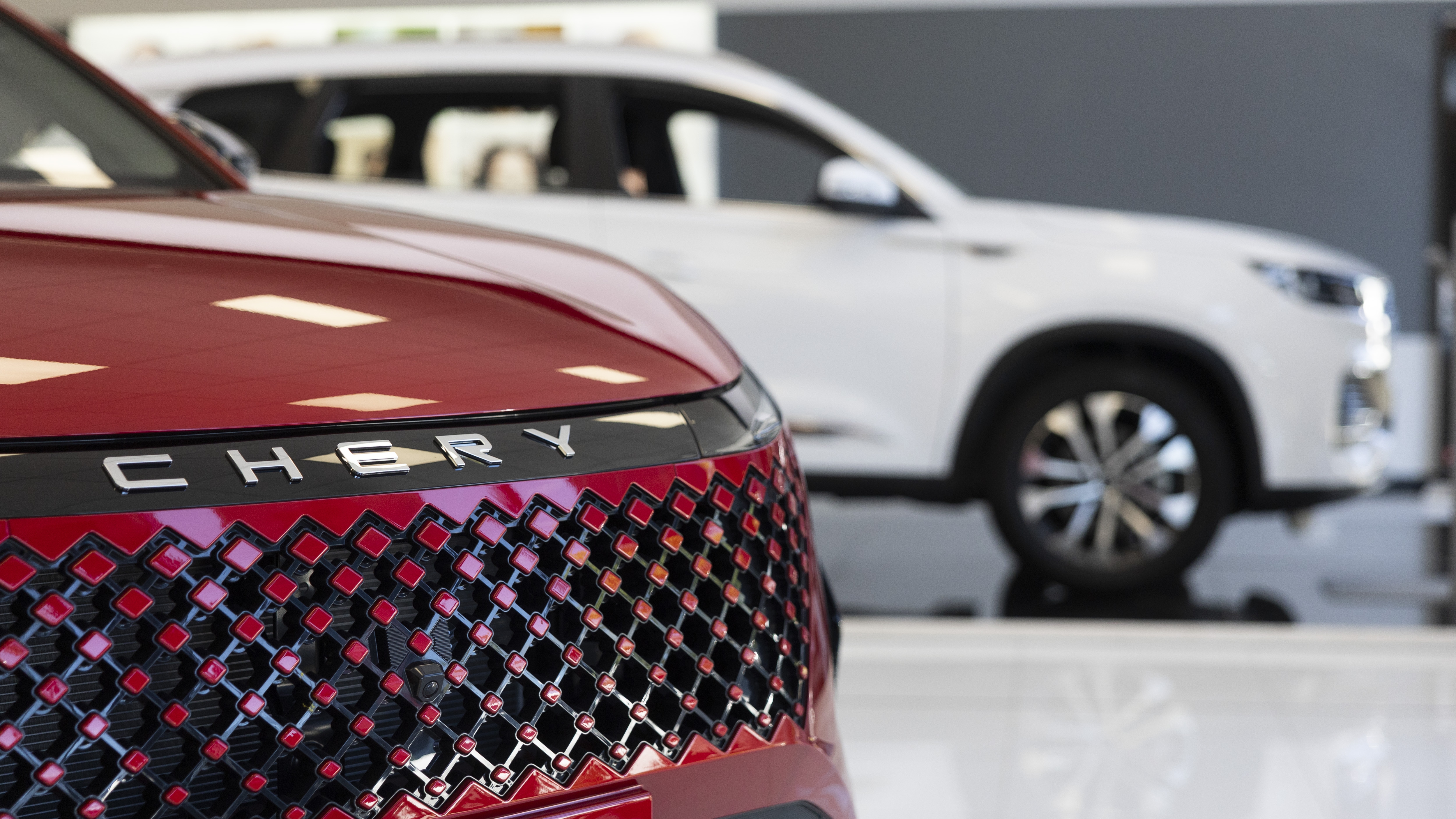
The United States' imposition of sweeping tariffs on Chinese-made vehicles — rates that have climbed to levels that effectively price Chinese EVs out of the American market entirely — was intended to protect domestic automakers from low-cost competition. But it has had an unintended effect: it has sent Chinese automakers looking for alternative entry points into North America, and Canada, with its different tariff structure and status as a major automotive market in its own right, is emerging as a target. Chery Automobile, one of China's largest privately owned automakers and a brand that has achieved significant success in developing markets across Asia, South America, and the Middle East, is reportedly in early discussions with Canadian distributors and regulators about a market entry that could see its vehicles on sale within the next two to three years.
The move, if executed, would represent a significant test of how effectively Chinese automakers can establish themselves in a Western consumer market. Earlier attempts by Chinese brands to enter Western Europe and North America have met with mixed results — a combination of consumer skepticism about quality and reliability, regulatory hurdles around safety certification, and the brand recognition disadvantage of competing against established manufacturers with decades of marketing investment. But the automotive landscape of 2026 is different from the landscape that greeted early Chinese export attempts: the quality gap between Chinese and Western vehicles has narrowed substantially, and Chinese automakers have demonstrated in markets like Australia and New Zealand that they can compete effectively when given the opportunity.
Who Is Chery?
Chery is less well known in North America than some of its Chinese competitors, but it is one of the most significant automakers in the world outside of Western markets. Founded in 1997 in Wuhu, Anhui province, Chery was among the first Chinese automakers to develop its own engine technology rather than relying on joint ventures with foreign manufacturers. The company has exported vehicles to more than 80 countries and in recent years has accelerated its international push under the Omoda and Jaecoo sub-brands, which are positioned specifically for international markets with designs and feature sets calibrated for Western consumer preferences.
The Omoda 5 and Omoda C5 crossovers have received surprisingly positive reviews in markets where they are available, with journalists noting build quality, feature content, and driving dynamics that compare favorably with rivals at significantly higher price points. In Australia, where Chery and its sub-brands entered the market in recent years, the brand has rapidly built a customer base on the strength of value-for-money positioning. Canada, with its similar consumer culture and automotive preferences to Australia, represents a natural template for potential success.
The Tariff Landscape
Canada has implemented its own tariffs on Chinese-made electric vehicles, following the lead of both the United States and the European Union, but at rates that are meaningfully lower than the American tariffs for non-EV models. For internal combustion and hybrid vehicles — where Chery has a broader product portfolio than in full EVs — the tariff situation is more manageable, potentially allowing the company to price its vehicles competitively even with the additional import cost.
There is also the question of Canadian production. Under the Canada-United States-Mexico Agreement, vehicles produced in Canada receive preferential treatment in the American market, creating a potential pathway for a Chinese automaker to eventually establish Canadian manufacturing as a route to US distribution. This scenario is still speculative and would require substantial investment and regulatory navigation, but it is not outside the bounds of longer-term strategic planning for a company of Chery's resources.
Honda Maintains Its Course
While Chery explores market entry, Honda has signaled that it is maintaining its existing North American strategy despite trade war pressures. The Japanese automaker, which produces a significant portion of the vehicles it sells in North America at plants in Ohio, Indiana, and Alabama, is less exposed to tariff volatility than importers and has confirmed plans to continue investing in its North American production footprint. Honda's Canadian operations, centered on its Alliston, Ontario plant, produce the CR-V for North American distribution and represent a significant economic presence in the Canadian automotive sector.
The contrast between Honda's stability and Chery's exploratory posture illustrates the two-speed nature of the current automotive market: established players with deep North American manufacturing roots are weathering the trade turbulence from a position of relative strength, while new entrants are navigating a more complex path to market access. Whether Chery can convert its exploratory discussions into an actual Canadian market presence — and whether that presence can eventually serve as a bridgehead for broader North American ambitions — will be one of the more consequential automotive stories to watch over the next several years.
This article is based on reporting by Automotive News. Read the original article.
Originally published on autonews.com