US and South Korea cut back a major annual military exercise
The United States and South Korea have shortened and narrowed this year’s Ulchi Freedom Shield exercise after President Donald Trump ordered a substantial reduction in US participation. According to statements cited in the source material, the allies reduced the exercise to five days from an originally planned 11 and scaled back parts of the associated field training.
The exercise began on August 17, 2026. South Korea’s Joint Chiefs of Staff and a Pentagon official said it will now end on August 21 instead of August 27. South Korean Defence Minister Ahn Gyu-back also said the allies were moving to cancel the second phase of the drill, which media reports had expected to focus on counterattack operations following an initial defensive phase.
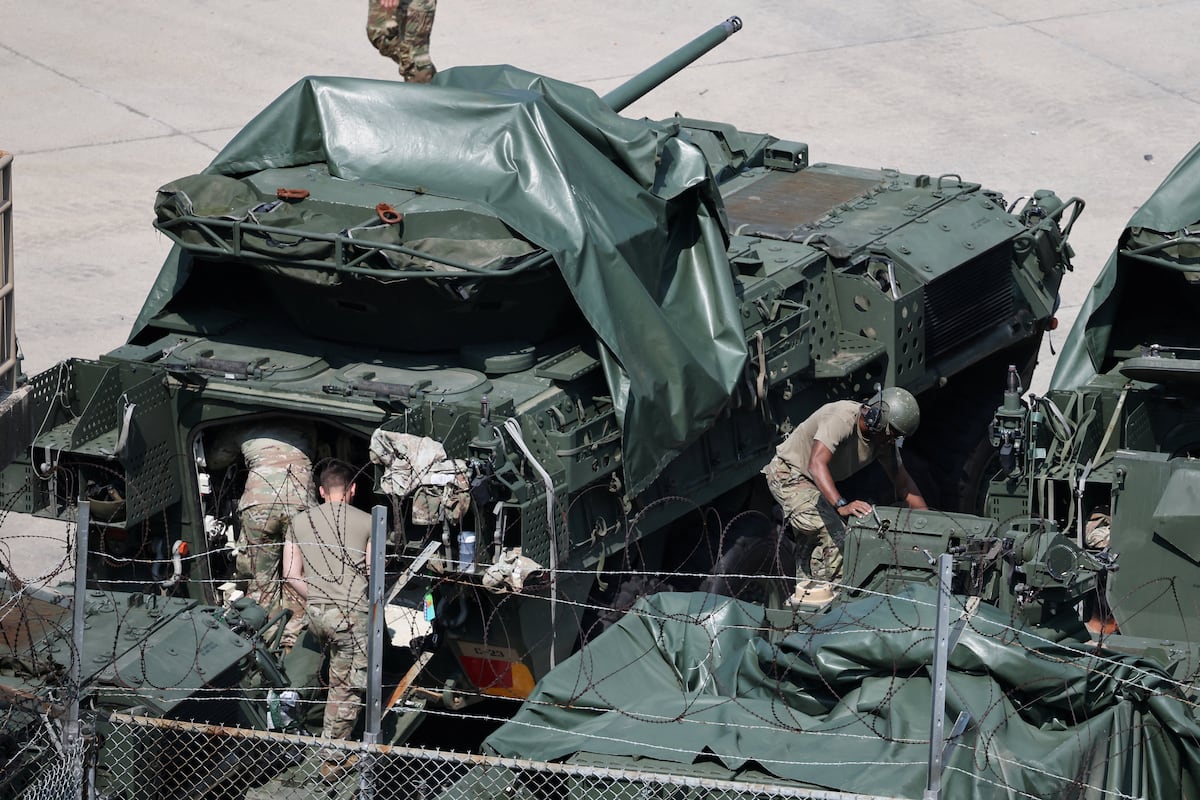
That makes the change more than a minor scheduling adjustment. The revision affects both the duration of the exercise and the kind of activity being carried out. A Department of Defense official said the department had substantially reduced the exercise and related live-training events, with some events either cancelled outright or shifted to simulations.
What changed in the exercise
The source material describes a broad reduction rather than a single isolated cut. At the suggestion of the United States, Washington and Seoul agreed to make partial adjustments to the drill’s duration and scope. Some combined field manoeuvre training will also be scaled back, though details were still under discussion at the time of publication.
The Pentagon’s description is notable because it frames the move as a reduction in live activity without, in its account, undermining the core purpose of the exercise. The US official said the changes would preserve essential readiness and training aims and would not degrade US training objectives. That suggests the administration is trying to balance a visible political signal with a claim of continued military preparedness.
Even so, shortening a flagship annual exercise from 11 days to five is a significant operational and diplomatic step. Ulchi Freedom Shield is one of the most visible recurring demonstrations of alliance coordination on the Korean Peninsula. Changes to its scale are therefore watched not only for their immediate training consequences, but also for what they may imply about alliance posture and Washington’s broader regional priorities.

The political trigger came from Washington
The immediate catalyst was Trump’s order on Sunday to substantially reduce the US role in the drills. The source says he cited his “very good relationship” with North Korean leader Kim Jong Un. On Monday, Trump added that Kim had responded to his steps, though he did not provide details.
That sequence matters because it places the exercise cuts inside a larger political effort rather than a purely military review. The order came from the White House, not from a public reassessment of training needs by commanders. The explanation attached to it was also diplomatic and personal in tone, centering on Trump’s relationship with Kim.
One analyst quoted in the source argued that Trump may be trying to achieve several goals at once: pressure Seoul over the pace of promised US investments under a trade deal, shift attention away from US challenges in Iran, and reopen diplomacy with Pyongyang. Whether or not those aims are ultimately realized, the comment captures why the decision is likely to be read as part of a broader geopolitical maneuver rather than a standalone military adjustment.
North Korea rejected the idea that the change eases tensions
North Korea did not treat the reduction as a meaningful de-escalation. Kim Yo Jong, the sister of North Korean leader Kim Jong Un, said the nature of the drills remained provocative and aggressive even if their scale and duration had been reduced, according to a statement published by state media KCNA.
Her response highlights a recurring dynamic on the peninsula: cuts to exercises can be politically symbolic, but they do not necessarily change how Pyongyang characterizes allied military activity. In this case, the message from North Korea was that a shorter drill is still a hostile drill. That weakens any expectation that the move alone would produce a near-term thaw.
At the same time, Kim Yo Jong said she was unaware of recent communication between the two sides but added that Kim Jong Un held fond personal memories and feelings toward Trump. KCNA also quoted her as saying that the relationship between the two leaders remains excellent. Those remarks keep the door open to personal diplomacy even as North Korea continues to denounce the exercises themselves.
Why the timing stands out
The change also comes during a diplomatically sensitive moment. The source notes that Chinese Foreign Minister Wang Yi was visiting South Korea on Wednesday and Thursday for regional security talks expected to include developments on the Korean Peninsula. That means the drill reduction landed just as regional actors were already engaged in discussions about security conditions.
Timing does not by itself explain motive, but it increases the likelihood that the move will be scrutinized as part of a wider strategic picture involving Washington, Seoul, Pyongyang, and Beijing. Exercises on the peninsula are never only about training calendars. They are signals, and their scale, duration, and composition all carry political meaning.
What this signals for the alliance
For now, the allied message is that readiness can be preserved even with a shorter and more simulation-heavy format. That is the official position coming from the Pentagon side of the announcement. But the decision still introduces a question that will matter beyond this year’s exercise: how much visible military activity the alliance is prepared to trade for diplomatic flexibility.
The answer is not settled in the source material. What is clear is that the allies have moved quickly from a standard full-length exercise plan to a compressed version shaped by a direct presidential order. That alone makes this more than a routine military scheduling update.
It is a concrete sign that Korean Peninsula policy can still be altered rapidly by top-level political calculations in Washington. Whether that produces renewed diplomacy, sharper alliance debates, or simply another short-lived tactical adjustment will depend on what follows after this week’s five-day drill concludes on August 21, 2026.
This article is based on reporting by Defense News. Read the original article.

Originally published on defensenews.com