The stealth jet that never fully left service still needs its unusual hardware maintained
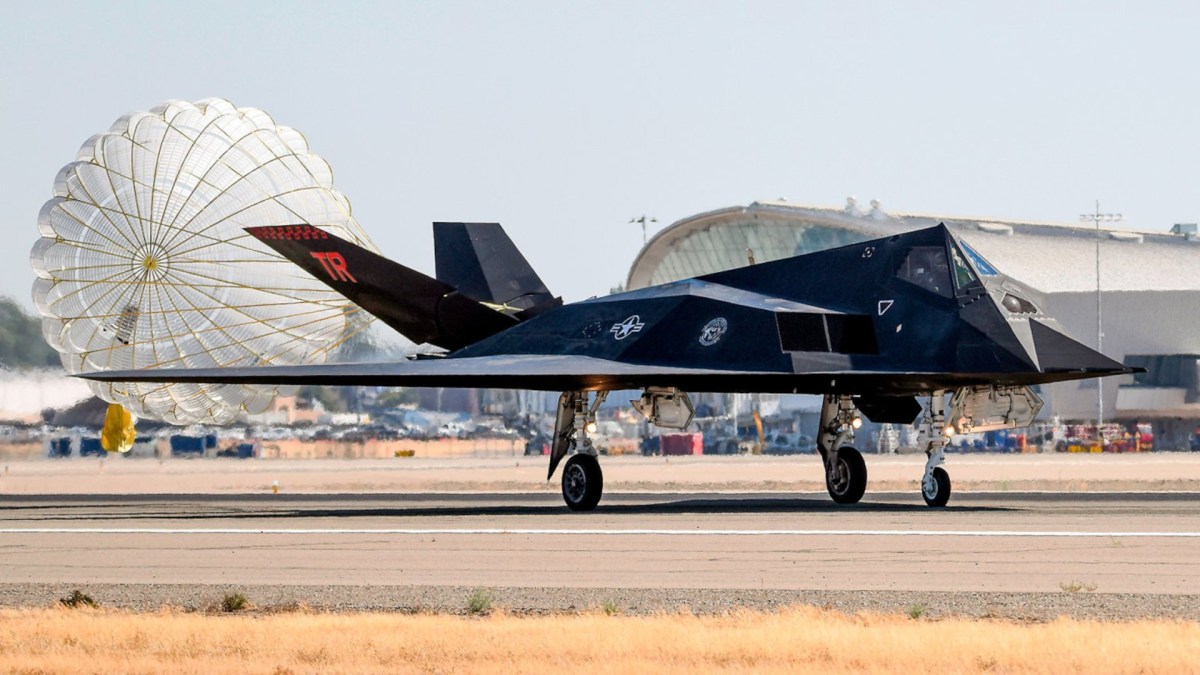
The F-117 Nighthawk has been officially retired since 2008, but the aircraft has never entirely disappeared from the U.S. Air Force’s inventory in practice. A small group of the stealth jets continues to fly from Tonopah Test Range Airport in Nevada, supporting research and development, test and evaluation work, and training. The Air Force has said those operations are expected to continue through at least 2034. That reality has always implied a hidden maintenance burden. A newly detailed contracting notice offers a rare look at what that burden includes.
The immediate trigger is not a glamorous upgrade or a new mission system. It is a requirement for fresh cartridge-actuated devices and propellant-actuated devices, commonly grouped as CAD/PAD. These are explosive or pyrotechnic components used in a range of aircraft emergency systems. They have shelf lives, which means they cannot simply be stored indefinitely and trusted to work when needed. They must be replaced on schedule for both safety and reliability.
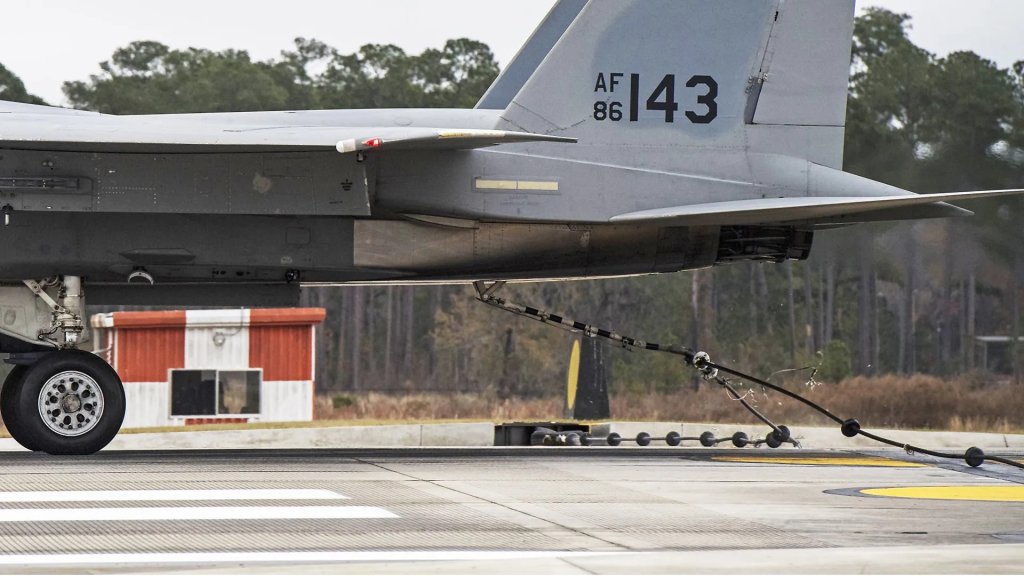
In most modern military aircraft, CAD/PAD components are most closely associated with emergency egress, especially ejection-seat systems. The F-117 order appears to include those familiar functions, including devices used to clear the canopy so a pilot can eject. But the contracting details also point to something more obscure: explosive components associated with the aircraft’s emergency tailhook.
A reminder that the F-117 was built with more than stealth in mind
The F-117 is remembered primarily as the angular aircraft that made low-observable design famous in combat. Its public reputation rests on stealth, secrecy, and its role in precision strike. The contracting notice highlights a different side of the platform: the practical and sometimes unusual systems required to keep a land-based combat jet survivable in emergencies.
Like many land-based combat aircraft, the F-117 has a tailhook intended for emergency use rather than carrier operations. In an aborted takeoff or landing emergency, such a hook can catch arresting gear and help stop the aircraft before it overruns the runway. What makes the latest notice interesting is the indication that the F-117’s tailhook system involves pyrotechnic elements described as a tailhook panel pyrotechnic assembly and a tailhook panel initiator. These are described in the source material as small shaped explosive charges and electrically initiated detonators.
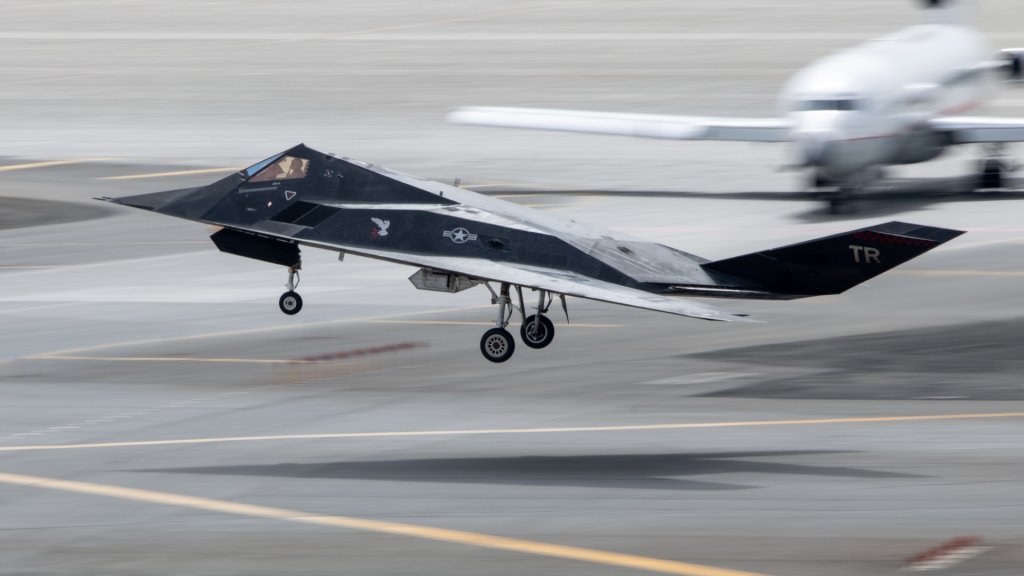
That detail matters because it reveals how specialized the logistics chain for the Nighthawk has become. Maintaining a tiny fleet of an aircraft type retired nearly two decades ago already requires bespoke sourcing, documentation, and technical knowledge. Maintaining explosive devices connected to a comparatively obscure subsystem adds another layer of complexity.

Why shelf life drives real sustainment costs
Pyrotechnic devices are not optional once they are part of a safety-critical system. Even if an aircraft flies only occasionally, those components continue aging. Shelf life creates a maintenance clock that runs whether or not the airframe is seeing heavy use. For the F-117 fleet, that means the Air Force must preserve not only the airworthiness of the jets themselves but also access to fresh, certifiable emergency-system components for hardware that is no longer in mainstream production.
That issue is easy to overlook when “retired” aircraft remain active in niche roles. The public tends to focus on visible operations such as test flights, aggressor-style training support, or appearances at exercises. Less visible are the contracting and sustainment actions that make even limited flying possible. The latest notice is revealing because it exposes the mundane but unavoidable side of keeping an aging specialty fleet viable: munitions-like maintenance items, replacement cycles, and the challenge of supporting one-off systems.
It also helps explain why operating even a handful of legacy aircraft can become disproportionately demanding. A large active fleet spreads support costs and preserves supplier relationships. A tiny fleet does the opposite. Each unusual component can become a small program of its own.
The Nighthawk’s second life is longer than many expected
The Air Force’s decision to keep flying the F-117 years after retirement has long fueled speculation about its exact utility. The service has said the aircraft supports research and development, test and evaluation, and especially training. That is consistent with the Nighthawk’s value as a unique low-observable platform. Even without front-line combat status, it can still provide a real asset for exercising tactics, evaluating sensors, and exposing crews to operationally relevant stealth characteristics.
What the new contract detail shows is that this second life is not an informal arrangement or a minimal caretaker effort. It is sustained through deliberate logistics planning. If the Air Force expects F-117 operations to continue through at least 2034, then every safety-critical subsystem has to remain supportable to that date as well, including hardware the broader aviation world may barely remember.
The canopy-clearing charges mentioned in the source text are one example. The tailhook-related explosive assemblies are another. Neither changes the aircraft’s mission value directly, but both are prerequisites for continued legal and safe flight operations.

What this says about legacy aircraft management
There is a broader lesson in the Nighthawk’s ongoing support story. Retiring an aircraft from official service does not necessarily end the most difficult part of ownership. In some cases, it begins a new sustainment phase defined by shrinking fleets, aging stocks, disappearing vendors, and highly specific engineering knowledge. The F-117 is an extreme example because of its secrecy, low production numbers, and unusual design history, but the principle applies widely across defense aviation.
For policymakers and analysts, the contracting notice is a reminder that force structure decisions carry long tails. Once an aircraft remains useful in specialized roles, the support enterprise must continue in parallel. That can mean paying for items that sound minor in isolation yet are indispensable in aggregate.
For aviation watchers, the notice offers something more concrete: evidence that the Nighthawk remains a living aircraft program, not merely a relic occasionally spotted in the desert sky. If the Air Force is still replacing life-limited pyrotechnic devices for canopy egress and tailhook deployment, the fleet is active enough that those systems must be trusted to function on demand.
The F-117’s afterlife has often been discussed in terms of mystery and mission relevance. This episode frames it differently. The real story is sustainment discipline. A stealth icon can remain useful long after retirement, but only if the unglamorous details stay funded, sourced, and certified. In the Nighthawk’s case, that now includes fresh explosives for a tailhook most people probably forgot it had.
This article is based on reporting by twz.com. Read the original article.
Originally published on twz.com