The U.S. Navy is moving toward a carrier air wing that includes uncrewed collaborative combat aircraft, or CCAs, and senior Navy leadership says that effort need not wait for the service’s future F/A-XX fighter.
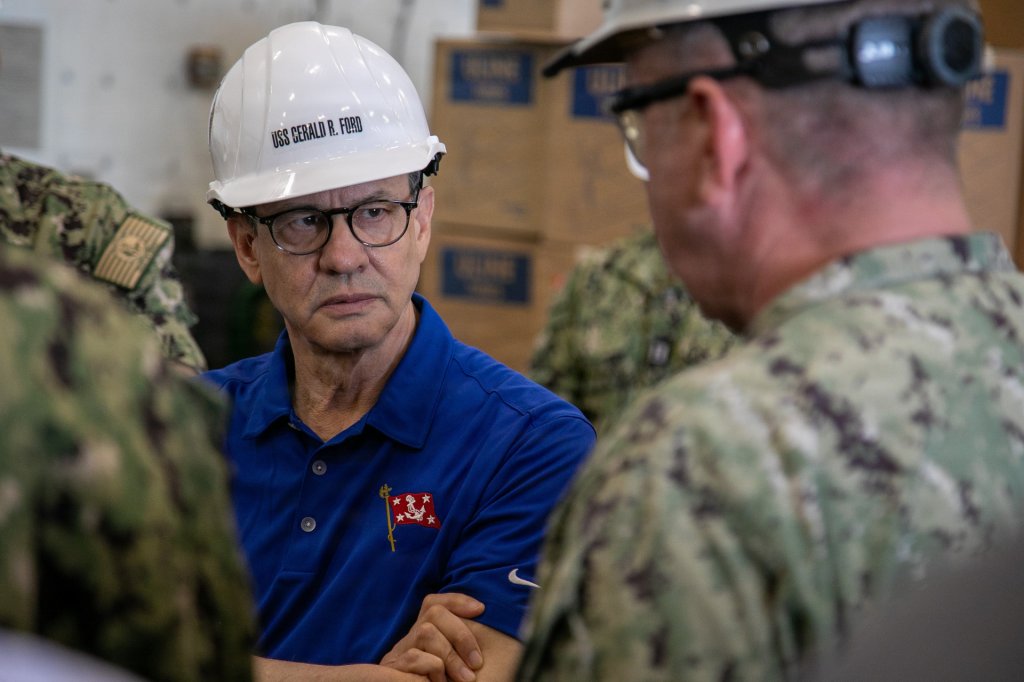
William Toti, who is performing the duties of Under Secretary of the Navy and is awaiting confirmation for the role, described CCAs as an important part of the future combat capability of aircraft carriers during a Senate Armed Services Committee hearing. He said the Navy could begin fielding the uncrewed aircraft alongside F-35C Joint Strike Fighters rather than holding the concept until F/A-XX enters service.
A path to carrier-based collaborative aircraft
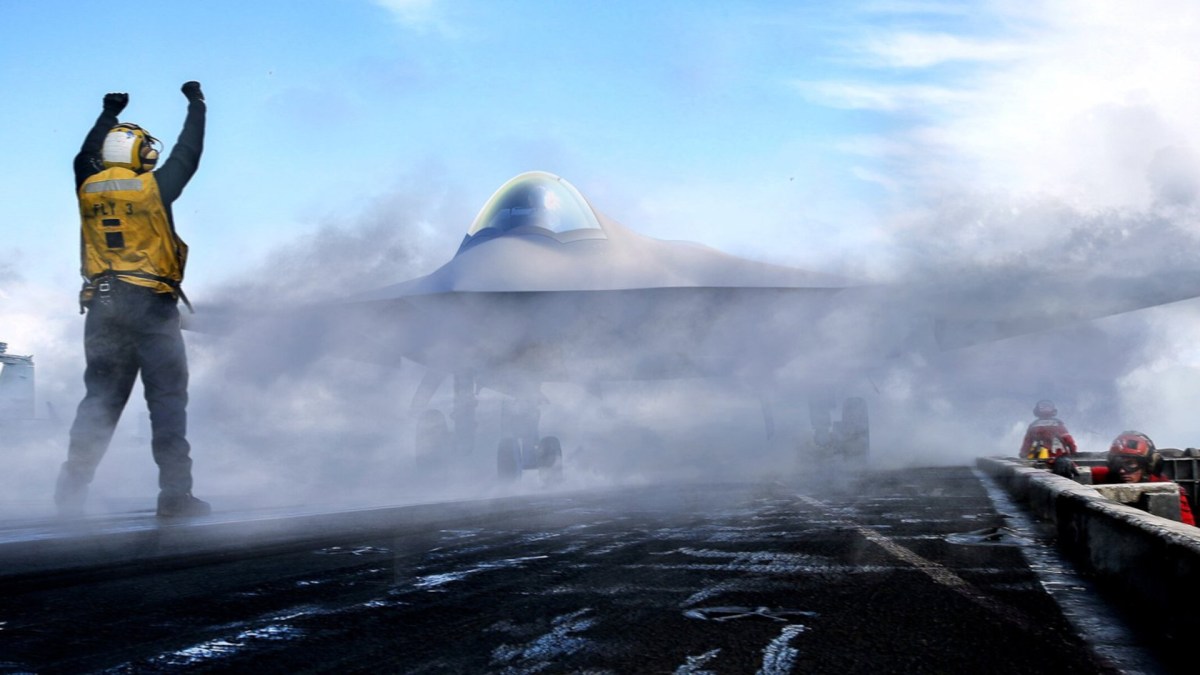
The emerging CCA concept centers on uncrewed aircraft that operate in concert with crewed fighters. In the Navy’s case, the goal is to integrate those systems into the carrier air wing, where they could expand the number and types of aircraft available to a carrier commander.
Toti said the Navy views the integration of CCAs into the air wing as critically important. He also described the aircraft as low-cost, attritable assets—systems intended to add capacity and accept greater risk than a crewed combat aircraft in some missions.
The Air Force has been leading work on the broader CCA concept, Toti said, while the Navy has been following closely. The Navy’s requirements are distinct, however, because its aircraft must fit within the operating environment of a carrier air wing and the demands of naval aviation.
That includes the practical challenge of operating from a carrier as well as the broader issue of how uncrewed aircraft would be controlled, tasked and integrated with crewed fighters during operations. Toti’s comments point to the F-35C as a potential early platform for that integration.
F-35C could arrive before F/A-XX
The Navy has long envisioned its next-generation F/A-XX carrier fighter as a possible airborne controller for advanced uncrewed aircraft. The future fighter is expected to be part of the service’s next-generation carrier aviation plans, but Toti’s testimony suggests the Navy does not see its arrival as a prerequisite for beginning CCA work.
Using the F-35C first would allow the service to pursue the operational and technical foundations of crewed-uncrewed teaming with an aircraft already central to the future carrier air wing. The approach could also help the Navy begin learning how to organize, employ and sustain CCAs before a next-generation fighter is available.
That does not mean the Navy has announced an operational CCA fleet or a final employment model. Toti characterized existing efforts as nascent. But the direction is significant: the Navy is framing the capability as part of the carrier force’s future rather than as a program tied solely to one aircraft.
Industry concepts are already under study
In September 2025, the Navy selected Anduril, Boeing, General Atomics and Northrop Grumman to develop conceptual designs for future carrier-based CCAs. Lockheed Martin has also been working on the underlying control architecture, according to reporting on Toti’s testimony.
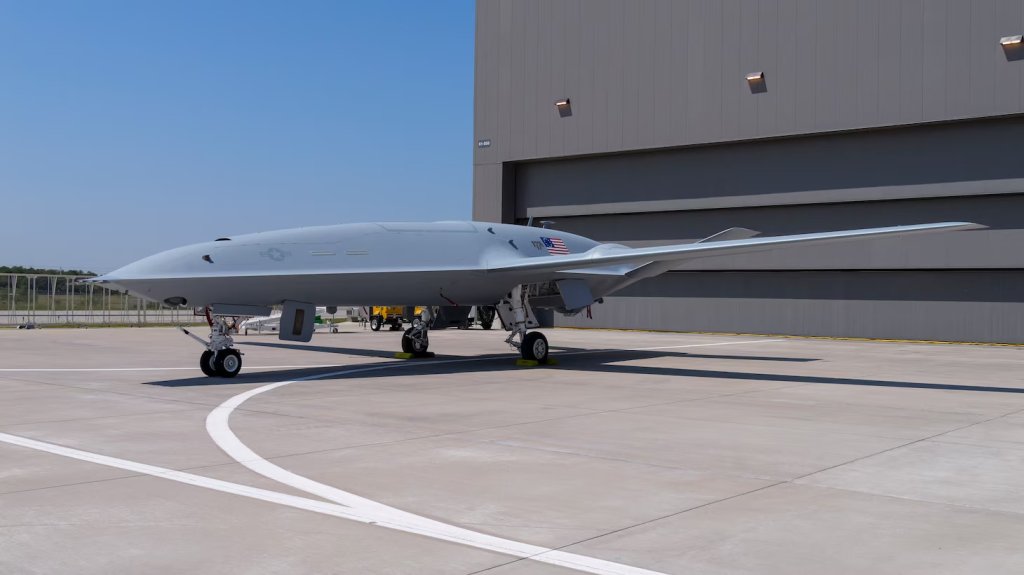
The mix of companies underscores that the effort is still exploring designs and enabling systems rather than converging on a single production aircraft. Carrier-based operations will shape those choices. A naval CCA must be compatible with a carrier air wing and must be supported by the control architecture that connects uncrewed aircraft with the crewed platforms and commanders directing them.
Toti also pointed to an organizational change inside the Navy. He said unmanned-capability portfolios had been realigned to the Under Secretary’s office while he was performing the duties of the position. In his view, that shift should provide greater visibility into the issues involved as the capability develops.
Why the decision matters
A carrier air wing has a finite number of crewed aircraft, people and support resources. The appeal of an attritable uncrewed aircraft is the potential to add capacity without making every mission depend on another highly complex crewed fighter. A CCA could be designed to support crewed aircraft, extend the air wing’s reach or take on missions that would otherwise consume scarce crewed assets.
For now, the Navy has not laid out a detailed fielding schedule, fleet structure or mission-by-mission plan in the information provided. The immediate development is the policy and acquisition signal: the service intends to build the capability, considers it important to future carrier combat power, and is examining a route that begins with F-35Cs instead of waiting for F/A-XX.
That could make the Navy’s CCA effort an incremental transformation rather than a single leap tied to a future fighter program. The questions ahead will be how quickly conceptual work becomes a demonstrable carrier capability, which designs prove practical, and how the Navy translates its early plans into an operational air wing.
This article is based on reporting by twz.com. Read the original article.
Originally published on twz.com